
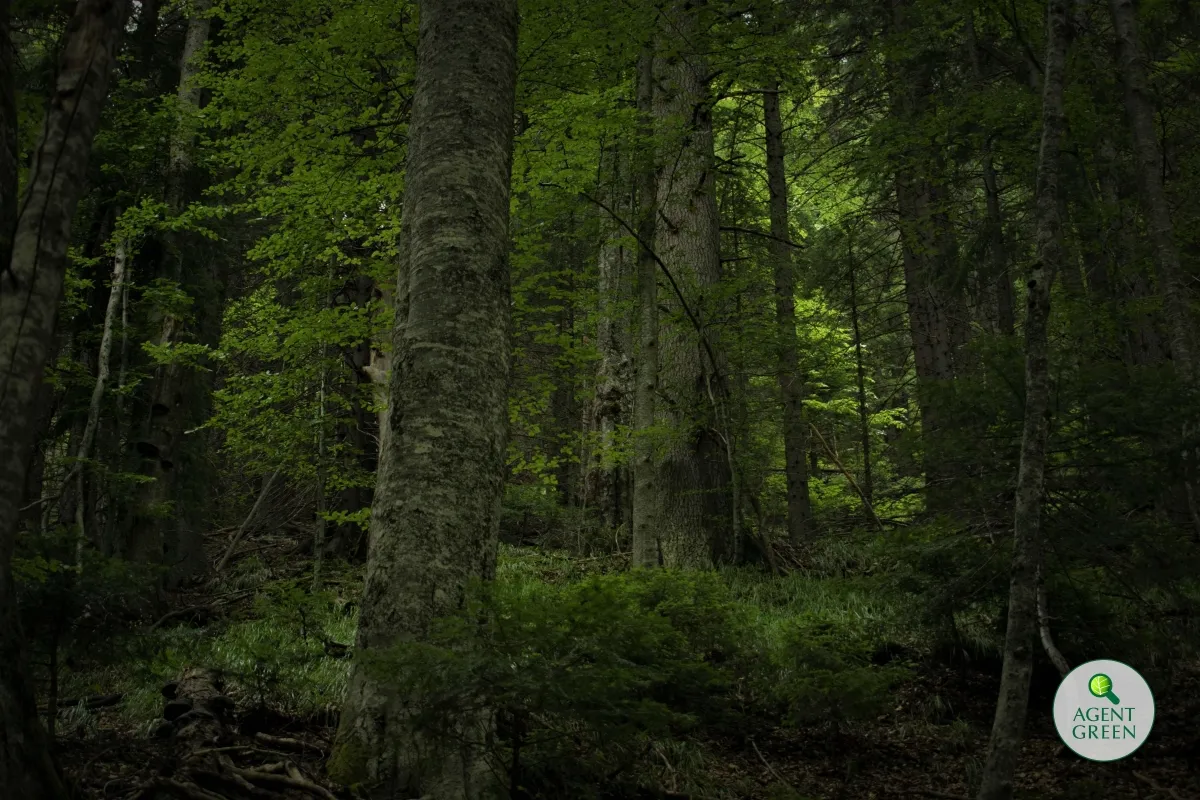
Nature ignored in the European recovery and resilience plan
Romania among the most ambitious European countries
Bucharest, Brussels – 18.03.2021
EU Member States plan to spend too little on protecting nature from the €672 billion provided by the European Commission through the Recovery and Resilience Facility (RRF), a European coalition of environmental NGOs alleges as environment ministers from across the EU meet on Thursday 18 March 2021. The NGO coalition sent ministers the following letter:
Joint letter on EU recovery funds (PDF in English)
Unlike other countries, however, Romania, through President Klaus Iohannis, presented a more generous plan for nature on 17 March. Of approximately €31 billion, around 37% is intended to combat climate change and protect biodiversity. During the debates preceding the President’s announcement yesterday, Agent Green had criticised the first version of Romania’s plan because it addressed the effects rather than the causes of climate change and biodiversity loss. Moreover, the transition to green energy production and consumption was not abrupt. Yesterday’s version includes significant improvements. Although it still insists on wasting vast sums on irrigation, drainage and anti-hail systems (€6.2 billion) in areas already undergoing desertification, the improved version of the PNRR (National Resilience and Recovery Plan) has nevertheless made significant strides.
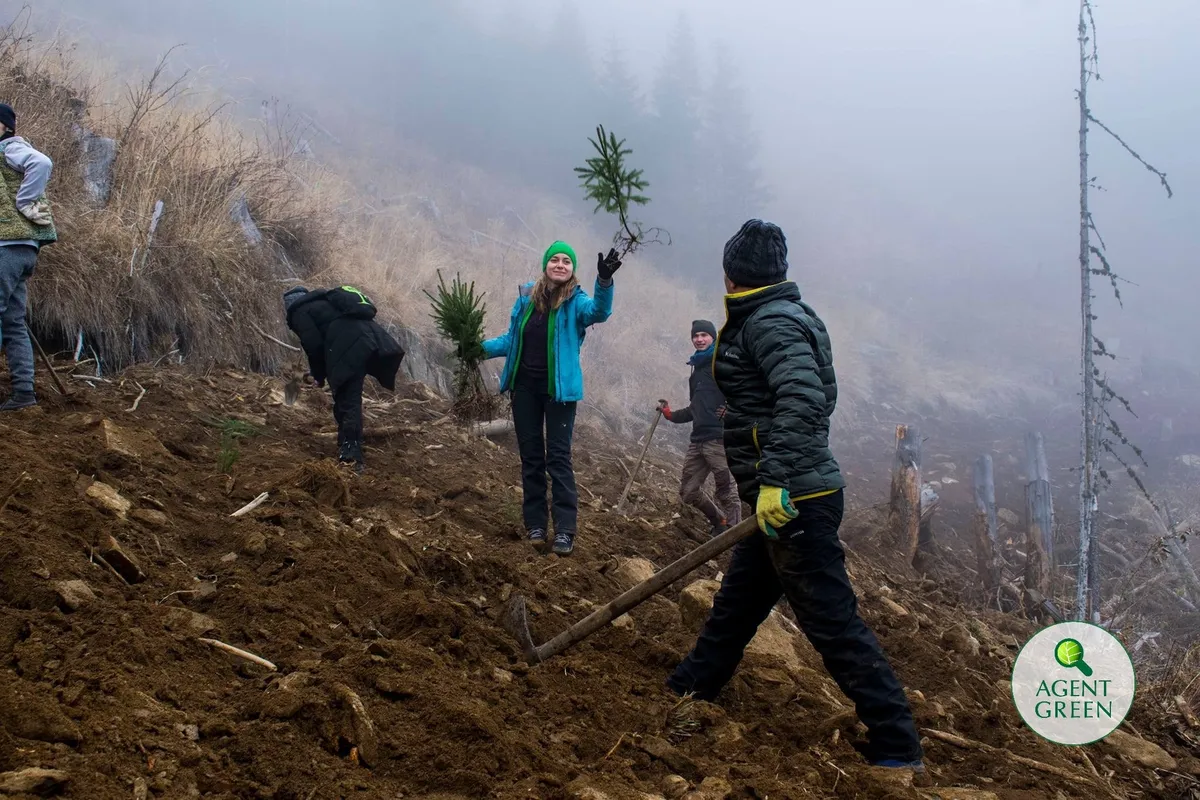
The organisation welcomes, for example, the increase in the budget initially allocated to expanding the country’s forested area from 0.36 billion euros (which also included 200 hunting lodges) to 1.5 billion euros. In this regard, Agent Green warned that Romania faces a shortage of planting seedlings and proposed establishing 40 automated lines capable of producing 800 million seedlings a year at a cost of EUR 0.1 / seedling, enough to expand Romania’s forested area by 160,000 hectares each year. In the same proposal, Agent Green requested funding for forest shelterbelts, grasslands with trees and urban forests. These ideas appear in the latest PNRR version.
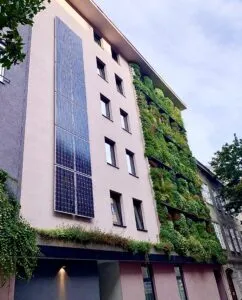
The environmentalists also welcome the increase to 1.3 billion euros in funding for diversifying sources of green energy production and consumption. Agent Green proposed covering the roofs of collective housing with solar panels for heating and hot water, and equipping private homes with heat pumps, underfloor heating and solar panels for energy production.
Agent Green particularly welcomes investment in biodiversity conservation, including projects to restore degraded ecosystems and expand strictly protected areas, especially by conserving the last primary and old-growth forests. The organisation also welcomes the substantial sums allocated to improving rail transport, the most environmentally friendly mode of transport.
On the other hand, Romania’s plan to allocate significant funds to encasing several rivers in concrete remains uncertain, in contrast with the European Biodiversity Strategy, which provides for restoring many rivers, with Romania assigned the target of returning approximately 2000 km of watercourses to nature.
At the other end of the scale, Bulgaria, for example, has allocated only 0.72% of its funds to biodiversity. Poland plans to allocate vast sums to its anti-drought plan, plans which undermine Poland’s biodiversity protection and water resources. The lack of attention to biodiversity is all the more concerning given that 81% of EU habitats are degraded, according to the European Environment Agency.
While Member States have until 30 April to finalise their plans, many have not yet held public debates or published key information about what is planned to be funded. Thursday’s Council of environment ministers is an opportunity for them to take a leading role in further developing these plans, strengthening them and making them a catalyst for the EU economy’s green transformation.
Daniel Thomson, EU policy officer for biodiversity with CEE Bankwatch Network, said: “After decades of weak investment and neglect, biodiversity and nature conservation must become a priority. Yet many Member States are missing the potential of these funds, including no measures to address nature’s health despite the huge opportunity to invest in real improvements.”
Gabriel Schwaderer, Director of EuroNatur, said: “Although National Recovery and Resilience Plans are expected to deliver environmental objectives, we wonder how the European Commission assessed them and what role the EU’s green taxonomy plays and will play here. We need a reliable tool and transparent criteria to avoid greenwashing.”
Gabriel Păun, president of Agent Green, said: “Debates were held in Romania. Many civil-society initiatives were taken into account, and in the latest PNRR version we have more ambitious plans for biodiversity and climate change. Work remains on projects in other PNRR chapters, with major projects capable of generating significant negative environmental impacts, but for now we are on the right track.”
Press contacts
Daniel Thomson
EU policy officer for biodiversity
CEE Bankwatch Network
Anja Arning
Head of Communications
EuroNatur
Gabriel Păun
President
Agent Green
office@agentgreen.org
[1] The joint letter is available here: The EU Recovery Funds: time to start properly investing in biodiversity and nature conservation – Bankwatch (PDF in English)
Related articles
The EU burns almost half its harvested wood and calls it “green energy”. 44 organisations call for an end to subsidies
Romania promised 10% strict protection. The ministry puts only 2.54% on the map