The EU burns almost half its harvested wood and calls it “green energy”. 44 organisations call for an end to subsidies
Agent Green and an international coalition of environmental organisations call for woody biomass to be removed from renewable energy categories and its real emissions to be counted. The document is being sent today to Europe’s ministers responsible for environment and nature, including Romania’s Environment Minister Diana Buzoianu.
Bucharest, 24 September 2026 – Agent Green is joining an international coalition of 44 non-governmental organisations from Europe, North America, Asia and Africa publishing today the position paper “Why the EU must stop subsidies for burning trees: a policy mistake that must be corrected”.
The document is being sent to ministers responsible for the environment and nature protection across Europe. In Romania, Agent Green is submitting it to Environment, Water and Forests Minister Diana Buzoianu, asking the Government to actively support correction of European legislation and an end to public incentives for burning wood.
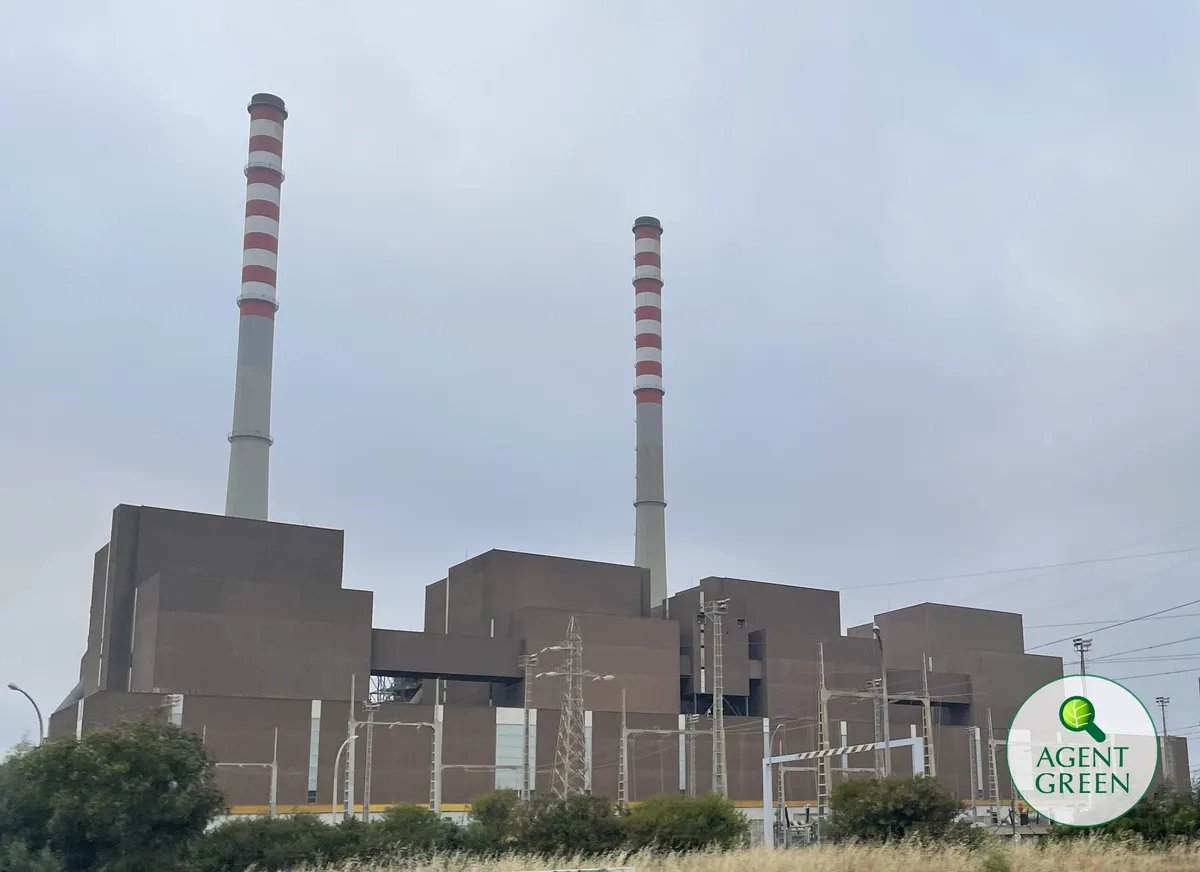
The figures describe one of European climate policy’s most costly contradictions: almost half — 47% — of all wood harvested annually in the European Union is burned to produce only around 9% of the energy consumed. For each unit of energy produced, woody biomass combustion releases more carbon dioxide at the smokestack than coal and most fossil fuels. Yet its emissions continue to be treated as zero in the EU Emissions Trading System — EU ETS.
This accounting convention does not change atmospheric physics. Carbon is released immediately through combustion, while regrowing trees and recapturing an equivalent amount of CO₂ can take decades or longer. During the critical period in which humanity must drastically reduce emissions, burning wood adds carbon to the atmosphere while simultaneously reducing forests’ capacity to absorb it.
In 2022, emissions from biomass combustion equalled 15.7% of emissions from the European Union’s entire energy sector, a volume comparable to emissions from the whole German economy that year. Meanwhile, the capacity of the European Union’s forests and land to absorb carbon has fallen by 43% compared with 2001. The European Scientific Advisory Board on Climate Change has linked this deterioration, among other factors, to increased bioenergy use.
“If you take a tree out of the forest, burn it and declare its emissions zero, you have not decarbonised energy. You have only decarbonised the accounts. The atmosphere receives the carbon, the forest loses its capacity to absorb it, and the taxpayer pays for both”, says Gabriel Păun, President of Agent Green.
Forests are turned into fuel with public money
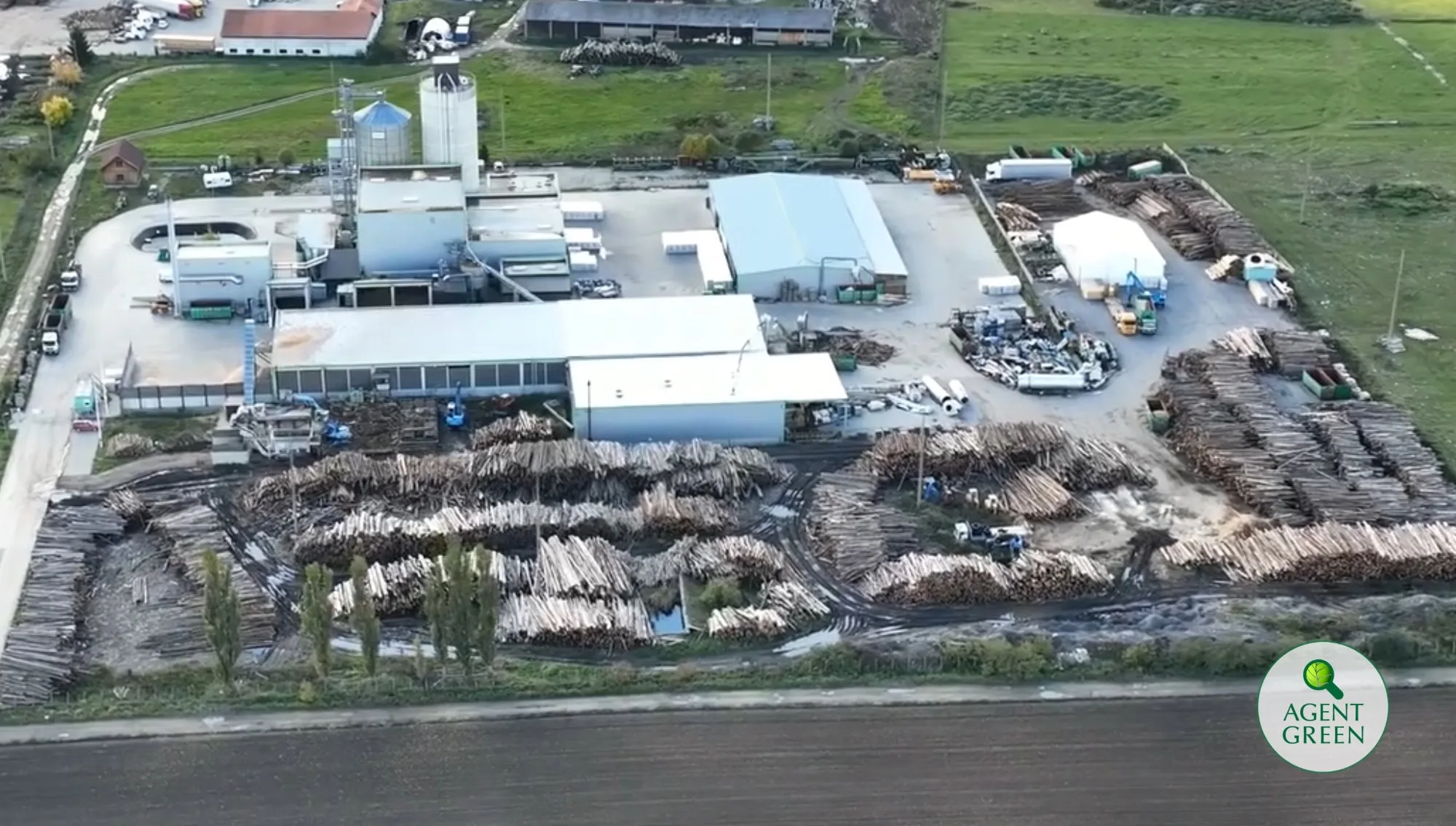
Including woody biomass in the Renewable Energy Directive — RED — has created enormous artificial demand for wood. Because almost any category of wood can be burned, subsidies have given energy value even to trees and assortments that previously had no commercial market. Trunks, wood from old forests, trees whose shapes or sizes do not meet industrial requirements and so-called “low-quality” wood can end up in power plants and pellet factories.
The consequences extend far beyond the loss of trees. Intensive logging and clearcuts reduce carbon stored in soil, disrupt the water cycle, diminish forests’ capacity to cool and purify the air, fragment habitats and accelerate biodiversity decline. Analyses of satellite imagery also indicate increased logging within Natura 2000 sites, while most habitats and species protected by this network are already in an unfavourable conservation status.
Europe pays heavily for this destruction. In 2024 alone, European Union citizens paid around €15 billion through taxes and energy bills to support bioenergy. Since 2015, public support has exceeded €180 billion, and the document warns that the true amount is higher because some countries’ reported data are incomplete. In addition, companies burning biomass deemed compliant with RED do not have to pay for EU ETS allowances for their emissions.
The direct cost of electricity produced from biomass is three to four times higher than that of some cleaner renewable alternatives. Subsidies artificially keep a weak energy model operating, while the same resources could fund building insulation, heat pumps, solar and wind power, energy storage and grid modernisation.
Subsidised demand for wood fuel also raises prices for other wood-using industries, affecting furniture, construction, paper, panel and insulation-material producers, as well as households still dependent on wood for heating. European industrial organisations, small and medium-sized businesses and even companies such as IKEA have called for an end to incentives favouring burning over reuse, recycling and the use of wood in long-lived products.
A threat to public health too
Burning wood worsens air pollution in cities, mountain regions and rural communities. Smoke contains PM10, PM2.5, PM1 and ultrafine particles that can penetrate deep into the lungs and body. Children, older people and those with respiratory or cardiovascular conditions are most vulnerable.
The document presents evidence that wood combustion can produce more toxic fine particles than coal for all types of installation analysed. Modern stoves can reduce the mass of particles emitted, but indications suggest that they may generate a larger number of ultrafine particles. Wood smoke is recognised as a major health risk, and cities such as London and Paris have already begun restricting wood burning.
Romania cannot burn its way out of the climate crisis
Romania is particularly exposed to this energy-policy mistake. According to the data analysed in the document, solid biomass accounted in 2020 for around 57.3% of energy consumption officially reported as renewable in Romania, while primary woody biomass alone accounted for around 28.7%.
This dependence must not be perpetuated through new plants and additional subsidies. Romania’s forests are simultaneously asked to store carbon, cool the land, retain water, reduce drought and flood impacts and protect biodiversity. They cannot fulfil these functions if public money turns them into fuel.
Several European countries have already begun withdrawing support. The Netherlands ended subsidies in 2022 for new biomass plants producing electricity and heat. Poland excluded energy from primary woody biomass from funding in 2025. France has reduced or removed several support schemes, while Denmark announced in 2026 its intention to phase out biomass imports. More and more urban district-heating networks are choosing industrial heat pumps, electric boilers and geothermal energy instead of burning wood.
The two changes requested of the European Union
The coalition calls for woody biomass to be removed entirely from the list of renewable sources in the RED in the forthcoming European climate and energy package for the period after 2030. Even residues from logging and wood processing must be removed from the categories automatically benefiting from promotion and public support.
At the same time, the European Union must stop treating woody biomass emissions as zero within the EU ETS. Plants must report and bear the cost of the real emissions released through combustion, just like other energy producers.
The billions of euros saved must be redirected towards reducing energy consumption, insulating buildings, storage, grid modernisation, electrifying heating, restoring forest ecosystems and encouraging continuous-cover forestry instead of clearcuts.
This initiative does not call for an immediate ban on wood use where people do not yet have alternatives. It calls on the European Union to stop paying major companies to burn ever more trees and stop presenting that burning as a climate solution.
Agent Green asks Minister Diana Buzoianu to publicly support these two reforms, include them in Romania’s official position in European negotiations and stop national funding for projects turning forests into fuel.
Read and download the full document: “Why the EU must stop subsidies for burning trees — a policy mistake that must be corrected”.
Documents
Related articles
Why the EU must stop subsidies for burning trees: a policy mistake that needs correcting
Revision of the EU Framework Strategy for forests put to a vote