The recommendation from scientists, the Romanian Academy and the European Union is clear: we need at least 40% forest cover.
But the issue is not only how much forest we have. It is also what kind of forest we have.
29%
forest cover
Romania’s current coverage
40%
the necessary target
recommended by science and the EU
Not every forest is a good forest
Natural, mixed forests
What we support
✓Made up of diverse native species
✓Naturally adapted to soil and climate
✓Store more carbon over the long term
✓Retain water and reduce drought and flooding
✓Support rich biodiversity
✓Resilient to disease, fire and climate change
Monocultures
What we do NOT support
✗A single species, planted industrially
✗Fast growth, but a weak ecosystem
✗Store less carbon over the long term
✗Vulnerable to pests and climate change
✗Damage soil and water
✗Biodiversity is almost non-existent
A monoculture is not a forest. It is a plantation.
Why it matters for the climate
Natural forests are among the most effective climate solutions: they absorb atmospheric CO₂, regulate local temperatures, stabilise soil and restore the water cycle.
Without forests, we cannot have climate stability.
Agent Green’s role
We set the direction. We demonstrate that it is possible. But we are clear: we cannot plant millions of hectares ourselves.
Romania needs 3–4 million hectares of new forest. No NGO can do this alone. Only the state, local authorities, companies and citizens can do it — together.
Agent Green plants responsibly, following one essential principle:
The forests we plant will NEVER be cut down.
We plant only on land where we have firm legal guarantees.
What we do in practice
1
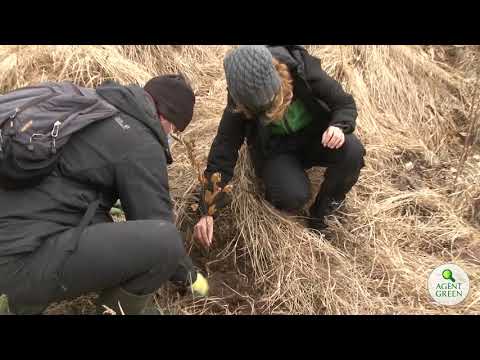
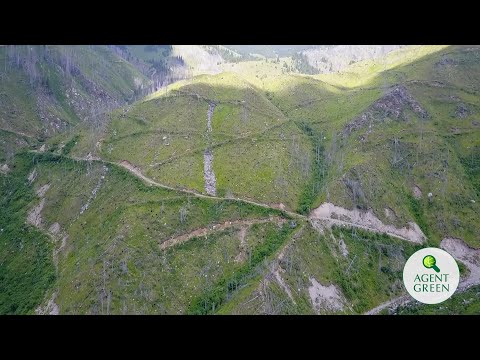
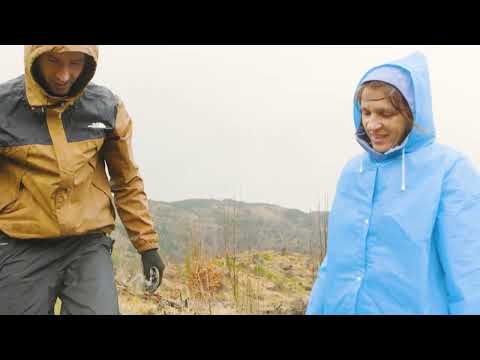
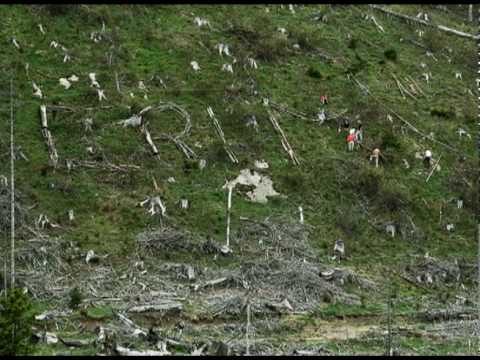
Ecological restoration — We plant where nature can no longer recover on its own: completely cleared areas (clear-cuts), degraded or grass-covered soil and fragmented habitats.
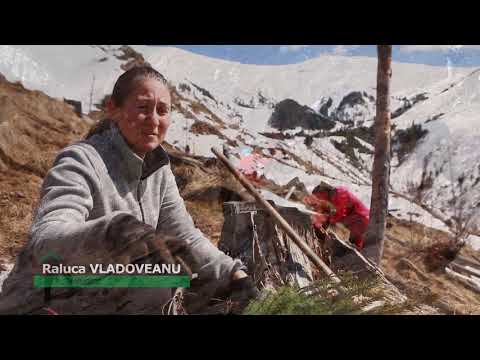
Example: the Făgăraș Mountains — restoring destroyed ecosystems.
Ecological restoration — Făgăraș Mountains
Planting in Făgăraș — Destroyed ecosystems
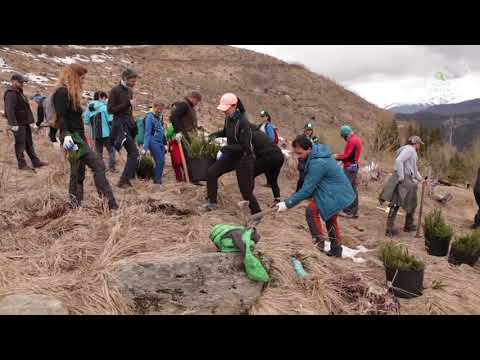
Mountain planting — Habitat restoration
Forest restoration — Degraded areas
Community planting — Volunteers in action
2
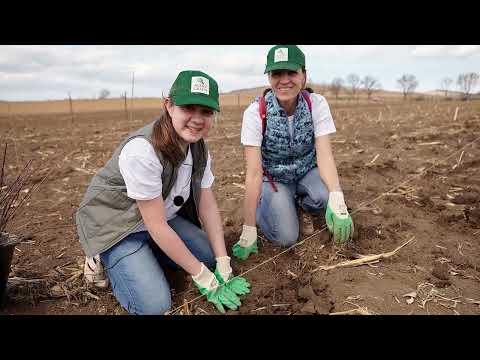
Afforestation on degraded agricultural land — abandoned or exhausted land, areas without forest vegetation, drought-affected plains. Here we create new forests, shelterbelts and refuges for biodiversity.
Afforestation on degraded agricultural land
3
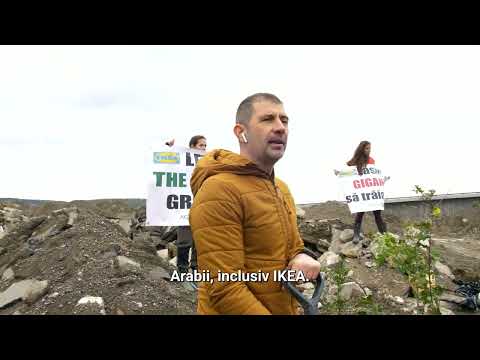
Unusual (even illegal) planting, Agent Green style — unconventional planting actions that draw attention to deforestation and demonstrate that nature can be restored wherever there is a will.
Unusual planting, Agent Green style
Illegal planting? Agent Green in action
After aggressive logging, soil degrades, seeds disappear and the ecosystem is broken. Nature has no basis from which to recover. This is where we step in.