In Europe and Romania, two energy sources are promoted as “green”: biomass and biogas. In reality, both are deeply flawed solutions — for the climate and for nature alike. They do more than fail to solve the climate crisis: they worsen it.
more CO₂ emissions
woody biomass vs coal
damages sought by industry
SLAPP lawsuit against Agent Green
in public subsidies
for false green solutions
Biomass: why burning wood is worse than coal
Scientific fact: Burning wood for energy is presented as carbon-neutral. This idea is false. Per unit of energy produced, burning wood releases more CO₂ than coal and creates immediate emissions, while forest regeneration takes decades or even centuries.
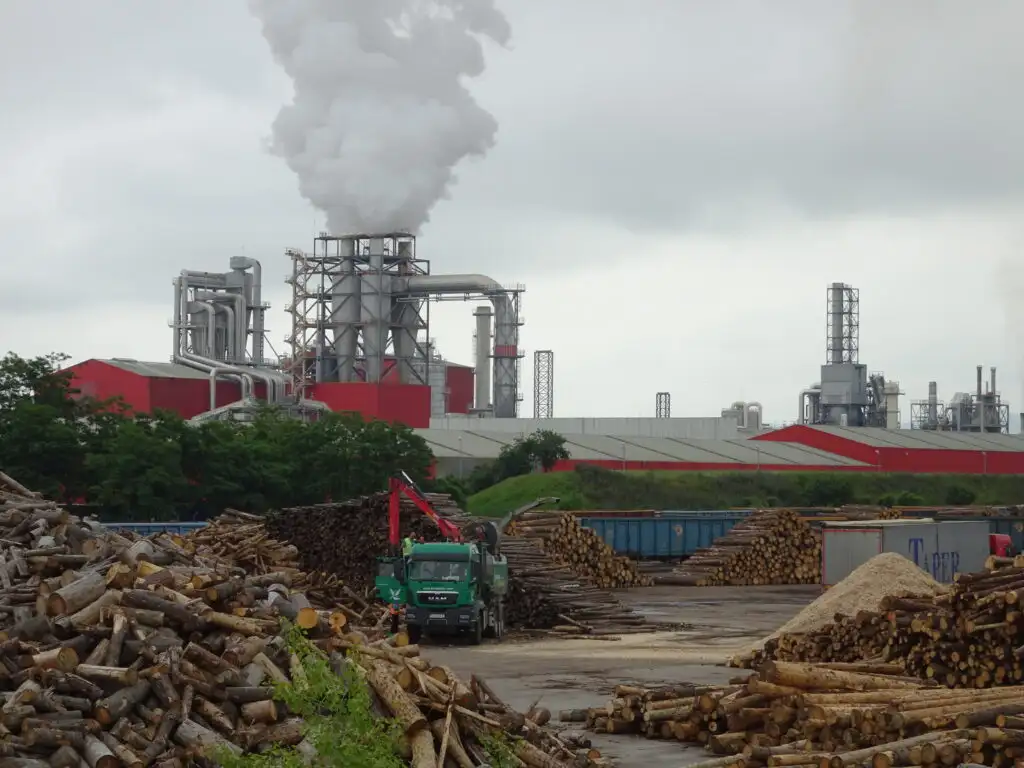
The climate reacts to what happens now, not in 50–100 years. Any forest cut down for burning adds carbon to the atmosphere immediately — and the promise that it will be reabsorbed “at some point” is no substitute for real climate policy.
“Carbon neutrality” — a dangerous myth
-
✗
The theory says trees grow back and absorb the CO₂ emitted
-
✗
The reality: mature forests store enormous amounts of carbon — once cut and burned, that carbon is released immediately
-
✗
Restoring those stores takes too long to matter in the current climate crisis
-
✗
This gap — the “carbon debt” — accelerates global warming precisely during the critical period when we should be reducing it
Destroying forests and biodiversity
Demand for biomass:
-
●
increases pressure on forests
-
●
leads to the exploitation of natural forests too
-
●
reduces ecosystems’ capacity to absorb carbon
Forests are not fuel. They are vital climate infrastructure.
Subsidies — the major error: Classifying biomass as renewable energy has led to massive subsidies for burning wood, encouraging logging and increasing actual emissions. This is one of Europe’s gravest climate-policy errors.
A real case: when the truth is inconvenient
The actual impact of biomass is not just a theoretical debate. It is documented on the ground and recognised internationally.
International investigation
The New York Times — EU’s Green Goals Clash With Forests Burning for Fuel
This major investigation documents, with evidence from the field:
-
●
forests cut down for pellet production
-
●
pellets burned in European power plants
-
●
the discrepancy between the reality on the ground and the “green energy” label
The article had a global impact, being widely republished and cited in the international press and European political debate.
Read the full NYT investigation →
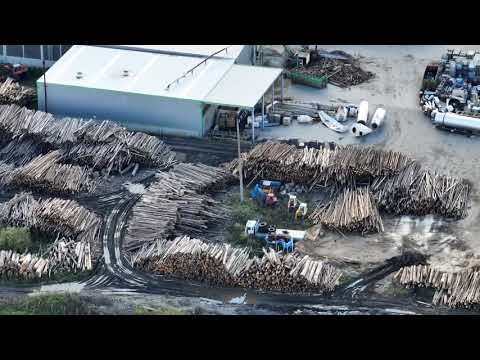
Wood from Cheile Bicazului-Hășmaș National Park reaches the Ameco pellet factory
SLAPP lawsuit
Agent Green sued
for telling the truth.
The article is produced entirely by The New York Times, which takes full editorial responsibility for it
It presents journalistically documented facts
Agent Green is not the author of the investigation
Nevertheless, the company Ameco Renewable Energy, active in Romania’s biomass sector, filed a lawsuit against Agent Green.
in non-material damages
sought by Ameco
in compensation claimed
for alleged losses
late-payment penalties
until the article is removed
What is a SLAPP lawsuit?
SLAPP (Strategic Lawsuit Against Public Participation) — a mechanism through which companies try to silence civil-society organisations.
-
✗
It is disproportionate and abusive litigation
-
✗
Intended to intimidate and discourage public debate
-
✗
It threatens freedom of expression and the right to information
Biogas: an even more complex problem
While biomass destroys forests, biogas extends the problem into agriculture.
Real emissions, not theoretical ones: Methane losses are inevitable. Methane is much more powerful than CO₂ in the short term — even small leaks cancel out any climate benefit.
Pressure on land and resources
-
●
Dedicated crops for energy, rather than food
-
●
Soil degradation through intensive monocultures
-
●
Direct competition with food production
Maintaining an unsustainable agricultural model
-
●
It supports intensive agriculture instead of reforming it
-
●
It does not solve the food system’s structural problems
-
●
It increases impacts on the environment and biodiversity
A difficult alliance: energy + agriculture
Biomass and biogas are supported simultaneously by the energy and agricultural sectors. This combination creates enormous political pressure. But the reality remains:
⚠ Both are flawed solutions
⚠ Both worsen the climate crisis
⚠ Both destroy ecosystems
Conclusion
Treating biomass and biogas as green energy is a fundamental error.
Burning wood is not green energy. It is a direct emission.
Biogas is not a climate solution. It is a dangerous diversion.
Agent Green’s case shows one thing clearly: more than the climate and nature are affected — so is the freedom to tell the truth about them.
The future must be built on:
-
✓
Real emissions reductions — rather than transferring them from one sector to another
-
✓
Protecting forests — rather than burning them under a “green” label
-
✓
Truly clean energy solutions — solar, wind and energy efficiency
-
✓
Defending freedom of expression — against abusive SLAPP lawsuits
