JOINT LETTER ON THE DRAFT EU SUSTAINABLE TAXONOMY ACT
17 December 2020
Dear President von der Leyen, Dear Vice-President Timmermans, Dear Commissioner McGuinness,
Non-governmental organisations’ observations on the draft EU sustainable taxonomy act
In response to the draft EU sustainable taxonomy act, we, the undersigned organisations, wish to raise the following critical issues:
Forest biomass
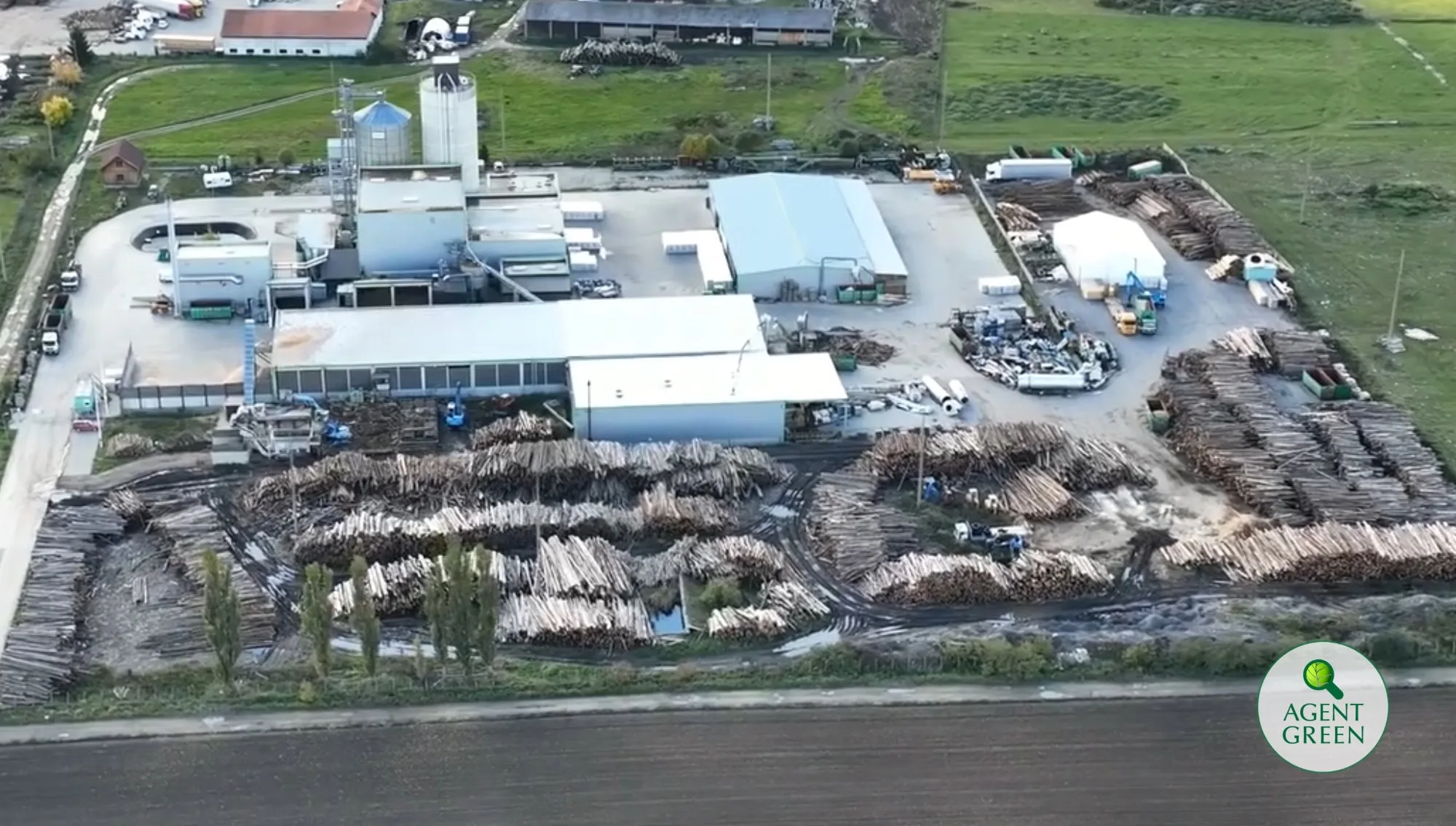
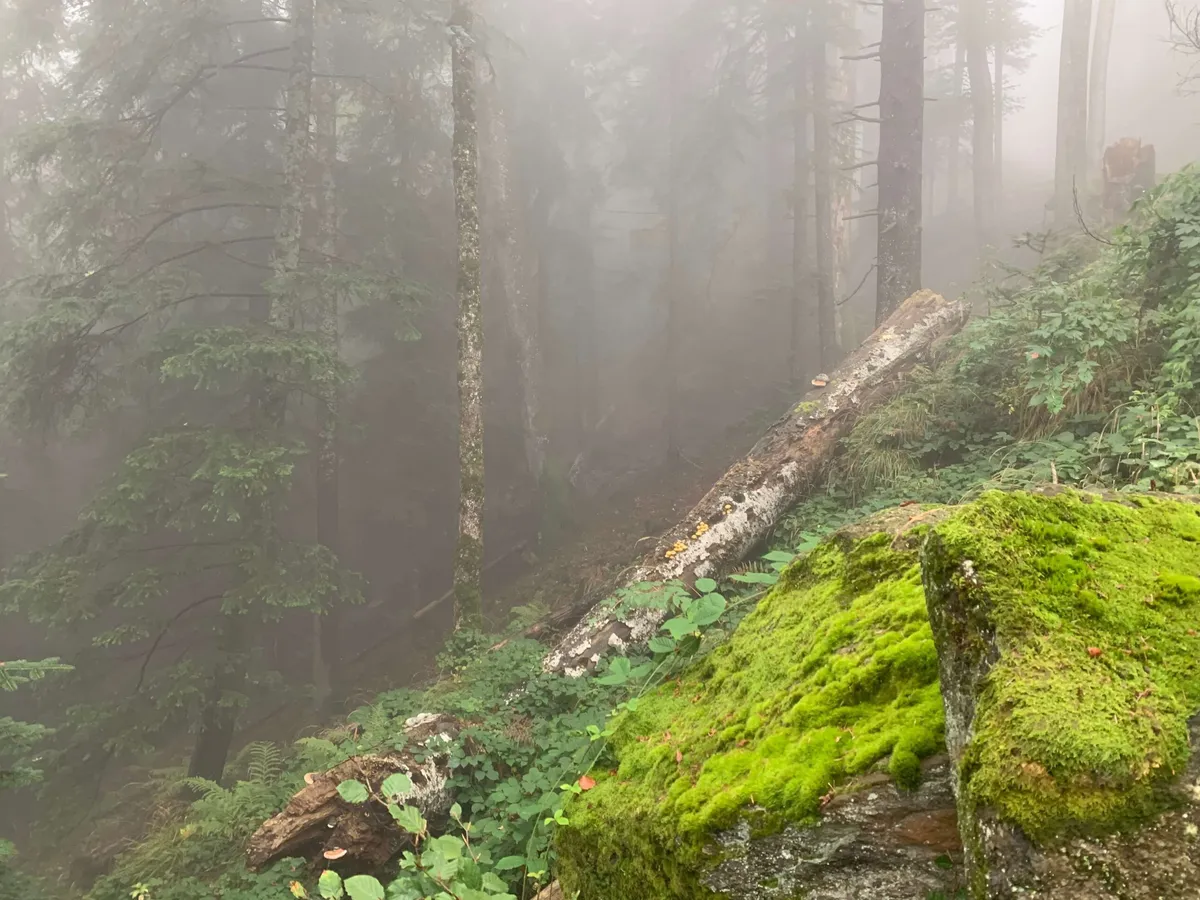
Given the urgency of the climate crisis, the EU taxonomy must be much more ambitious than is currently permitted under European legislation. In particular, treating forest biomass as a “0 carbon” fuel for energy production dangerously undermines efforts to reduce emissions, because regrowing forests to recapture emissions takes decades or even centuries, time we do not have in this race to avoid the worst effects of climate change.
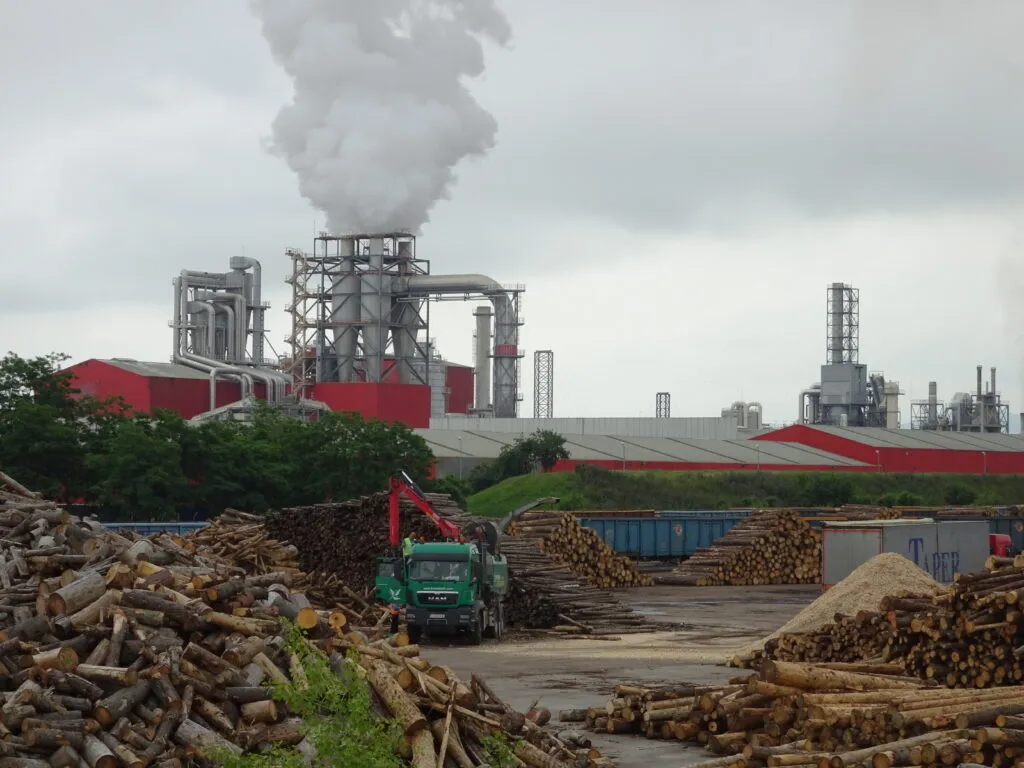
A letter to the European Parliament signed by almost 800 scientists warned that support for burning forest biomass could have a dramatic impact on the climate. The European Academies’ Science Advisory Council has repeatedly addressed the critical issue of burning forest biomass, recently calling for “a review of the role of biomass in meeting renewable energy targets” and demanding radical reform of the treatment of forest carbon as “renewable”. Even members of the European Commission acknowledged in 2016 that forest biomass is not carbon neutral in the bioenergy sustainability impact assessment. The European Union’s Biodiversity Strategy — a key initiative intended to help reverse trends damaging the health of EU biodiversity — raised the issue of the impact of burning forest biomass on biodiversity. PFPI’s (Partnership for Policy Integrity) “Paper Tiger” report demonstrates the clear failures of the RED (Renewable Energy Directive) “sustainability criteria” for forest biomass (implicitly referred to in the draft DA) to adequately protect the climate and biodiversity. Recently, over 100 civil society organisations called for forest biomass to cease being considered eligible as a renewable energy source under the RED and for the subsidies and incentives arising from this eligibility to end.
The draft act, which proposes that most biomass sourced directly from forests be considered “sustainable”, is clearly inconsistent with these warnings and statements from scientists, civil society and members of the European Commission.
The dramatic climate effects of burning forest biomass are clear. When proposing additional eligibility criteria, the Technical Expert Group acknowledged in its report that these do not provide sufficient safeguards. Consequently, forest biomass does not make a substantial contribution to climate change mitigation and undoubtedly exacerbates biodiversity degradation and therefore should not be classified as “sustainable” and removed from the Taxonomy.
Hydropower
The Technical Expert Group (TEG) acknowledged the lack of cost-effectiveness of small hydropower plants, which cause much greater destruction relative to the very small amount of energy they produce, and thus recommended avoiding the construction of small hydropower plants (<10MW). This is consistent with the TEG’s “Do No Significant Harm” (DNSH) criterion, according to which activities “must avoid causing significant harm… in order to protect healthy ecosystems”. The environmental damage caused by small hydropower plants, particularly those built in cascades, can be similar to or even greater than the well-known negative effects of large hydropower plants. In the EU, 60% of rivers are not in good ecological status, fish and molluscs are the two most threatened taxonomic groups, migratory fish populations declined by 93% between 1970 and 2016, and in the Mediterranean Basin, including countries such as Portugal and Turkey, 161 of the region’s 251 threatened fish species will be negatively affected by the planned small hydropower plants alone.
At the same time, 150 NGOs recently called for an end to the construction of hydropower plants in Europe. Support for hydropower in the draft act is clearly inconsistent with calls from civil society and members of the scientific community to end the damage that hydropower has caused and continues to cause to freshwater systems. The DNSH criteria are clearly violated. Given the almost non-existent benefit that new hydropower plants can provide in greening the economy, hydropower should also not be included in the taxonomy.
Declining greenhouse gas intensity
The screening criteria proposed by the European Commission’s Technical Expert Group included the concept of declining greenhouse gas intensity for energy production over time. This critical concept, intended to help achieve climate neutrality by mid-century, was unfortunately removed from the draft act. Recently, a letter signed by 123 scientists was published in the media, stating that there is a “disconnect” between the EU’s climate objectives and the EU Taxonomy.
This inconsistency must be rectified and the concept of declining intensity reinstated so that the sustainable finance mechanism is aligned with the EU’s other climate change objectives and strategies, including the European Green Deal, the EU’s commitment to the Paris Agreement and the European Climate Law.
In light of the above, the EU taxonomy must have a sound scientific basis. These critical issues must be addressed to achieve this.
Yours sincerely,
Gabriel Paun President
Agent Green, Romania
Gabriel Schwaderer
Executive Director
EuroNatur Foundation, Germany
Ulrich Eichelmann
Managing Director
Riverwatch, Austria
Juraj Lukáč
president
Lesoochranárske Zoskupenie VLK, Slovakia
Mary Booth
director,
PFPI, International
Zoltan Kun
board secretary
Friends of Fertö Lake, Hungary
Maarten Vischers
board member and secretary Leefmilieu, the Netherlands
Martin Luiga
international cooperation coordinator Estonia Forest Aid, Estonia
Csaba Mezei
Secretary General
CEEWeb for Biodiversity, Hungary
Christoph Promberger
Executive Director
Foundation Conservation Carpathia, Romania
Raul Cazan President 2Celsius, Romania
Dimiter Koumanov
board member Balkanka Association, Bulgaria
Nicolae Mercurean President
Transmont Fagaras, Romania
Ibrahim Turak
Pusti me da tečem Bosnia and Herzegovina
Tibor Mikuska
Managing Director, Croatian Society for Birds and Nature Protection, Croatia
Rok Rozman
Managing Director, Leeway Collective and Balkan River Defence movement, Slovenia
Jarosław Krogulec
conservation officer OTOP/BirdLife Poland, Poland
Jana Ballenthien
forest campaigner ROBIN WOOD, Germany
Marieka Vogt
president
Free Rivers Fund, Austria
Natasa Kovacevic
Executive Director
NGO Green Home, Montenegro
Johan Vollenbroek
director, Mobilisation for the Environment, the Netherlands
Codruta Nedelcu president
ARIN, Romania
Dan Trifu
Vice-President EcoCivica, Romania
Doru Mitrana
president
Mai Mult Verde, Romania
Vera Knook
founder
River Collective, Austria
Robert Oroz
Gotuša
Bosnia and Herzegovina
Elena Rastei
director
Zero Waste, Romania
Radosław Ślusarczyk
president, Stowarzyszenie Pracownia na rzecz Wszystkich Istot, Poland
Daniela Mitrofan President
Organizația Reset, Romania
Andreea Leonte
President
Asociația MăEduc, Romania
Mihai Diac
founder, Grupul de inițiativă Codrii Iașilor, Romania
Elvys Sandu Prisecaru President
Asociația Mai Bine, Romania
Oana Neneciu
Executive Director, Centrul pentru Politici Durabile Ecopolis, Romania
Florin Stoica
President
Asociația Kogayon, Romania
Fenna Swart
campaigner
Comite Schone Lucht, the Netherlands
Siim Kuresoo
executive committee member
Eestimaa Looduse Fond (Estonian Fund for Nature), Estonia