Agent Green warns of major problems in PNRR that, in theory, had been remedied following the February debates.
VIDEO: PNRR debate – Green Transition (55:50):
https://www.facebook.com/watch/?v=417655782627730
“I explained as clearly as possible at the live debate in February that Romania is mistaken in its approach to PNRR, because it addresses the effects rather than the causes of problems requiring urgent strategic funding. I said we must work with nature, not against it. I said we cannot squander European money on destroying the environment through irrigation, concreting rivers, new forest roads, gas and burning forests to produce energy. I insisted that we restore watercourses, strictly protect ancient forests, plant forests in all areas of the country facing desertification, equip homes with heat pumps and solar panels, and produce hot water and heating from the sun on apartment-block rooftops,” says Gabriel Păun, president of Agent Green.
Although PNRR was significantly improved after the February debates and March negotiations, with substantial budgets allocated to the green transition, climate change and biodiversity, the version sent to the European Commission did not remain the most ambitious. Unfortunately, it included initiatives for concreting rivers, irrigation in areas facing desertification and burning fossil fuels such as gas. The European Commission has already reacted and penalised Romania by removing projects involving spending 600 million euros on expanding the natural gas network. The same happened to the 5.77 billion euros Romania wants to squander on unnecessary irrigation and drainage works.
“It is clear to me now that the projects submitted to the European Commission were prepared by people with an outdated, destructive mindset who brought the country to its present situation. They no longer have any place in the system and must be held accountable for the disaster caused. The solution is systemic reform of all the authorities and public enterprises managing Romania’s waters, forests, soils and energy,” Păun argues.
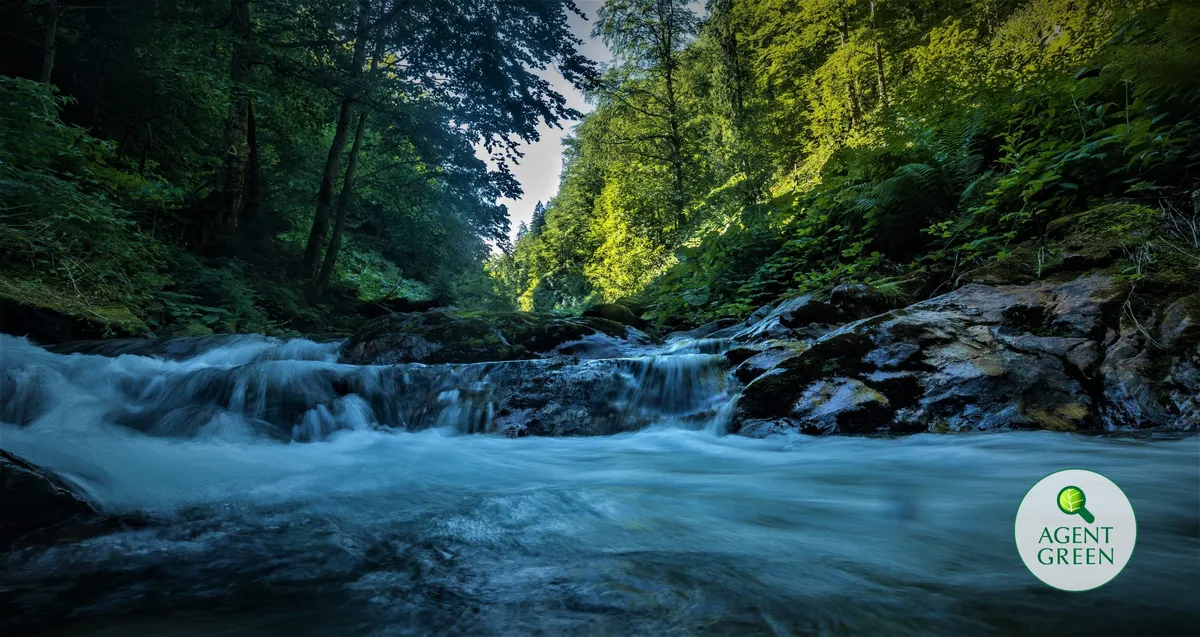
For example, for water management, green infrastructure to address flood risks by restoring watercourses is superior in terms of cost efficiency, according to the European Environment Agency: https://www.eea.europa.eu/publications/green-infrastructure-and-flood-management
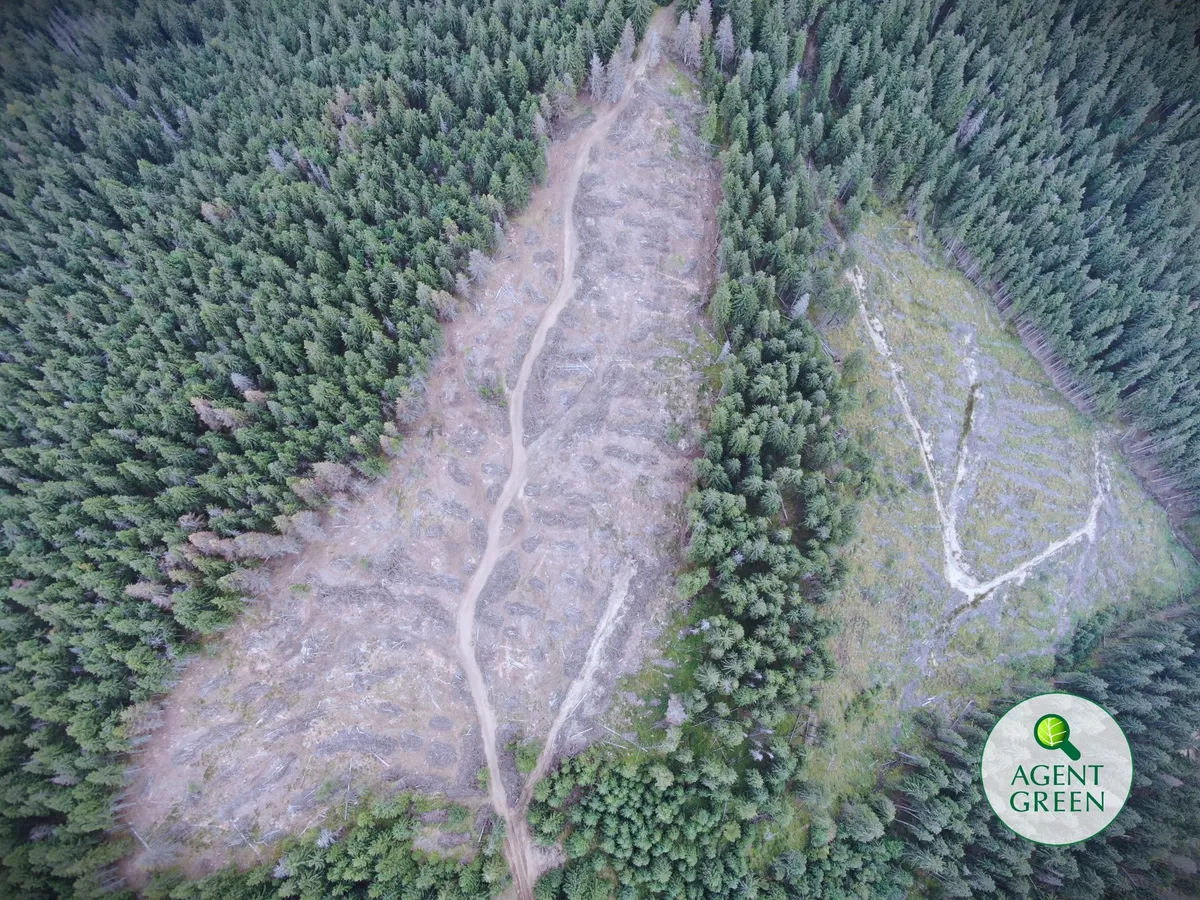
The EU biodiversity strategy also calls on Member States to strictly protect 10% of their territory and all remaining primary and ancient forests. Yet in its current version, Romania proposes to clear substantial areas to build new forest roads even where there are none, including in primary and ancient forests.
Moreover, at Agent Green’s insistence, the funding for afforestation rose from an initial 0.38 billion to 1 billion euros and then to 1.5 billion, to plant forests on 3 million hectares facing desertification and increase the country’s forest cover from its current 29% to 32% in 2026 and 40% in 2030. However, at a recent Environment Ministry meeting with environmental NGOs, Minister Tanczos Barna announced that he would plant no more than 0.04 million hectares.
https://www.facebook.com/1529078100746377/videos/763385584359629
Agent Green proposes that the Romanian Government take over PNRR coordination and establish an interministerial committee under the Prime Minister’s auspices, with NGOs and the progressive scientific community participating to improve the national plan.
Related articles
Why the EU must stop subsidies for burning trees: a policy mistake that needs correcting
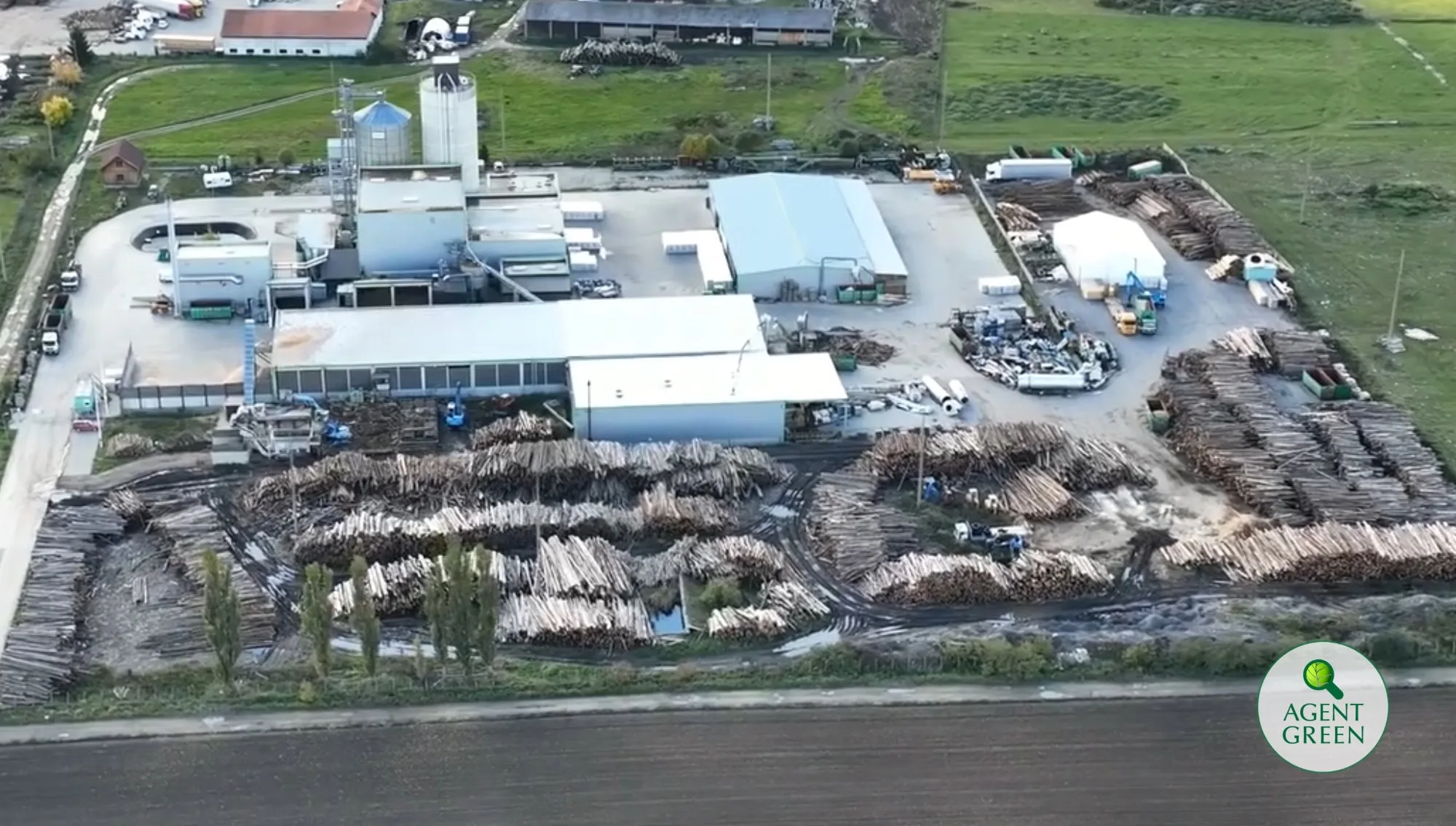
The EU burns almost half its harvested wood and calls it “green energy”. 44 organisations call for an end to subsidies