Agent Green proposes an alternative to destroying the last wild rivers
Romania must invest in the system that moves water
Agent Green press release
Agent Green proposes an alternative to destroying the last wild rivers: Romania must invest in the system that moves water
Bucharest, 13 July 2026 – After a series of research visits to some of the most advanced energy storage systems in Austria, Switzerland, Germany, Norway and other European countries, Agent Green proposes a paradigm shift in Romania’s energy policy: investment in pumped-storage hydropower plants (CHEAP) outside protected natural areas instead of destroying the last wild rivers.
Romania’s main electricity problem today is no longer generation. It is storage. And pumped-storage hydropower is already the dominant solution worldwide: it accounts for over 94% of global long-duration electricity storage capacity.
How does this technology work?
Two lakes at different elevations, connected by tunnels and a power station equipped with reversible machinery operating in both directions: as pumps when consuming energy and as turbines when generating energy.
When the sun and wind generate more electricity than we need, the surplus is used to pump water from the lower lake to the upper one. Energy is not wasted; it is stored as water at elevation.
When the sun sets, the wind drops or demand rises, the same water is allowed to flow back down through the same machinery, now working as turbines and generating electricity again.
In simple terms, this is the installation that moves water when we have surplus renewable energy and lets it flow down when we need electricity. Depending on the system’s configuration, energy can be stored for hours, days or even from summer to winter.
On many sunny and windy days, Romania already produces more renewable energy than it can consume during certain hours. Some of this energy is curtailed or used below its potential because storage capacity is insufficient. After sunset, however, the energy system still depends on nuclear generation and gas-fired plants or other flexible sources to meet demand.
Romania’s problem is no longer just how it generates energy. It is how to move energy from when it is produced to when it is needed. Today, renewable energy is no longer limited by how much it can produce. It is limited by how much can be stored.
“We continue to fight in court and in public over concreting the last wild rivers, while Europe invests in technology that will make the energy transition possible. We are no longer in the last century. Today, producing energy is no longer enough. You have to know how to store it. It is not rocket science. You move water from one lake to another and generate energy”, says Gabriel Păun, President of Agent Green.
Worldwide, pumped-storage hydropower accounts for over 94% of long-duration electricity storage capacity. These installations use surplus daytime solar and wind energy to pump water into a high-level reservoir. When demand rises or renewable generation falls, the water is released and generates electricity again.
In practice, Europe does not store electricity. It stores water first.
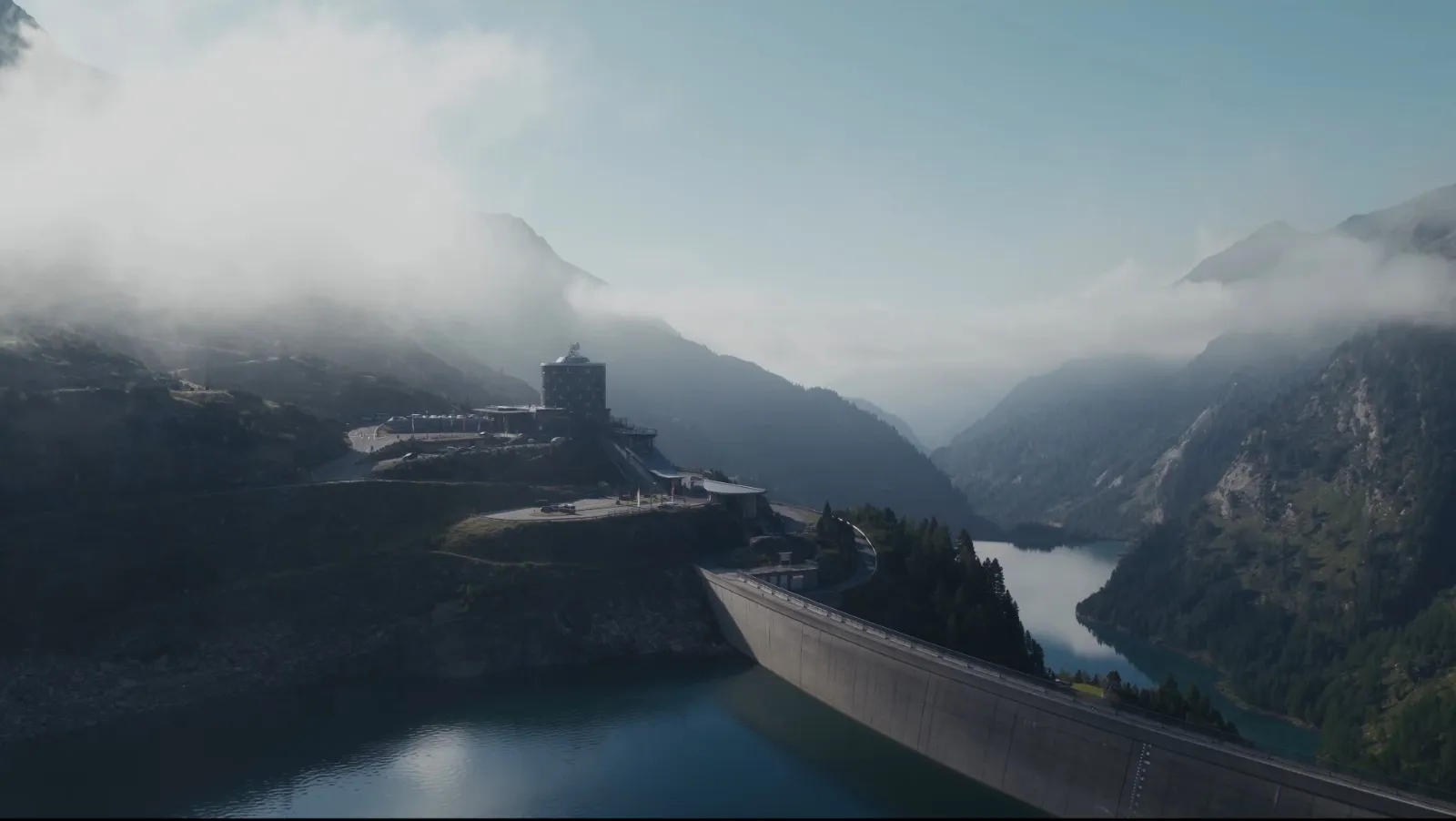
The technical research visit ended yesterday at Austria’s Malta–Reißeck hydropower complex, one of Europe’s most advanced energy storage systems.
The visit demonstrated that these installations are much more complex than is generally understood. They do not only shift energy from day to night. They can also shift energy from summer to winter.
The complex uses reservoirs with different roles. The upper Kölnbrein lake, containing around 200 million cubic metres of water, also acts as a seasonal reservoir, collecting snowmelt and summer rainfall to generate energy in winter when demand is highest. In parallel, the lower reservoirs in this complex system constantly balance daily variations in the electricity grid.
In other words, the same technology can store energy for hours, days or even months.
This is the energy infrastructure of the 21st century.
Europe is already developing these systems at scale. Switzerland operates the impressive Nant de Drance, built inside the mountain between two alpine lakes. Germany operates Goldisthal, one of Europe’s largest pumped-storage power stations. Norway uses its extensive hydropower infrastructure and alpine reservoirs to balance the Nordic energy system, while projects in former mines and even underground reservoirs are being developed in several European countries, reducing land occupation and water loss through evaporation.
If this technology works in the Alps, it will also work in the Carpathians.
The Malta–Reißeck complex can inject around 1,540 MW into the grid almost instantaneously, a capacity comparable to the simultaneous output of Cernavodă’s two nuclear reactors. But there is a fundamental difference. A nuclear plant generates energy almost continuously.
A pumped-storage plant delivers energy precisely when the system needs it, can start in just minutes and stabilises the grid almost instantaneously when solar or wind generation suddenly falls.
It does not compete with nuclear energy. It perfectly complements renewable energy from the sun and wind. The comparison with nuclear energy cannot be ignored. Refurbishing Cernavodă’s reactor 1 costs €2.3 billion for 700 MW. A pumped-storage plant of the same installed capacity costs around half as much and has a lifespan at least four times longer. Decommissioning costs, risks and radioactive-waste management make the difference even greater. Unlike nuclear fuel, water is a constant, safe and renewable fuel with a near-zero carbon footprint.
Such hydropower installations frequently last over a century through successive modernisations, while nuclear reactors are generally designed for a few decades of operation, even if their lifespan can be extended through major investment. Pumped-storage plants also produce no radioactive waste and, once built, have low operating costs, providing the flexibility needed by an energy system dominated by renewables.
Agent Green believes Romania must follow the same direction. Our country has mountains, existing reservoirs and numerous sites already transformed by human activity where such systems can be developed without affecting the last sensitive ecosystems.
The organisation explicitly supports pumped-storage hydropower outside protected natural areas, preferably in closed-loop systems using existing or newly created artificial reservoirs, former mines, underground reservoirs and other sites already altered by human activity.
Romania’s best-known project of this type is Tarnița–Lăpuștești in the Gilău Mountains. Conceived during the communist period, with a planned capacity of around 1,000 MW, it has gone through numerous feasibility studies, government memoranda, repeated attempts to attract investors and administrative relaunches, yet has never been built and produces no electricity for the National Energy System today.
Romania has discussed Tarnița–Lăpuștești for almost 50 years. Meanwhile, other European countries have built, expanded and modernised such systems, which now form the backbone of renewable-energy storage in Europe.
Agent Green does not oppose Tarnița–Lăpuștești or other pumped-storage plants located outside protected natural areas and designed to 21st-century technological and environmental standards. On the contrary, we believe Romania urgently needs such investments.
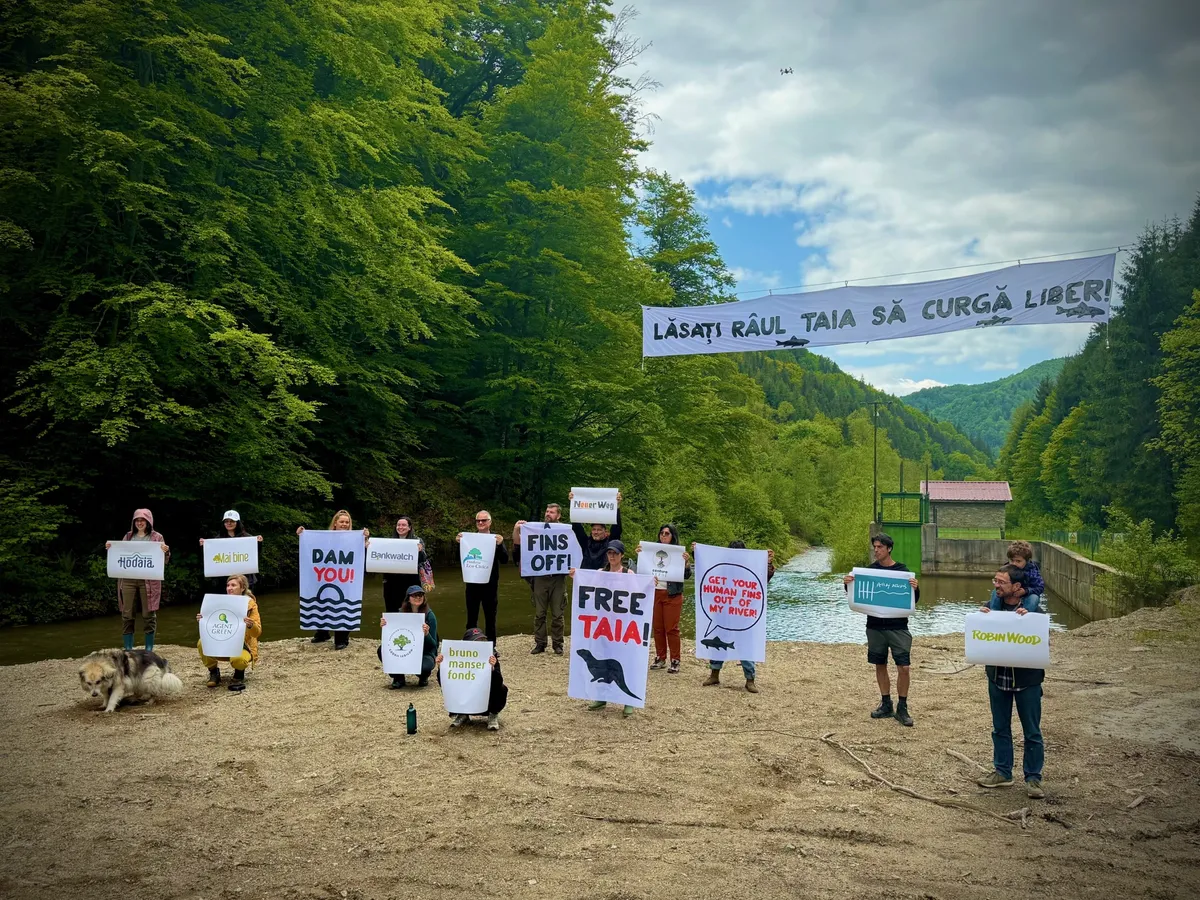
What we challenge is the destruction of the last wild rivers for conventional hydropower when modern storage solutions respond much better to the energy system’s present needs.
Romania does not need to destroy the last wild rivers to produce a little more energy. It needs to keep the energy it already produces.
“We are not saying ‘no’ to hydropower. We are saying ‘yes’ to intelligent, responsibly located hydropower. We are saying ‘no’ to destroying the last wild rivers when better solutions exist. Twenty-first-century engineering allows us to build a secure, competitive and clean energy system without sacrificing what nature has created over thousands of years”, Gabriel Păun added.
Agent Green calls on Romania’s Government and Ministry of Energy to develop a National Strategy for Pumped-Storage Hydropower Plants, identifying locations compatible with nature protection and making Romania a regional leader in renewable-energy storage.
The organisation is willing to work with authorities, academia, energy-sector companies and civil society to identify suitable sites and develop a national strategy accelerating the energy transition without sacrificing Romania’s last wild rivers.
In the 20th century, a state’s power was measured by how many power stations it could build. In the 21st, it will be measured by how much renewable energy it can store.
Press contact: office@agentgreen.org
Related articles
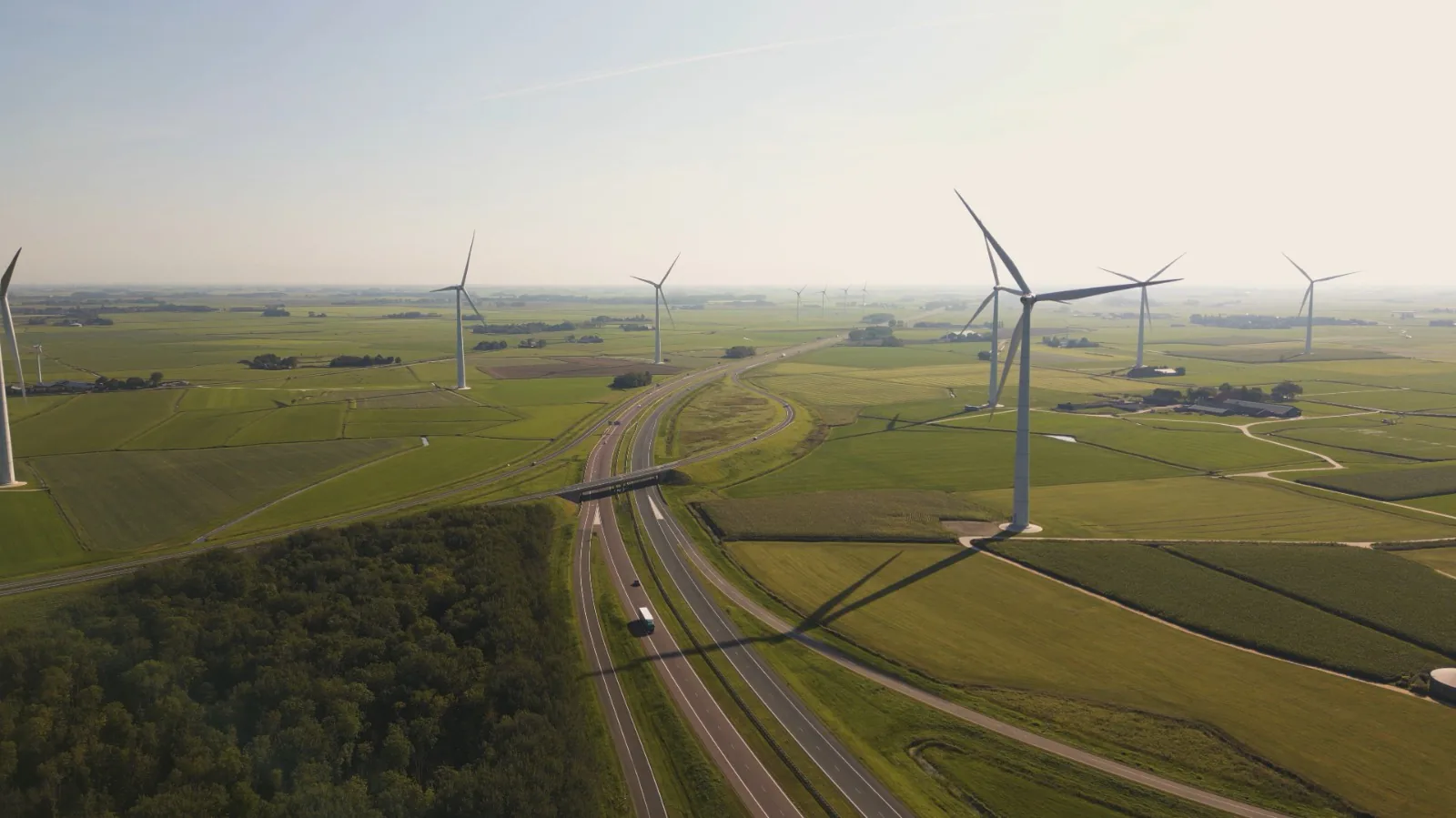
Drought has stopped a reactor. Agent Green offers viable energy-security solutions and calls for climate change to enter the National Security Strategy now
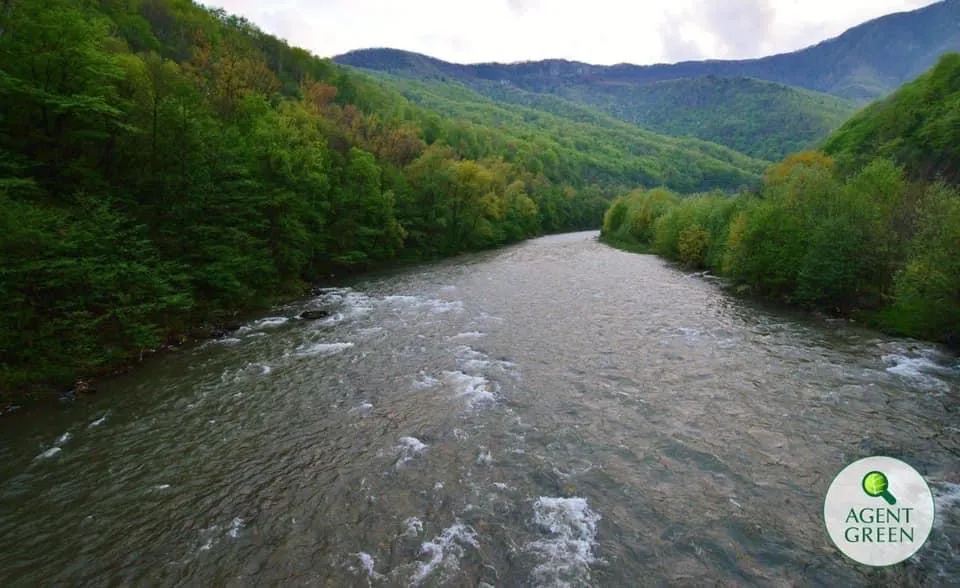
Constitutional Court opens Pandora’s box: national parks may be sacrificed for controversial hydropower projects