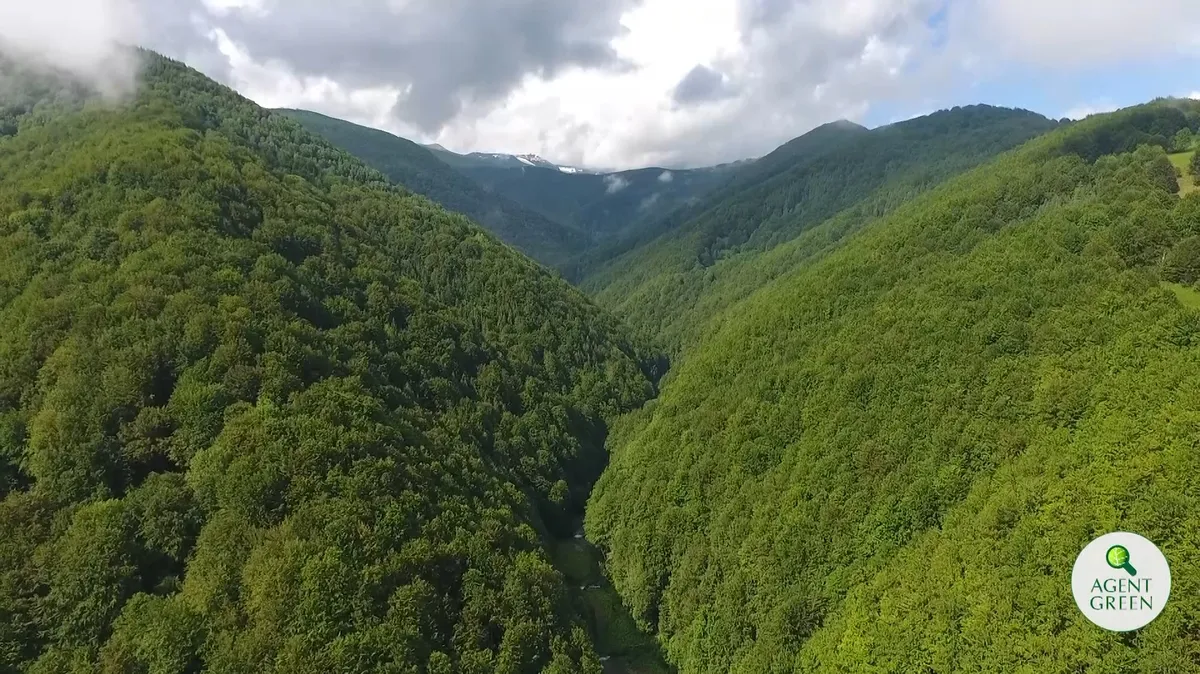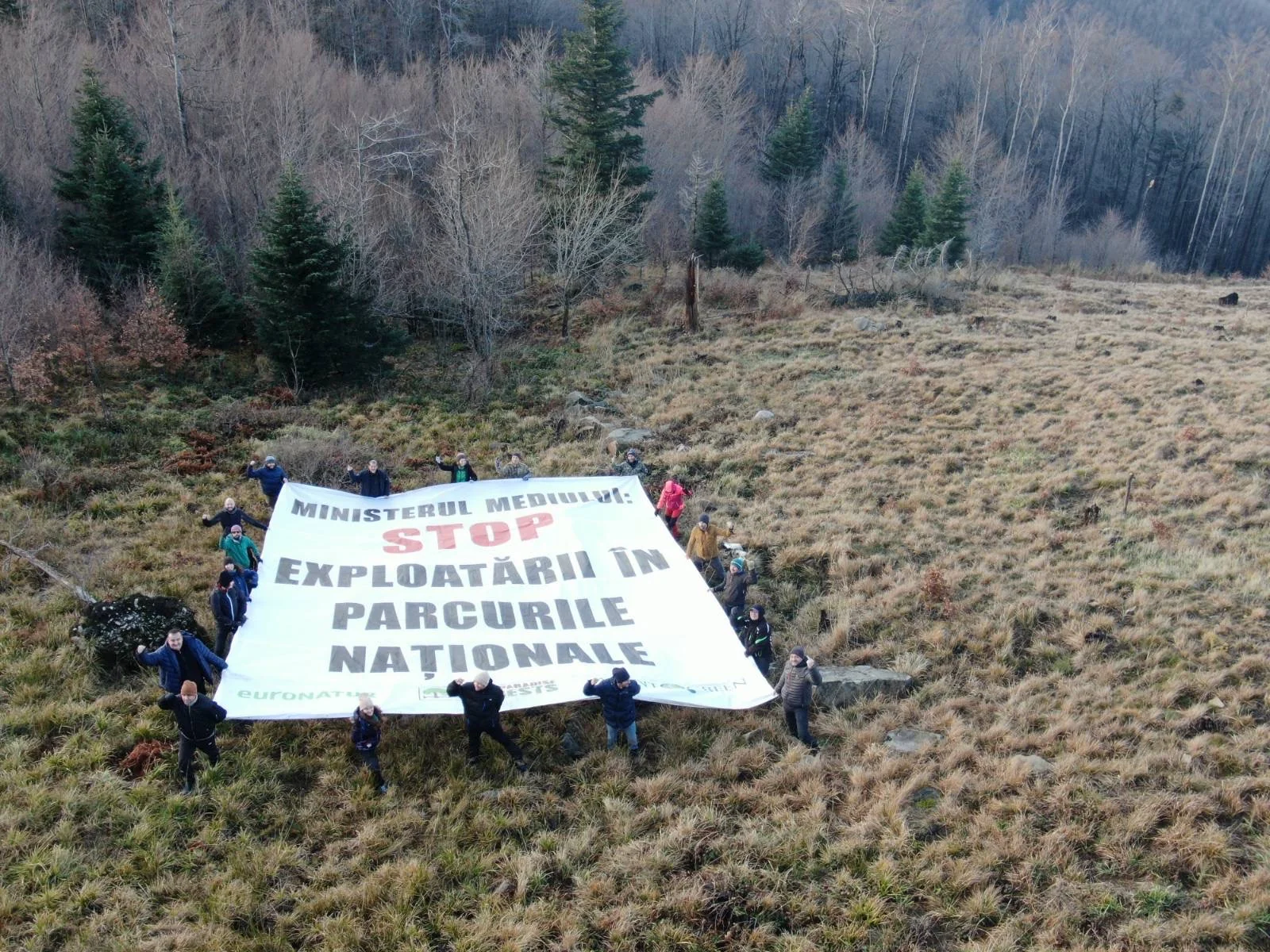
Agent Green reports to the European Commission the sacrifice of Semenic for a ski resort with an unverified climate future
Project documents provide for deforestation and Natura 2000 habitat losses while the JRC warns that low-altitude resorts are among those most exposed to warming
Reșița, 23 September 2026 – Agent Green is sending the European Commission its formal complaint about the Development of the Semenic Tourism Area project and calls for urgent intervention to halt irreversible work until the legality of the whole project is examined. The file identifies fragmented authorisations, contradictory habitat data, inadequate biological assessments, water risks and a backward-looking climate analysis for an investment intended to operate for decades [1].
In 2018–2019, the permanent removal of 23.0566 hectares from the forest estate, involving the clearing of 22.5635 hectares and around 7,329 m³ of timber, was treated separately and exempted from environmental impact and appropriate assessment, although the documents explicitly link it to Semenic tourism development [2]. The 2023 assessment subsequently quantified losses of 15.667 hectares of forest habitat 9110 and 11.77 hectares of habitat 9130, representing 25.23% and 12.37% of the locally mapped areas. For three transition mires, habitat 7140, the documentation described a high cumulative effect and major long-term risk, then concluded there was no impact [3].
“In Semenic, percentages appear to undergo climate change faster than the mountain: local losses of 25.23% and 12.37% shrink in subsequent documents until the impact becomes almost invisible. This is not scientific precaution. It is administrative sleight of hand with real forests.” — Gabriel Păun, founder of Agent Green
The 2024 report returns to very small generic percentages without reconciling the more detailed 2023 mapping. It assumes around 100 days of skiing and an extensive snowmaking network, but its climate chapter relies mainly on observations from 1998–2021 and historical standards. Tests of snow reliability, the wet-bulb temperature windows needed for snow guns, water availability and energy consumption under scenarios for 2030, 2040, 2050 and the end of the investment’s lifespan are missing [4].
The JRC, the Commission’s science service, warns that snow reliability will continue to decline and that low-altitude resorts are particularly exposed [5]. Commission guidance on climate-proofing infrastructure requires projections aligned with the investment’s lifespan, vulnerability analysis and testing of severe scenarios [6]. A European study covering 2,234 resorts shows that artificial snow reduces but does not eliminate the risk, while increasing pressure on water, energy and emissions [7].
“When winter disappears, Reșița city hall’s plan is to plug it in and feed it mountain water for Semenic’s slopes. It is a remarkable idea only if we ignore the climate, hydrology and the bill. Unfortunately, we cannot.” — Gabriel Păun, founder of Agent Green
Europe’s response is not to ban skiing, but to adapt intelligently. Climate ADAPT recommends diversifying tourism and describes the Spessart case: a shift to year-round tourism, removal of one ski lift and use of others in summer for hiking and cycling, alongside wellness and culture [8]. Semenic needed a serious comparison of nature tourism in all four seasons, use of existing infrastructure, a reduced project and locations outside protected habitats.
“We are not asking for Banat’s development to be blocked. We are asking that Semenic should not lose its forest before the investment loses its snow. The mountain’s economic future must be built on nature that exists all year round, not on an artificial winter financed with water, energy and public money.” — Gabriel Păun, founder of Agent Green
The complaint invokes the Habitats, Birds, EIA, SEA and Water Framework Directives. Agent Green requests a consolidated assessment of the project, GIS reconciliation of all areas, multiseason biological studies, analysis of ecological flows and drought, prospective climate scenarios and examination of funding sources, the DNSH principle and climate-proofing obligations [1].
Agent Green calls on the National Environmental Guard to suspend clearing, earthworks and work affecting water during the European Commission’s investigation. Semenic–Cheile Carașului is a national park, not a reservoir for artificial snow.
References
[1] Agent Green, Formal complaint to the European Commission concerning the Semenic project, 19 September 2026, sections A, H, K–N and P
[2] Caraș-Severin Environmental Protection Agency, Screening Decision no. 348/10.12.2018, revised in 2019, pp. 1–6.
[3] Semenic PUZ environmental report, 2020, pp. 114–126 and 137–181; Semenic PUZ appropriate assessment memorandum, 2023, pp. 114–122.
[4] Environmental impact assessment report, Development of the Semenic Tourism Area, 2024, pp. 24, 247–251 and 291–293.
[5] JRC, Impacts of climate change in tourism in Europe, PESETA Tourism study, 2010
[6] European Commission, Technical guidance on the climate proofing of infrastructure 2021–2027
[7] François et al., Climate change exacerbates snow water energy challenges for European ski tourism, Nature Climate Change, 2023
[8] Climate ADAPT, Diversification of tourism; Adaptation in winter tourism in Spessart.
Related articles
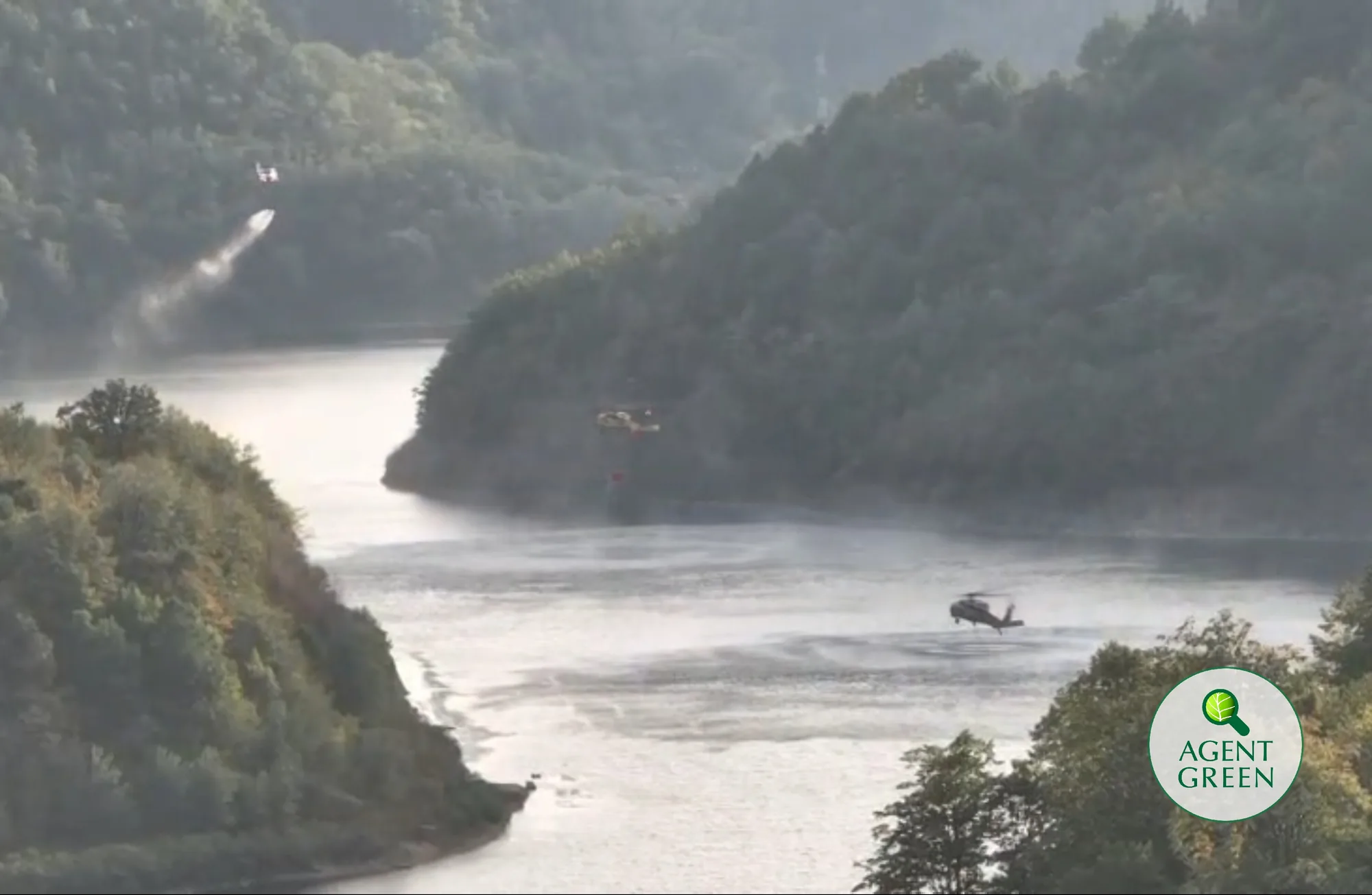
Domogled is burning, the state is late and the environment ministry wants to “sanitise” Romania’s forests
Constitutional Court opens Pandora’s box: national parks may be sacrificed for controversial hydropower projects