Skip to content
active

Wildlife

All campaigns

Since 2009

we have investigated abuses

against wild animals

2016

ban on bear-killing quotas

a historic victory

Trophy hunting is not conservation. It is an outdated, unethical practice that turns wild animals into objects of prestige and profit. Wildlife is not a trophy.

🟢 Who we are and why we speak out

Since 2009, Agent Green has investigated, documented and exposed abuses against nature, promoting ethical, science-based solutions to protect wild animals.

In 2016, our efforts contributed to a historic decision: banning annual bear-killing quotas, quotas set arbitrarily (approximately 10% of the population) using estimates made by the very people with a direct interest in hunting. It proved that the public interest can overcome hunting interests.

⚠️ The Arthur case — when a trophy becomes a global scandal

In 2021, our investigation revealed the killing of Arthur, the largest known bear in Romania, in a protected area by Prince Emanuel von und zu Liechtenstein.
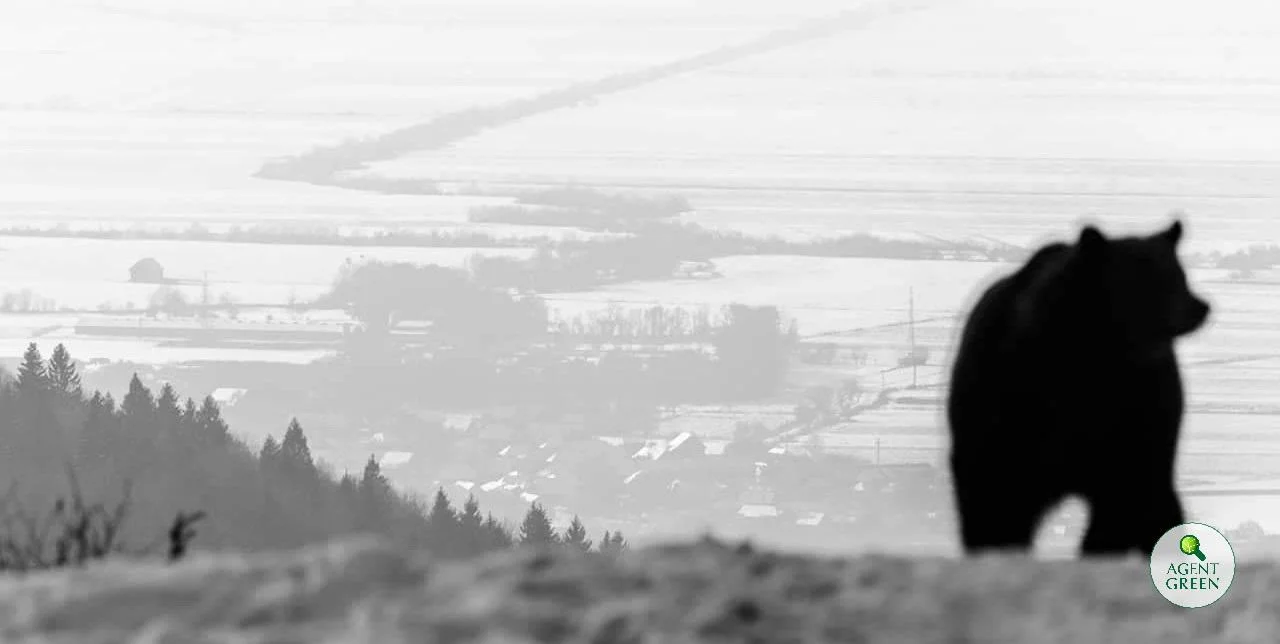
Arthur the bear — Romania’s largest known specimen, killed in 2021

The case provoked international outrage and should have led to reform. Instead, it had a perverse effect:

  • ✗The trophy-hunting industry exploited the favourable political moment
  • ✗With support from the government and parliament, quotas were reintroduced and increased
  • ✗Today, killing quotas have reached unprecedented levels

🐻 The brown bear — under pressure again

The brown bear is under pressure again. Not only because of the number of animals killed, but because of how targets are selected. Frequently targeted are large, dominant males — essential to the population’s balance.

⚠️ Removing dominant males

  • ✗Destabilises the social structure
  • ✗Increases the risk of conflict
  • ✗Affects reproduction and population health

🚫 The real causes — ignored

  • ✗Climate change
  • ✗Habitat degradation and fragmentation
  • ✗Access to food from human sources
  • ✗Direct persecution, fuelled by hysteria manufactured by hunters

✋ We say NO to lethal methods

We firmly oppose lethal methods of wildlife management.

Killing does not solve the problems; it only makes them worse.

💡 Solutions exist and work

🛡️ Non-lethal interventions

The authorities must use non-lethal firearms (including rubber bullets) to deter habituated bears.

  • ✓They create aversion without compromising the animal’s life
  • ✓They reduce returns to inhabited areas
  • ✓They protect both people and animals

🔧 Prevention

  • ✓Effective waste management
  • ✓Eliminating artificial food sources
  • ✓Electric fences and protecting households
  • ✓Education for communities and tourists
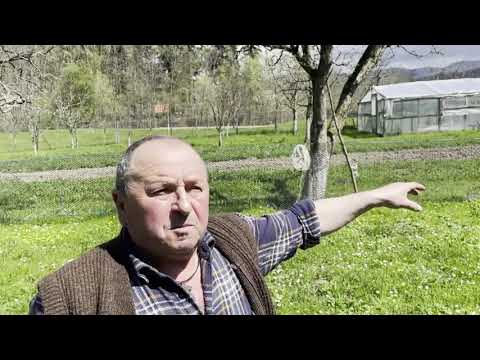
Non-lethal solutions for bears

🤝 Coexistence works

In September 2018, Agent Green, together with the Humane Society of the United States, facilitated a delegation of authorities from Covasna and Harghita to the USA to learn coexistence models.

  • ✓The results are visible in Băile Tușnad, where conflicts have decreased
  • ✓Non-lethal methods are applied successfully

Here is the story:

Coexistence works — Băile Tușnad

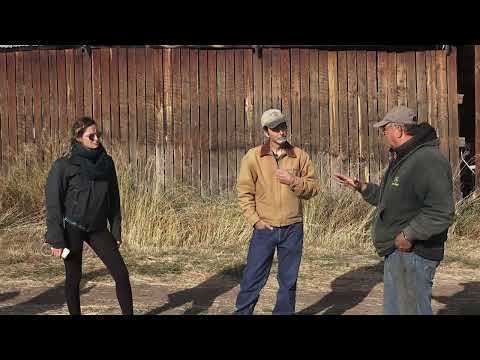
But it was not easy in the USA either. We spoke with Louisa Wilcox and David Mattson, the specialists who dedicated their lives to the return of wolves and bears to Yellowstone. We spoke with both of them and heard stories you will not find even in National Geographic documentaries or on Netflix:
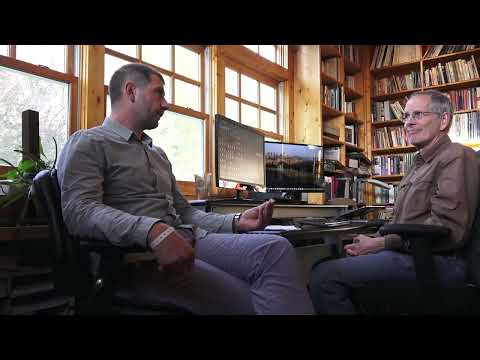
David Mattson — Wolves and bears in Yellowstone

💚 More valuable alive than dead

🔫

An animal shot

A one-off gain. Then nothing.

📷

A living animal

Long-term value through ecotourism.

Studies from British Columbia show that ecotourism — observing and photographing animals in their natural habitat — generates higher, sustainable income than trophy hunting.

📋 What we demand

1
A ban on trophy hunting
2
Abandoning every form of killing quota
3
Protecting populations’ natural structure
4
Widespread implementation of non-lethal methods
5
Real investment in prevention and coexistence
6
Decisions grounded in science, rather than vested interests

🌿 The choice

🚫

The old path

Fear, manipulation and unnecessary killing.

❤

The modern model

People and wild animals coexisting in balance.

The future is not built with trophies. It is built with respect.

Are non-human animals merely biological machines programmed by instinct to respond to environmental stimuli, or do they think? Were they created to serve humanoids? Do they have emotions such as fear, happiness, anger, sadness, contempt, surprise, love, jealousy, shame, sympathy, guilt, pride, admiration, envy and indignation? Do they have others we do not even know exist? Are they conscious and intelligent? Can they solve problems? Do they help one another to the point of sacrifice? Do they make plans, set goals, devise tactics and strategies? Do they assess and reflect on their actions — in other words, are they moral? These questions spark debate, sometimes heated, among philosophers and scientists, especially those specialising in behaviour and neuroscience. There is no consensus on every answer, but I believe only low-grade philosophy and biology still dispute the emotional, empathetic and moral qualities of non-human animals.

Find the answers in the chapter “The Other Animals” in the book “Homo Sentient” by Gabriel Păun — available here.

Video
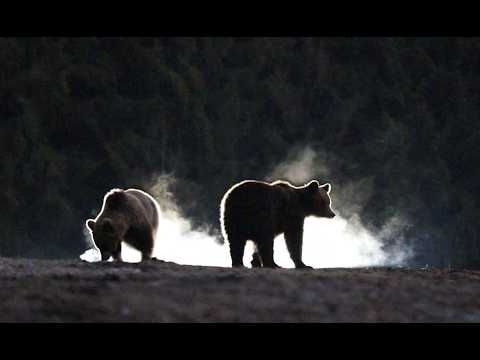
Wildlife — Agent Green

Wildlife — Agent Green

Non-lethal solutions for bears

Non-lethal solutions for bears

Coexistence works — Băile Tușnad

Coexistence works — Băile Tușnad

David Mattson — Wolves and bears in Yellowstone

David Mattson — Wolves and bears in Yellowstone

External resources