Sustainable Food
Campaign – sustainable food
A campaign by Agent Green, Asociația Veganilor din România and Animals International
OBJECTIVES 2024
-
reducing the number of illnesses associated with excessive consumption of meat and animal fats
-
reducing consumption and production of animal products in Romania (2024), by gradually replacing it with plant-based alternatives in both food and agriculture, provided and supported by the state
-
50% of the food options available in shops, restaurants and public institutions to be plant-based
Context
The European Union’s biodiversity and agricultural strategies, launched in May 2020, the climate emergency declared on 28 November 2019 and the Coronavirus pandemic we have been experiencing for several months are just a few significant events showing the urgent need to transform how we produce and consume food. The UN proclaimed 2021 the “International Year of Fruits and Vegetables”. The aim was to raise awareness of the benefits of eating vegetables and fruit.
The beginner’s guide to sustainable food
More than 20% of the food produced is thrown away, obesity rates are rising and more than half of EU adults are overweight.
In Romania, 55% of adults are overweight. Romania also ranks second in the European Union for childhood obesity.
Romanian shop shelves do not offer a balance between animal and plant-based products. Plant-based products lack diversity entirely, making it difficult to choose healthier products. Added to this are our culinary traditions, which have gradually placed meat and animal products at the top of Romanians’ preferences over recent decades.
The livestock industry is heavily subsidised, despite its many negative effects on the environment, public health and animal welfare. Animal rights are almost nonexistent in the livestock industry, and Romania often breaches European animal welfare legislation.
Our country has the highest number of deaths from preventable causes in Europe, twice as many as in other European countries. The main causes are heart disease, stroke, pneumonia and colorectal cancer. Our country also has one of the lowest life expectancies in the European Union — 6 years lower than in the other EU countries.
Romanians need to become familiar with the benefits of plant-based food and be encouraged to try alternatives. At the same time, plant-based alternatives must become more accessible because both public institutions and private catering chains currently lack a varied range of plant-based products.
Intensive livestock farms are unexploded zoonotic disease bombs, hell for animals and those who work there, contribute significantly to global warming and affect the environment in multiple ways. Rob Wallace, evolutionary biologist and author of “Big Farms Make Big Flu”, says that planet Earth is currently really the “Planet of livestock farms”. Larger populations and higher densities facilitate higher rates of zoonotic transmission. Added to this is the reduced immune response under crowded conditions.
The suffering caused by unnecessary animal transport cannot be ignored either: Romania is the European Union’s largest sheep exporter, with more than 2 million sheep and cattle exported annually.
For ecological, social, ethical and public health reasons, the future of food is most likely plant-based (vegan).
Vegan businesses are growing; demand exists. A notable case study is the Verdino brand, which switched from meat to pea-protein-based products. The business is sustainable and appreciated by customers seeking plant-based alternatives to meat products. Such entrepreneurs must be supported so they can easily produce value-added ingredients in Romania, such as pea or soy protein isolate. A European precedent comes from France, which has a national programme dedicated to producing pea protein isolate.
This trend towards more sustainable, plant-based food is also highlighted in the latest UN report (see the PDF in English), which analysed the pandemic’s impact on meat consumption worldwide. We are currently recording the largest decline in meat consumption in 20 years. By the end of 2020, meat consumption is estimated to fall by 3% compared with last year, a decline accelerated by consumers’ growing concern about reducing the environmental impact of their food choices (greenhouse gas emissions, pollution, unsustainable resource use), as well as about food security and how meat supply chains work.
REASONS
– public health
– economy
– environment/sustainability
– animal welfare
National campaign
– health
– nutrition
– environment
– animals
– economic opportunities
- NATIONAL CAMPAIGNS TO INFORM AND RAISE AWARENESS OF THE BENEFITS OF A PLANT-BASED DIET
- IMPLEMENTING CAMPAIGNS SUCH AS MEATLESS MONDAY IN PUBLIC INSTITUTIONS
- TAX INCENTIVES AND SUBSIDIES FOR GREEN AGRICULTURE AND ENTREPRENEURSHIP
- NATIONAL INVESTMENT PROGRAMMES
- MANDATORY TRANSPARENT LABELLING OF ANIMAL PRODUCTS (GREENHOUSE GAS EMISSIONS, FARM ANIMAL REARING CONDITIONS)
- PUBLIC EVENTS TO ENCOURAGE FRUIT AND VEGETABLE CONSUMPTION, ORGANISED IN PARTNERSHIP WITH THE NONPROFIT SECTOR
- REGULAR CONSULTATIONS BETWEEN THE GOVERNMENT AND THE OTHER TWO ACTORS SUPPORTING THE TRANSITION TO SUSTAINABLE FOOD — THE NONPROFIT AND BUSINESS SECTORS

Statement of reasons
1. Public health
1.1 Reducing mortality worldwide
According to a study published in the Proceedings of the US National Academy of Sciences (https://bit.ly/2X737La), a transition to a fruit- and vegetable-based diet could reduce mortality by 6 to 10% by 2050. This analysis includes coronary heart disease, strokes, type 2 diabetes and various forms of cancer. These 4 types of disease accounted for approximately 40% of deaths worldwide in 2010.
1.2. Reducing mortality in Romania
According to the State of Health in the European Union report published by the European Commission in 2019
(https://ec.europa.eu/health/sites/health/files/state/docs/2019_chp_romania_romanian.pdf, PDF in Romanian), Romania has one of the lowest life expectancies in the EU, specifically 6 years below the EU average. Romania also has almost twice as many deaths from preventable and treatable causes as the European average, ranking fourth after Lithuania, Latvia and Hungary. It is also among the lowest-ranked countries for fruit and vegetable consumption.
1.3. Reducing the incidence of illnesses linked to dietary habits
An illness that disproportionately affects Romanians compared with other European citizens is colorectal cancer. According to a study published this year in the Journal of Gastrointestinal Cancer (https://link.springer.com/article/10.1007/s12029-020-00382-3), the mortality rate in our country is almost twice the European average, especially in the northern and central regions.
For this type of cancer, the foods to avoid to reduce the risk of developing the disease are known. Red meat (meaning beef, lamb and pork), as well as processed meat, is considered carcinogenic
(https://www.health.harvard.edu/staying-healthy/red-and-processed-meats-raise-colorectal-cancer-risk).
A polyp prevention study conducted by the US National Cancer Institute showed that people who increased their pulse consumption by even less than a quarter of a cup a day reduced their risk of precancerous colorectal polyp recurrence by 65% (https://pubmed.ncbi.nlm.nih.gov/16772456/).
1.4 Reducing antibiotic resistance
Antibiotic resistance is responsible for 33,000 deaths a year in the European Union, leading to public health costs of approximately €1.5 billion (https://ec.europa.eu/health/amr/antimicrobial-resistance_en). Approximately 50% of worldwide antibiotic production is used in livestock farming and aquaculture. (Consumers International). Changing dietary habits and moving towards a predominantly plant-based diet would allow a reduction in the number of animals raised for consumption, thereby ensuring better farm conditions that would no longer predispose them, as current conditions do, to illnesses requiring antibiotic administration.
1.5 Preventing future pandemics
Approximately 60% of the diseases affecting people worldwide are zoonotic in origin (transmitted from animals to humans). Two thirds originate in wild animals. According to the World Health Organization, the greatest risk of zoonotic disease transmission arises through people’s direct or indirect exposure to animals, animal products (meat, milk, eggs) and the environment in which they live (https://bit.ly/3gA6cvk).
One of the scenarios formulated by scientists for Covid-19, and the one that also most closely resembles the story of previous coronavirus outbreaks (SARS-CoV2 is not the only virus to have caused epidemics in recent years by jumping from animals to humans, only the one that led to a pandemic), assumes that the virus evolved into its current form in humans after having had an intermediate host.
According to the latest research, pigs would be a very good candidate for this intermediate host, because their immune system is very similar to that of humans (https://bit.ly/3dd4FsN). Habitat destruction, which brings humans into contact with previously unknown pathogens, and conditions in intensive livestock farms and slaughterhouses, which provide fertile ground for diseases to emerge and spread, are among the leading causes of these diseases’ emergence. More than ever, we need to redirect some subsidies towards a sustainable agricultural sector that poses fewer public health risks — plant-based agriculture.
Report on the risks of intensifying the current livestock farming model: https://www.ciwf.org.uk/media/3756123/Zoonotic-diseases-human-health-and-farm-animal-welfare-16-page-report.pdf
2. Environmental protection
2.1. Reducing greenhouse gas emissions
The way we eat today is responsible for 17% of Europe’s greenhouse gas emissions, according to The Lancet report — Food in the Anthropocene: the EAT–Lancet Commission on healthy diets from sustainable food systems
(https://www.ncbi.nlm.nih.gov/pubmed/30660336).
According to a study published in the Proceedings of the US National Academy of Sciences (https://bit.ly/2X737La), a predominantly plant-based diet could reduce food-sector emissions by 29 to 70% by 2050 (also in line with the UN Intergovernmental Panel on Climate Change, which concluded that the potential to reduce these emissions is much greater through reduced consumption than through technical measures that could improve livestock management or the management of crops grown for animal feed). The Lancet report estimates that a dramatic reduction of at least 50% in consumption of unhealthy foods, such as red meat, is needed, alongside an increase of more than 100% in consumption of vegetables, nuts, fruit and pulses.
In 2019, the IPCC published a special report (https://www.ipcc.ch/srccl/) describing plant-based diets as a major opportunity to mitigate and adapt to climate change and including policy recommendations to reduce meat consumption.
2.2 Reducing water, soil and air pollution
Livestock farming systems affect water, air and soil quality by altering the biogeochemical cycles of nitrogen, phosphorus and carbon. Findings to date, also published by the European Union Commission (https://ec.europa.eu/jrc/en/publication/impacts-european-livestock-production-nitrogen-sulphur-phosphorus-and-greenhouse-gas-emissions-land), show that the livestock sector is responsible for
- 78% of terrestrial biodiversity loss
- 80% of soil acidification and air pollution (with ammonium and nitrate emissions)
- 73% of water pollution
According to the European Nitrogen Report, nitrate pollution costs the European Union €320 billion a year (http://centaur.reading.ac.uk/20869/1/28387ENA_c17.pdf, PDF in English).
Nitrate pollution of water exposes 18 million people to drinking water with nitrate concentrations above the recommended level. Intensive farms also contribute to air pollution, causing more than 400,000 premature deaths annually.
2.3 Combating deforestation and biodiversity loss
Deforestation to make way for agricultural land is the main cause of mass extinction (https://bit.ly/2ZDssyd).
A recent WWF study showed that the number of living creatures in the world’s forests fell by more than half between 1970 and 2014. The study, called “Below the Canopy”, examined 455 populations of 268 wildlife species living exclusively in forests. According to the latest available data, covering 1970 to 2014, their numbers fell by an average of 53%.
2.4 Sustainability
Growing plants has a smaller impact on the planet, requiring far fewer resources than the livestock industry (land, water, nutrients). Source — https://www.researchgate.net/publication/256389231_A_Framework_for_Sustainability_Transition_The_Case_of_Plant-Based_Diets
Moreover, livestock farms provide only 18% of the calories consumed worldwide but require 83% of the planet’s agricultural land (https://bit.ly/2ZHmpbK).
3. Animal welfare
The link between animal welfare and the wellbeing of people and the planet has become increasingly clear. Even regarding the pandemic currently facing the entire planet, several warnings have been raised over time, some very recently. The World Health Organization, researchers and scientists worldwide, as well as journalists and public figures, have drawn attention to the link between the unsuitable conditions in which animals are reared and slaughtered on intensive farms and the risk of new epidemic and pandemic outbreaks.
Ensuring decent conditions and respecting a minimum level of welfare for animals raised for consumption is impossible without reducing animal consumption. Almost two thirds of farm animals worldwide are currently raised on intensive farms (approximately 50 billion animals).
Because of crowding and accumulated stress on these farms, many animals end up injured. To reduce problems with injurious attacks and cannibalism, the livestock industry resorts to cruel practices such as cutting teeth, docking tails or trimming beaks, in birds for example.
For instance, female chicks destined for egg production have their beaks trimmed (a third in the EU), without anaesthesia, which can cause acute and chronic pain. Animals are treated as mere commodities, crammed into spaces where they sometimes cannot even turn around, without access to natural light or the opportunity to express natural behaviours. Sources: https://bit.ly/3esWAAm, https://bit.ly/2zD3Bjr, https://bit.ly/36H530b
4. Economic opportunities
According to a study (https://bit.ly/3gvyCq7) published in the Proceedings of the US National Academy of Sciences (PNAS), if people continue basing their diets on animal products, the global economy will lose up to $1.6 trillion by 2050. The European market for plant-based alternatives is already on an upward trend that only needs to be followed.
Sales of plant-based products made from peas, lentils or soy have grown by 39% on the European market over the past 4 years. Plant-based meat alternatives have seen an even more surprising increase: 451%. These data were obtained through a project funded by Horizon 2020 (https://bit.ly/2vvOJBm), the European Union’s framework programme for research and innovation.
Things are also improving for plant-based alternatives to dairy products. For 2025, the European market for these alternatives is estimated at a total value of approximately €2 billion (https://bit.ly/3ahlscr).
Romania already has successful vegan companies such as Verdino, Inedit, Aivia and Ambrozia, demonstrating that buyers in Romania and beyond are interested in this market segment and that this market can prove extremely profitable.
Worldwide success stories: Beyond Meat (with resounding success on the Nasdaq stock exchange), Impossible Foods, JUST Egg, Oatly
PROPOSALS FOR CONCRETE MEASURES
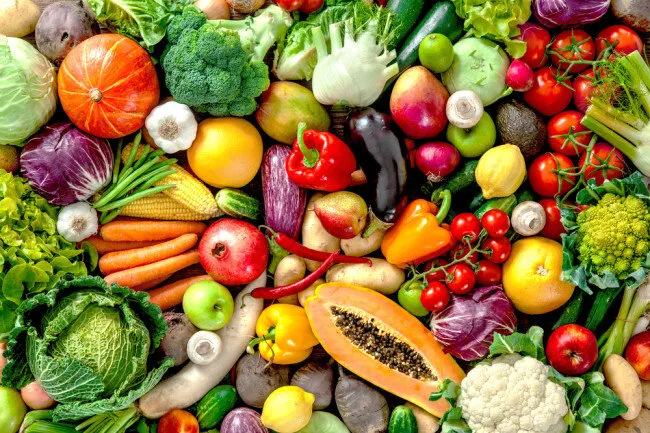
Identifying strategic crops beneficial to health and the environment through which the transition to sustainable food can begin, with the help of the authorities, official media channels and suitable infrastructure.
Subsidies and investments supported by tax incentives for businesses based on plant agriculture can save the planet and millions of lives and prevent future pandemics. In this way, we can introduce Romanian society to the fascinating world of plant-based cooking, because plants are what we cannot actually give up, being the primary source of nutrients in the human diet.
The main objectives fiscal measures should achieve are making plant-based alternatives affordable and increasing their diversity so they can replace animal products in both sensory and nutritional terms. Additional taxation of certain animal products with a major negative impact on the environment or consumers’ health could also be considered, but only once the diversity and affordability of plant-based products are deemed to have reached an adequate level, so that this additional tax does not burden Romanian consumers. This condition is particularly important in Romania’s context, as it ranks first in Europe for the share of food and nonalcoholic drinks in total household expenditure.
We believe several approaches must be tested to ensure that the message reaches as many communities as possible.
The 3 main reasons people give up animal products are concern for animal welfare, personal health and environmental impact.
Through education, affordability and real support for the transition, changing to a plant-based diet will come naturally.
By diversifying the range of plant-based products in both public institutions and private food retail chains, such as shops and supermarkets, people will have more alternatives and will be able to choose healthy food easily.
In fact, the costs of producing plant-based food are usually much lower, contrary to the myth that vegan food is expensive.
We propose that by 2023, 50% of the food options available in shops, restaurants and public institutions should be plant-based.
MAIN PILLARS
Pillar 1 — General and nutritional education
According to the special report on nutrition education published by the United Nations Food and Agriculture Organization (http://www.fao.org/3/i3235e/i3235e.pdf, in English), promoting healthy diets based on fruit and vegetables is a key element in adopting healthy and sustainable eating habits. Globally, both the FAO and the World Health Organization recommend educational policies and programmes that actively support the adoption of healthy diets. Therefore, for maximum effectiveness, information must be complemented by programmes that facilitate new skills and changes in the food environment (more healthy options, easier adoption of healthy habits).
Low fruit and vegetable consumption increases the risk of cardiovascular diseases and several types of cancer. High consumption of saturated and trans fats promotes heart disease, while consumption of red and processed meat is linked to several types of cancer (WHO, 2203; Steyn et al., 2004; WCRF, 2007).
In this context, we recommend three ways in which the government can support educational activities:
- National information campaigns on prevention through nutrition (facilitating public access through all media channels: TV, print, outdoor advertising, radio, online, social media, events and educational institutions).
→ Information spots like those on sugar, salt and fats, for an indefinite period, on all public TV and radio stations, covering several information categories
A PLANT-BASED DIET REDUCES THE RISK OF CARDIOVASCULAR DISEASE AND CANCER
PULSES: PLANT-BASED PROTEIN ALTERNATIVES TO ANIMAL PRODUCTS
CONSUMPTION OF ANIMAL PRODUCTS AFFECTS YOUR HEALTH AND THE PLANET’S
DO YOU WANT TO SWITCH FROM YOUR OLD LIVESTOCK FARM TO A PLANT-BASED BUSINESS OR START AN ORGANIC PLANT-BASED FOOD BUSINESS?
- Partnerships between local authorities and nonprofit organisations promoting fruit and vegetable consumption (public events such as fairs and festivals, awareness campaigns, information campaigns, conferences, workshops, free courses for parents and children)
- Labelling meat and dairy products with information about the illnesses to which they predispose consumers and their environmental impact (greenhouse gas emissions, pollution with nitrates, azotates, etc.)
- Nutrition education in schools and continuing medical education programmes on nutrition and public health for healthcare staff
- Using images from farms and communicating as transparently as possible on all animal products
Examples of campaigns around the world:
- Barcelona City Council promotes the Meat Free Monday campaign and has even published a vegetarian guide to the city (https://bit.ly/2MaghRr)
- New York City adopted the Meatless Monday campaign back in 2015. More than 40 schools, several colleges and universities and private schools have joined this campaign (https://bit.ly/3cfAY94)
- Several UK cities have become Veg Cities as part of the Peas Please initiative (https://bbc.in/3ewCTrC), a programme whose mission is to bring together retailers, producers, public institutions, local authorities and government representatives in a joint effort to increase daily fruit and vegetable consumption
- The national “Eat 5 fruits and vegetables a day / 5 a Day” campaign — organised in several countries (Argentina, Brazil, Australia, Canada, Denmark, Finland, France, Germany, Spain, United Kingdom).
The campaigns are structured and delivered by local authorities in collaboration with the nonprofit sector and sometimes with support from private partnerships.
Pillar 2 — Making “green” food products more accessible. Encouraging sustainable agriculture
1. Tax incentives and subsidies at every level: production, processing, distribution and sales
Providing subsidies and funds to start a green food business or for those wishing to make the transition, for example dairy companies starting to produce plant-based milk alternatives, along the lines of environmental programmes for electric cars, charging infrastructure and green energy.
Another key element of a just transition to sustainable food is supporting the entire production chain for food with a low environmental impact through tax incentives at every level: production, processing, distribution and sales. In this way, changes in dietary habits occur organically by encouraging sustainable agricultural sectors and making prices more affordable for buyers.
We believe tax incentives must take priority over additional taxes on products with a high impact on the environment and consumers’ health, such as ruminant meat and processed meat, because they do not make low- and middle-income citizens vulnerable but naturally tip the balance in the food market towards healthier and more sustainable alternatives, making them more varied, numerous and affordable.
We also propose additional taxation of foods with a negative impact on health and the environment. When these products become less accessible, their quality, price and standard will automatically increase, while consumption habits and the associated risks will decline.
Additional taxation of foods with a negative impact on health and the environment could be implemented only after several national nutrition education programmes and programmes supporting an increase in the number and quality of plant-based alternatives on the market have been carried out.
We propose 0.5% VAT on plant-based alternatives to animal products, including alternatives to meat, dairy and eggs. Given that the main nutritional role of the foods they replace is to provide the necessary protein intake, we propose the following cumulative criteria for applying the 0.5% VAT rate:
- The products are prepared or semi-prepared foods without animal-derived ingredients, AND
- The ratio between calorie content C (measured in kcal per 100g of product, according to the product label’s nutritional information) and protein content P (measured in grams of protein per 100g of product, according to its nutritional label) is at most 20.
This second criterion (C/P≤20) is equivalent to the condition (P×4/C≥0.2), which foods must meet to use the claim “HIGH PROTEIN” on packaging under Regulation (EC) No. 1924/2006 on nutrition and health claims made on foods.
https://eur-lex.europa.eu/legal-content/RO/TXT/HTML/?uri=CELEX:32006R1924
2. Identifying and designating strategic crops in the transition to sustainable food.
Our proposal concerns legume crops that successfully replace animal products nutritionally, including in protein content: peas, soy, beans, mushrooms, as well as aromatic plants. These crops benefit soil and have proven benefits for both the environment and health.
Following an analysis by area, covering several scenarios, complete business plans will be detailed and implementation guidance provided.
We recommend prioritising permaculture and local species that benefit the environment and nourish people.
Beans, peas, mushrooms and soy are just a few species that can be included in programmes as strategic crops.
European precedents
The French government has set out to become a global leader in supplying plant protein, especially pea protein, supplementing the National Plant Protein Programme 2014-2020 / Plant protein plan 2014-2020 (http://proxy-pubminefi.diffusion.finances.gouv.fr/pub/document/18/21565.pdf) with massive investment in research, development and innovation in “proteins of the future”.
3. Redirecting subsidies from agriculture based on intensive livestock farming towards sustainable, plant-based forms of agriculture.
Intensive farming must be replaced by abundant cultivation of plants suited to the terrain and conditions. Following an analysis by area, we propose
- an urgent survey of workers in slaughterhouses and the meat-processing industry
- funding and encouragement through tax incentives for both small and large producers with sustainable business models
- phased prioritisation of livestock-farming subsidies for green, plant-based businesses up to 2027
Pillar 3 — Predictability and consistency / National investment programmes
- National investment programmes in infrastructure for processing plant crops, such as peas, soy, beans or other legumes.
- National investment programmes in green/sustainable food entrepreneurship
- National investment programmes in research and development for sustainable plant-based food (food engineering, biotechnologies).
PARTNERS IN THE TRANSITION
The transition to sustainable agriculture and food with the smallest possible environmental footprint can happen only if all major actors in society join forces and work together. We therefore also propose several ways in which the nonprofit sector, businesses and the government can support one another in this transition.
NGO & CORPORATE
- Regular consultations with national and international nonprofit organisations dedicated to promoting the transition to sustainable, plant-based food
- Tax incentives for nonprofit organisations promoting plant-based or predominantly plant-based diets
- Consultations with businesses in the field of plant-based alternatives to animal products, to identify their challenges early and the support they need to become competitive nationally and internationally.