Open letter to Mr Ion-Marcel VELA, Minister of Internal Affairs
Bucharest, 15 July 2020
To: Ministry of Internal Affairs
Piaţa Revoluţiei no.1 A, sector 1, Bucharest
For the attention of: Mr Ion-Marcel VELA, Minister
Dear Mr Ion-Marcel VELA, Minister of Internal Affairs,
Today we learned that you have initiated a Government Decision that will turn bears and wolves into national risks, although these species are currently national symbols and sources of pride. Mr Vela, if you approve this Government Decision, you will certainly enter the dark history of Romania and be remembered accordingly. We believe you have the power to do precisely the opposite and help eliminate the threats to which these two symbolic species are consistently subjected. To do so, you must ask the Minister of the Environment, Waters and Forests to honour the promises and obligations undertaken and urgently implement measures to secure habitats for the two species, and to protect the population by implementing alternative solutions that reduce the presence of bears in inhabited areas. We do not believe the solution is a militarized one, just as we do not believe the presence of these species in Romania’s Carpathians should be treated as a major risk.
The draft Government Decision under consultation is a national disgrace and amounts to the Ministry of Internal Affairs acknowledging the Environment Ministry’s consistent inability to ensure adequate management of animal species protected by national and EU legislation. At the Environment Ministry’s proposal, the Ministry of Internal Affairs wants to declare by Government Decision that the presence of large carnivores in areas populated by people is a new type of risk, caused, among other things, by “the degradation of suitable habitat and the decline of natural food resources”. We carefully read the explanatory memorandum for the Government Decision here: https://webapp.mai.gov.ro/frontend/documente_transparenta/295_1594224445_NF_modificare_A_94_557.pdf (PDF in Romanian)
We believe you must abandon this Government Decision in its current form, through which the state acknowledges its failure to fulfil the obligations undertaken under the accession treaty and the Habitats Directive, which required Member States to ensure species conservation by maintaining suitable ranges for the species. We are in the midst of biodiversity infringement proceedings, and through this Government Decision you are merely declaring the Romanian Government defeated by the situation and choosing to arm yourselves instead of implementing the Action Plans for the two species, which should have led to fewer attacks and less damage.
Wolves do not attack people, so this species cannot be the subject of such a Government Decision. For this reason, we set out below some points concerning the brown bear action plan that we ask you to take on record.
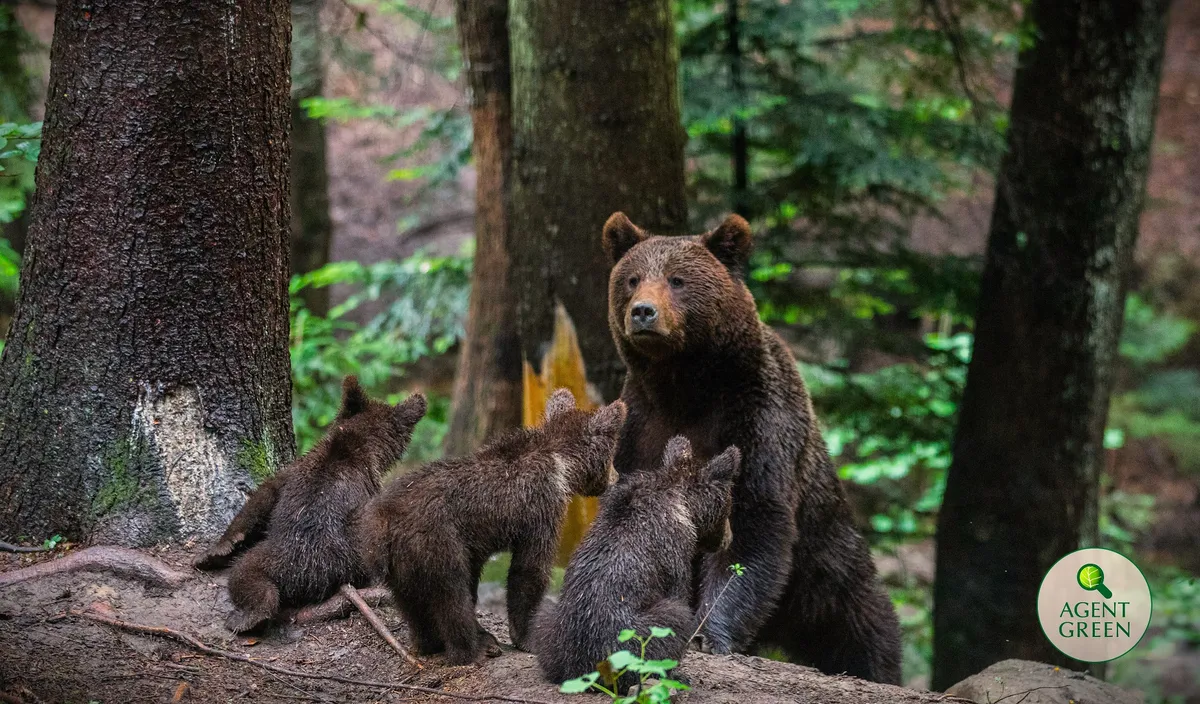
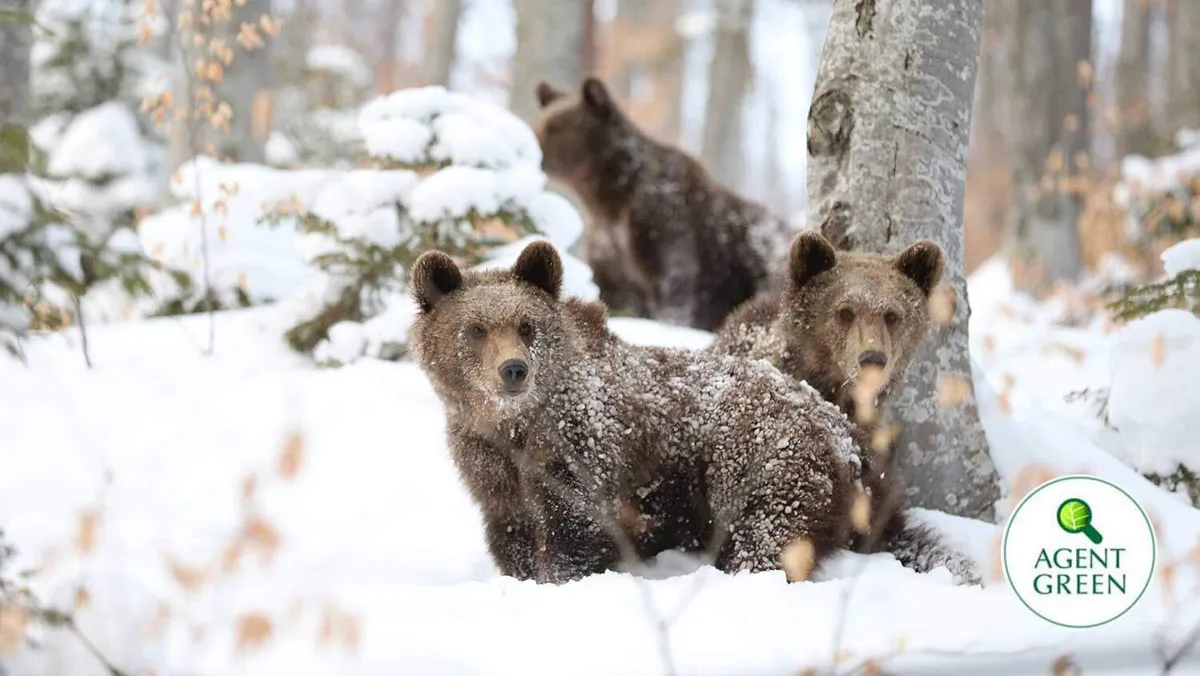
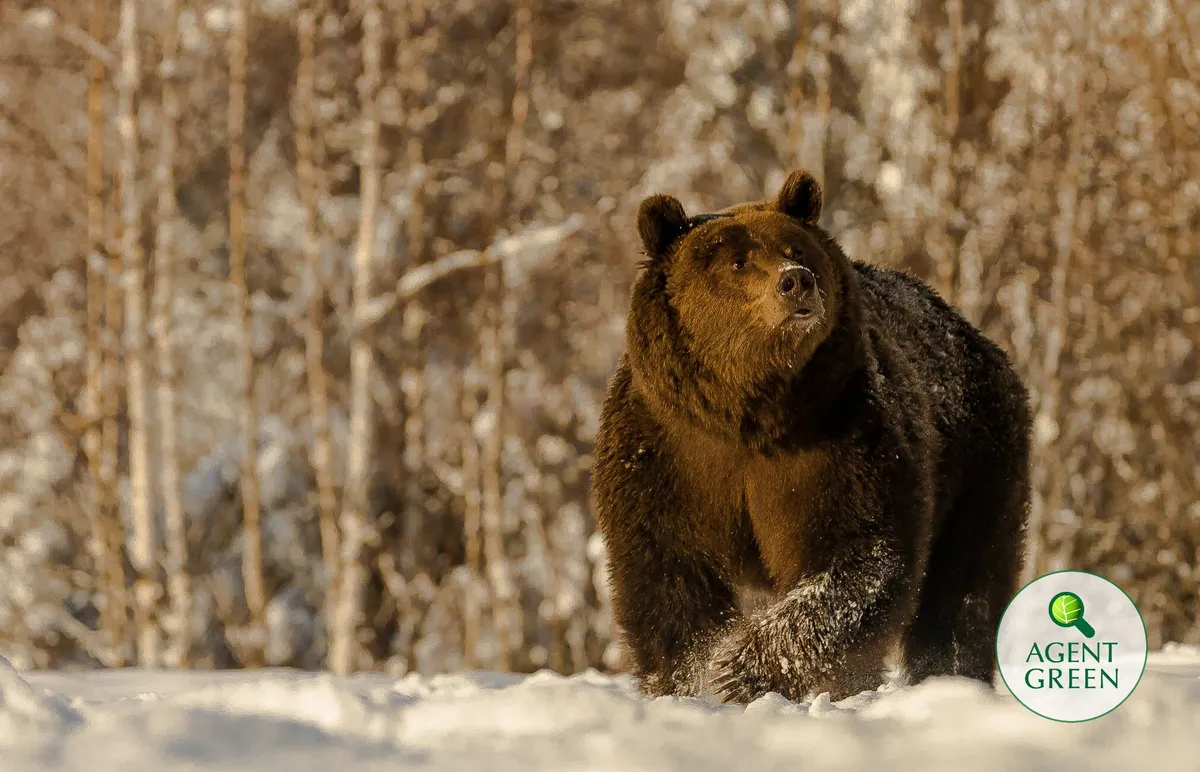
The brown bear (Ursus arctos) is an emblematic species for Romania, which the European Union strives to protect. Its survival is threatened by habitat degradation and fragmentation, low social acceptance among citizens and interest groups, and poaching. To ensure the species’ conservation, Ursus arctos is legally protected internationally and at European level, including through the Bern Convention and the EU Biodiversity Strategy.
The EU Habitats Directive requires Member States to create national action plans that ensure, on the basis of recent and accurate information, the management and maintenance of a favourable long-term conservation status for this species.
There are serious threats to bears’ survival (habitat destruction, human persecution, climate change, etc.), which justify extreme caution when granting derogations.
Any consideration of population control by lethal means or the use of other methods that could negatively affect bears’ survival must be treated with the utmost caution, given the range of threats facing brown bears. Brown bears must have safe habitats and avoid human persecution (Weaver et al., 1996, Estes et al., 2011, Ripple et al., 2014, Darimont et al., 2015). A brown bear needs a large habitat free from human conflicts to seek food, mates, shelter and den sites. An ideal brown bear habitat must provide an adequate distribution and abundance of food so that bears can develop harmoniously. Another critical threat to bears is the intrusion of motorized machinery into their habitats (Craighead 2002). It is unclear to what extent the proposed maximum quota takes these complex threats into account, and further study is needed to determine what is sustainable.
Furthermore, many researchers have argued that climate change will have harmful effects on bears by further altering the availability of food sources in their habitat. Their findings show that the Romanian government must take the impact of climate change on brown bears extremely seriously. For example, Bojarska and Selva (2012) conducted a global review of bear food selection in relation to geographical location (latitude, longitude, altitude) and numerous environmental variables, such as the duration and depth of snow cover.
They found that some of the “most important factors affecting brown bear food ecology” were “temperature and snow conditions” (Bojarska & Selva 2012). They determined that climate change could be expected to greatly influence brown bears’ feeding habits through changes in food availability, hibernation patterns, nutritional and energy requirements, and feeding behaviour. Rising global temperatures produce shorter winters with less snow, particularly at northern latitudes and high elevations (Sagarin & Micheli 2001, Wilmers & Post 2006). Early snowmelt substantially reduces the amount of food in late winter and spring, which is vital to bears after hibernation and until other food resources become available (Wilmers & Post 2006).
Climate change can affect brown bears’ feeding habits through changes in plant distribution and phenology. In response to higher temperatures, Rodriguez et al. (2007) demonstrated a long-term decline in the contribution of boreal and temperate food to brown bear diets during the hyperphagic season, when brown bears typically consume large quantities of fruit to build up fat for hibernation and successful reproduction. Changes in the timing and abundance of fruit, the gathering of fruit and acorns, and declining availability of higher-quality fruit can have important consequences for brown bear population dynamics (Rodriguez et al., 2007).
If the main food resources for brown bears disappear without a corresponding change in the timing of alternative food resources, a serious food shortage could arise. (Bojarska and Silva 2012, pp. 133-4). The scientific studies currently available make it clear that climate change threatens, and will continue to threaten, brown bears by adversely altering their habitat.
The proposed maximum quota of 10% (also practised until 2016 without reducing conflicts) far exceeds sustainable levels, given these additional complex threats and the absence of accurate population data (see the following points).
THE POPULATION ESTIMATES ON WHICH THE PROPOSED BROWN BEAR HUNTING QUOTA IS BASED ARE BIASED AND BIOLOGICALLY IMPLAUSIBLE.
Under the Action Plan for the Conservation of Romania’s Brown Bear Population, hunting large numbers of bears every year is proposed despite a lack of knowledge about the exact population size or other important population parameters, such as birth and mortality rates in Romania’s bear population. Natural population growth is a variable dependent on several factors that are difficult to predict and calculate (habitat quality, weather conditions, disease, poaching, etc.). A hunting quota exceeding the natural population growth rate would seriously contribute to the irreversible decline of brown bears in Romania and represents a direct threat to the species’ survival.
A study by Popescu et al. (2016) evaluated the “biological plausibility” of brown bear population estimates reported for setting harvest targets in Romania. Comparing growth rates of well-studied populations elsewhere in Europe with those claimed by wildlife managers in Romania, the researchers found that 22 of the 26 counties (84.6%) in Romania reporting brown bear populations had “unrealistically high population growth rates” in at least one year between 2005 and 2012. The frequency of overestimation over a seven-year period varied by county (Figure 1).
Figure 1. Taken from Popescu et al. 2016. Number of years in which estimated growth rates exceeded the maximum growth rates of other European populations.
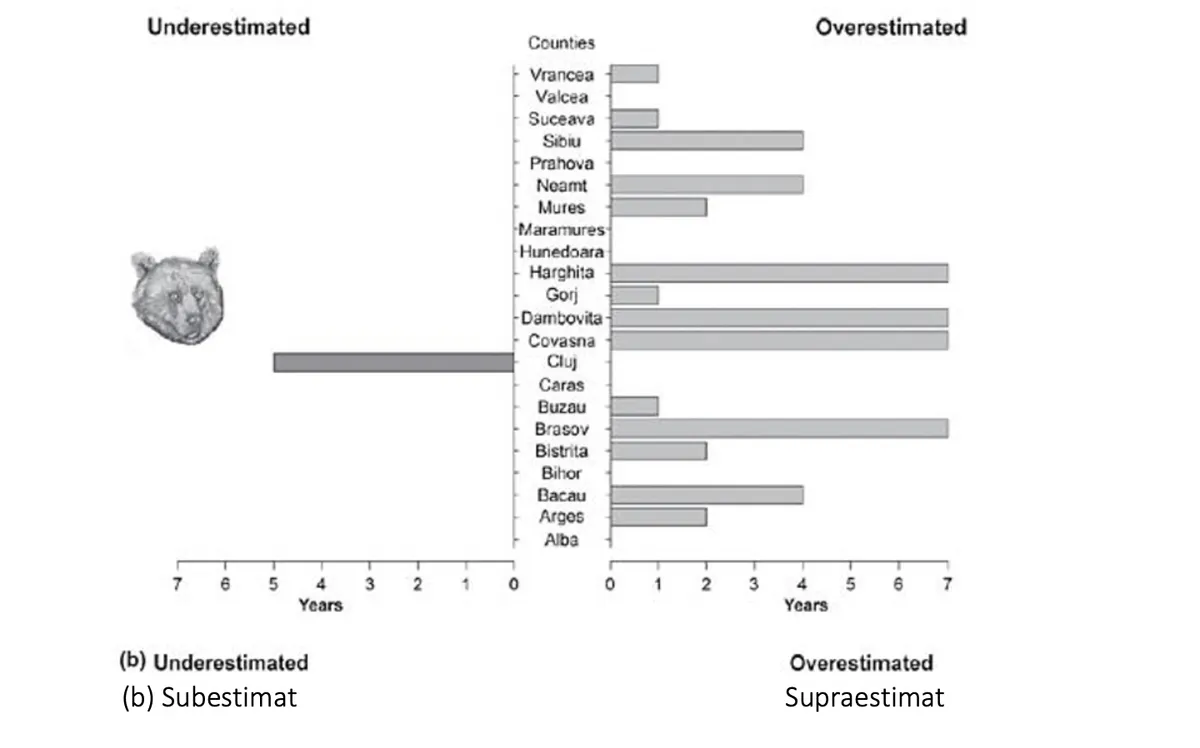
Furthermore, Popescu et al. (2016) found that population trajectories estimated from these unrealistic growth rates resulted in bear population sizes being overestimated in 32% of cases (Figure 2). For bears, the researchers also found a positive correlation between the magnitude of population overestimation and the number of bears hunted (in other words, the greater the overestimation, the more bears were hunted). The authors concluded that “Romania’s management systems have not demonstrated biological realism” and called for “a reassessment of the credibility of management systems subject to both data limitations and incentives for biased management approaches”.
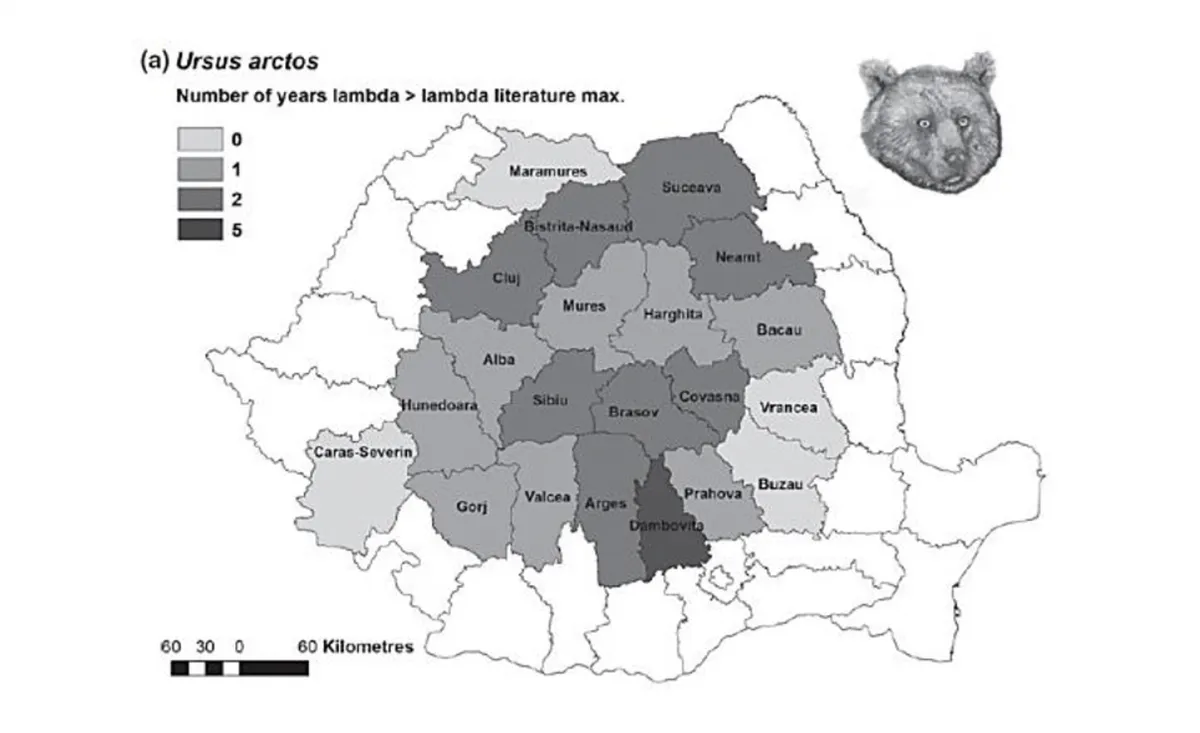
Figure 2. From Popescu et al. 2016. Number of years, out of a maximum of seven, in which bear population sizes were overestimated compared with population trajectories from other European populations studied over long periods.
Regarding bias, Popescu et al. (2016) point out that in Romania, “managers of public and private hunting grounds benefit from many of the revenues generated by hunting activities”. Furthermore, “harvest quotas are set on the basis of inflated estimates arising from data from surveillance, monitoring feeding stations and expert opinion, without accounting for uncertainty”, with “limited monitoring”.
Estimates of bear populations, which provide hunting ground managers with their largest source of income (~ 3500 EUR for trophies <350 CIC points and ~ 6000 EUR for trophies> 350 CIC points), were greatly exaggerated, and counties with the highest levels of bear hunting had the most biologically implausible estimates. Popescu et al. (2016) state that this suggests that “incentives other than carnivore ecology and demography may drive reported population estimates” and that management decisions are indeed partly driven by economic incentives rather than species biology. Popescu et al. (2016) state: “When managers who benefit from hunting are responsible for reporting high population numbers, there is a clear need for independent assessments of the truthfulness and biological plausibility of the high population estimates concerned”.
In conclusion, Popescu et al. (2016) infer that Romania’s large carnivore management system is “poorly supported by population data reported by hunting ground managers and that current hunting decisions are often based on biologically unrealistic population data”. Moreover, in Romania, “reported populations of U. arctos, but not C. lupus and L. lynx, are overly optimistic, and therefore setting hunting quotas based on these estimates could lead to a long-term impact on the population”. Consequently, if the proposed maximum quota was determined using inflated population estimates, it cannot be considered sustainable and must be dramatically reduced.
Furthermore, the data in Popescu et al. (2016) (Annex S2) from the Environment Ministry show that in 2011 (the most recent year reported), Transylvania alone contained 58.8% of the country’s total estimated number of bears (5,423 of 9,220) (Table 1). Popescu et al. (2016) consider these estimates to be biased overestimates not based on science (Figure 3). In addition, these data show that 64.2% of the annual brown bear hunting quota in 2011 (224 of 349) was allocated to counties in Transylvania. Finally, 74.9% of brown bears legally hunted in Romania in 2011 (182 of 243) were hunted in Transylvania.
Table 1: Brown bear population size, hunting quotas and number of bears legally hunted in counties in the Transylvania region, Romania. Data from Popescu et al. (2016), Annex S2.
| County | Population size | Hunting quota | Number legally hunted |
|---|---|---|---|
| Salaj | – | – | – |
| B.-Năsăud | 448 | 21 | 13 |
| Cluj | 97 | 3 | 1 |
| Mures | 545 | 38 | 32 |
| Harghita | 1289 | 49 | 48 |
| Hunedoara | 386 | 12 | 5 |
| Alba | 200 | 3 | 0 |
| Sibiu | 450 | 20 | 15 |
| Brasov | 941 | 41 | 31 |
| Covasna | 1067 | 37 | 37 |
| Total | 5423 | 224 | 182 |
Figure 3. The upper map is of Romania, showing the Transylvania region. The lower map is taken from Popescu et al. 2016, indicating the number of years in which estimated growth rates exceeded the maximum growth rates of other European populations.
Dorresteijn et al. (2014) studied brown bear coexistence with people in Transylvania, Romania. The researchers found that “bears and people coexisted relatively peacefully, despite occasional conflicts”. The key to this coexistence was: 1) the availability of forested areas connected to bear populations in the Carpathian Mountains; 2) the use of traditional livestock management to minimize damage caused by bears; and 3) a degree of tolerance among shepherds towards occasional conflict with bears.
Dorresteijn et al. found that bear activity was unrelated to human settlements, and compensation for livestock losses did not influence people’s attitudes towards bears.
These studies show that conflict between people and bears is low in the regions of Romania where hunting quotas and probably bear populations are highest. Clearly, claims that hunting is needed to address human–bear conflict in this region are false.
Under the EU Habitats Directive, lethal control management may be used by EU Member States only if no satisfactory alternative has been found.
Following Romania’s accession to the European Union and under Government Emergency Ordinance no. 57/2007 on protected areas, natural habitats, wild flora and fauna, as amended, and Council Directive 92/43/EEC on the conservation of natural habitats and wild fauna and flora (the Habitats Directive), the brown bear is legally protected, being designated a strictly protected species of Community interest. For these species, capture or killing in their natural environment is prohibited because deliberate disturbance occurs during breeding, rearing or hibernation; possession, transport, sale or trading of species taken from their environment are also prohibited.
Romanian legislation complies with the EU Habitats Directive, which grants Member States the right to use derogations allowing management control of nationally protected large carnivores to stop “serious damage” to livestock and crops and protect public health and safety, provided that “there is no satisfactory alternative and the derogation is not detrimental to maintaining the populations of the species concerned”[1].
Without relying on factual and scientific field data, the Action Plan for the Conservation of Romania’s Brown Bear Population considers that hunting can help mitigate conflicts and prevent damage.
Since Romania joined the European Union, hunting has been the only solution chosen by the government to prevent bear damage, while alternative measures such as electric fences or repellents have never been tested and implemented to protect people, farms and crops.
While experts and civil society have called for a scientific bear population census for several years, the authorities appear to have chosen to rely on figures supplied by hunters.
Non-lethal management measures are effective and relevant for resolving human–bear conflicts, while hunting can often undermine conflict mitigation and species conservation.
Non-lethal mitigation is necessary before resorting to harvesting, relocation or lethal capture of bears. It is essential that non-lethal mitigation techniques be exhausted before animals are harvested or lethally captured.
Some effective non-lethal mitigation techniques include electric fencing around beehives and areas with poultry and cattle with young, programmes to collect and dispose of animal carcasses, bear-proof rubbish storage facilities, and rules on carrying pepper spray and properly collecting the remains of animals killed by hunters. We also believe that efforts to educate and assist affected livestock owners may be more effective in reducing human–wildlife conflict over the long term than lethal wildlife control.
Indeed, we note that the effectiveness of lethal methods aimed at population management has never been scientifically demonstrated. Treves et al. (2016) stated that lethal methods are often implemented without considering experimental evidence of their effectiveness in mitigating threats associated with wildlife attacks or avoiding ecological degradation. This study recommended that “policymakers suspend predator control efforts for which there is no evidence demonstrating functional effectiveness and that scientists focus on rigorous standards of evidence in predator control tests”.
It is absolutely essential that co-adaptation and coexistence measures take priority before resorting to the harvesting and lethal capture of brown bears.
THE NEED FOR BETTER BEAR POPULATION MANAGEMENT AND RESOLUTION OF HUMAN–BEAR CONFLICTS SHOULD NOT BE USED AS EXCUSES TO SERVE THE COMMERCIAL INTERESTS OF THE TROPHY HUNTING INDUSTRY.
We are deeply concerned that the ministry’s Action Plan aims to manage brown bear populations and mitigate conflicts using exclusively lethal measures over the next 10 years.
Among other actions, this Action Plan describes:
-
Hunting as a measure for managing Romania’s brown bear population (provisions: removal of the population surplus by sex and age class through specific hunting actions to take place annually during hunting seasons, at a maximum intervention level up to the rate of natural growth and even beyond it.)
-
Hunting as a measure to prevent disputes and damage (provisions: this measure will be implemented throughout the year in areas where damage and disputes have been recorded).
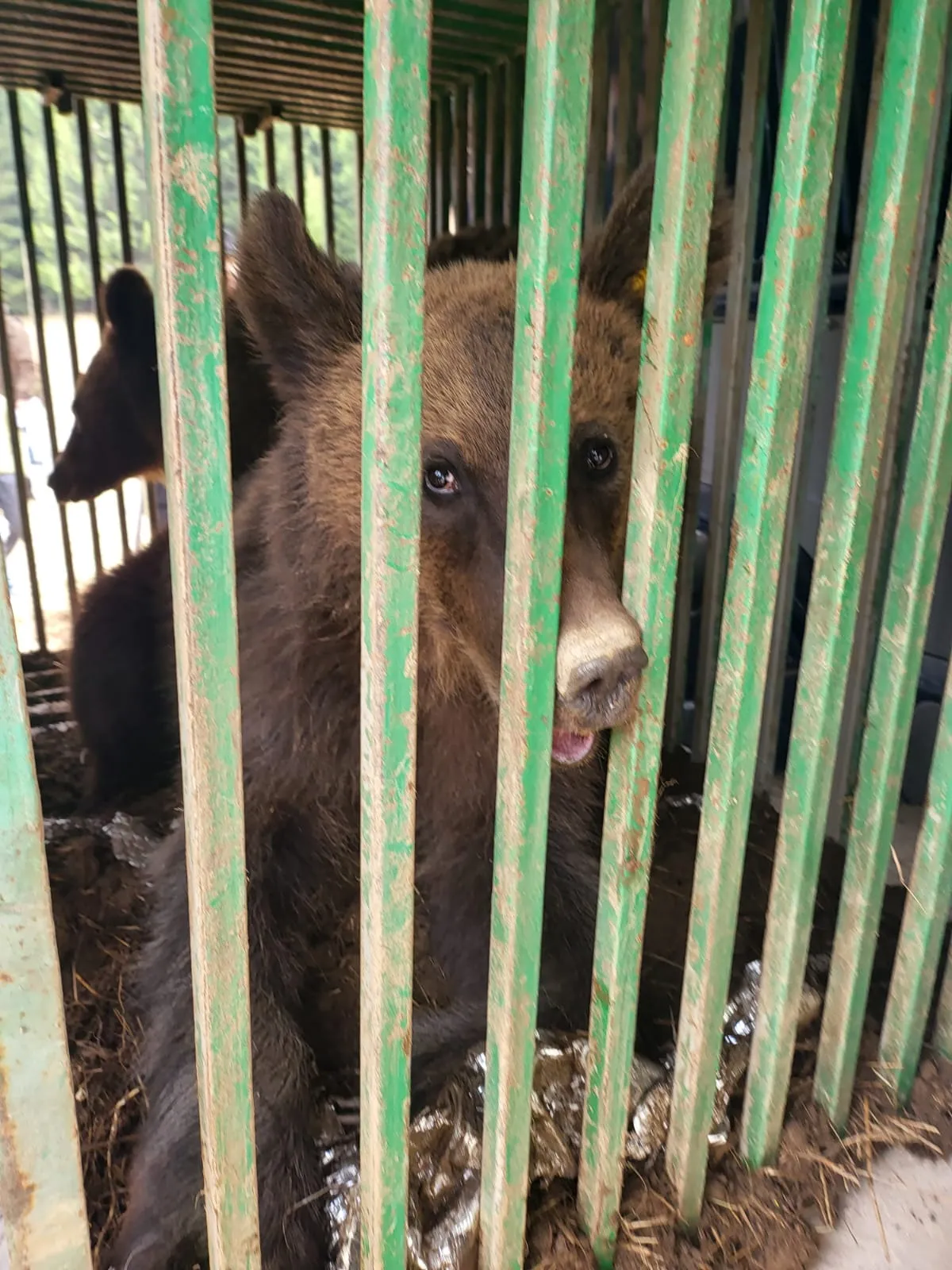
In addition to opposing the inclusion of hunting in the Action Plan as the only measure to manage the brown bear population and prevent disputes and damage, we also recommend that harvesting, relocation and capture of bears be carried out only by an official technician authorized by the Government, and that any other individual be prevented from killing or capturing these protected animals for trophies.
Certain characteristics of brown bears’ social structure and life cycle make them particularly sensitive to hunting and lethal population control.
Brown bears are large carnivores whose population is dispersed over extensive areas; they produce few offspring, provide extended parental care for their cubs, and their resilience is promoted by social stability. See, for example, Weaver et al. 1996, Wielgus et al. 2013, Creel et al. 2015, Wallach et al. 2015. Human persecution affects their social structure (Darimont et al., 2009, Wielgus et al., 2013, Bryan et al., 2014, Wallach et al., 2015) and influences their resilience (Wielgus et al., 2013, Zedrosser et al., 2013, Darimont et al., 2015). The consequence of these characteristics is that the effect of human persecution on brown bears is “super-additive”, meaning that killing through hunting results in mortality beyond a simple 1:1 ratio and generates pressures on the population far exceeding what would occur in nature (Wielgus et al., 2013, Darimont et al., 2015, Gosselin et al., 2015).
Bear hunting and lethal population control directly affect population growth rates through increased mortality and have devastating indirect effects, such as disruption of a population’s sex and age structure (Wielgus et al., 2013, Gosselin et al., 2015). Gosselin et al. state that “in species exhibiting sexually selected infanticide (SSI), hunting can reduce cub survival by increasing male turnover”. Studies show that hunting-induced mortality in particular can negatively affect species’ social organization because it promotes male turnover and thus increases sexually selected infanticide of deceased male cubs. Gosselin et al., 2015, p. 1.
We are therefore concerned about the negative impact on bears’ social structure and life cycle that actions taken under the Environment Ministry’s Action Plan will have on Romania’s bear population.
Co-adaptation and coexistence with Romania’s brown bears are essential for the safety of the human population, animals and agriculture.
We recommend that the Environment Ministry’s Action Plan firmly require co-adaptation and coexistence with Romania’s brown bears. Co-adaptation and coexistence must occur if we want bears to continue to exist; this means people must be willing to share habitat and tolerate the low level of risk they pose (Dubois et al., 2017, Carter and Linnell, 2016, Chapron, Guillaume et al., 2016). People must counter their own tendency to act as a “super-predator” of other species and their habitats (Darimont et al., 2015, Chapron and López-Bao, 2016).
In 2015, a group of academics, industry representatives and nongovernmental organizations from five continents met at a 2-day workshop to develop the first international principles for ethical decision-making in wildlife control. The group’s findings were published and are summarized as follows:
“They determined that wildlife control efforts should begin wherever possible by modifying human practices that cause human–wildlife conflict and developing a culture of coexistence; that significant harm to people, property, livelihoods, ecosystems and/or other animals must be justified by evidence; that there should be measurable, outcome-based objectives that are clear, achievable, monitored and adaptable; that foreseeable reductions in animal welfare should affect the smallest number of animals; that efforts should be informed by community values as well as scientific, technical and practical information; that they should be integrated into systematic long-term management plans; and that they should be based on the specifics of the situation rather than negative labels (harmful, too numerous) applied to target species. We recommend that these principles guide the development of standards and decisions and the implementation of international, national and local standards” (Dubois et al., 2017).
We recognize that living with bears can be difficult in rural areas. When property is damaged (including homes, crops, livestock, commercial forestry, etc.), compensation should be delivered promptly with the help of local authorities. This will improve people’s tolerance of bears, reducing the risk and frequency of retaliatory poaching.
In extreme situations where bears truly pose a risk to the human population and/or its property, the Environment Ministry should have an Emergency Plan (at national or administrative level) enabling it to intervene case by case to eliminate dangerous situations. This Emergency Plan should be definitively separate from any harvest quotas that might be allocated to managers and should clearly state that its specific and sole purpose is to address extreme cases. Trophies from approved interventions should not be subject to commercial transactions, thereby preventing fraudulent killing of bears disguised as emergencies.
We therefore consider it necessary for state authorities to establish specific conservation objectives based on environmental, social and economic objectives — the basis for up-to-date and timely information about species. Decision-making transparency and predictability in setting the proposed objectives, measures and actions are necessary to facilitate cooperation among stakeholders. Only in this way is it possible to facilitate not only the maintenance of a balanced social climate but also the maintenance of an ethical, non-discretionary framework in Romania’s brown bear population management system.
Furthermore, we support proposals for studies of the impact of mushroom and wild fruit gathering on the brown bear population and for determining brown bears’ impact on prey species (red deer, roe deer, wild boar), with implications for hunting and the agricultural and forestry sectors. However, we would recommend that such studies be conducted by independent agencies to ensure their results are not biased to serve private interests.
[1] https://eur-lex.europa.eu/legal-content/EN/TXT/?uri=CELEX:31992L0043
In conclusion, please remove wolves and bears from the category of national risks and send us your written response at office@agentgreen.org and gabriel.paun@agentgreen.org
Yours sincerely,
Gabriel PAUN
President
AGENT GREEN