The lost garden
The reportage “Grădina pierdută”, by Cătălin Manole in Formula AS on 25 May 2020, traces the history of the Perieți Model Farm and the family who built it. The account below summarises the original material, preserved through the link to Formula AS.
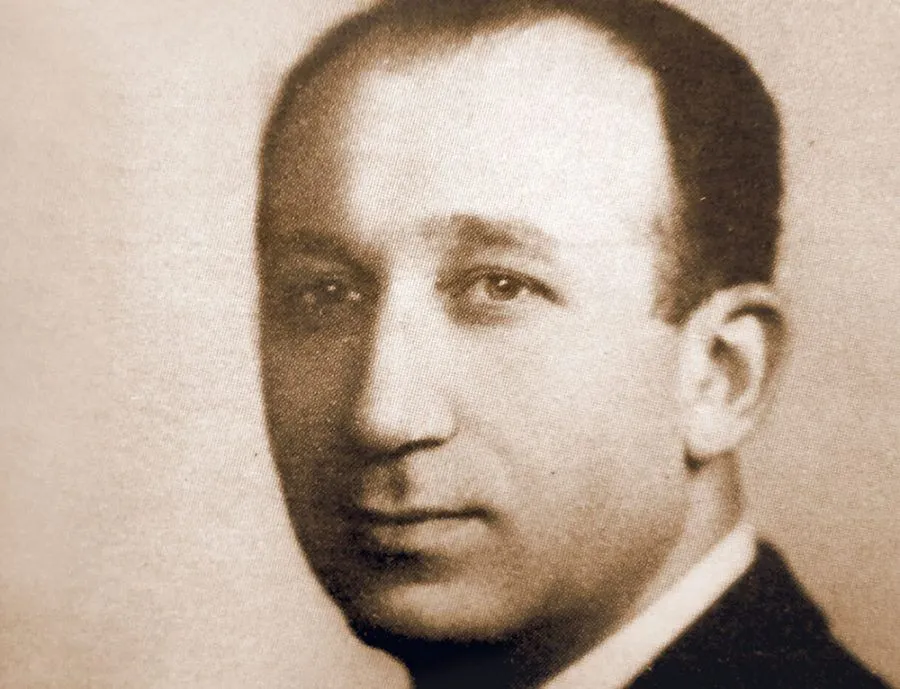
Aureliu Popescu in 1934 — identification from the original reportage’s caption.
The lady and the master
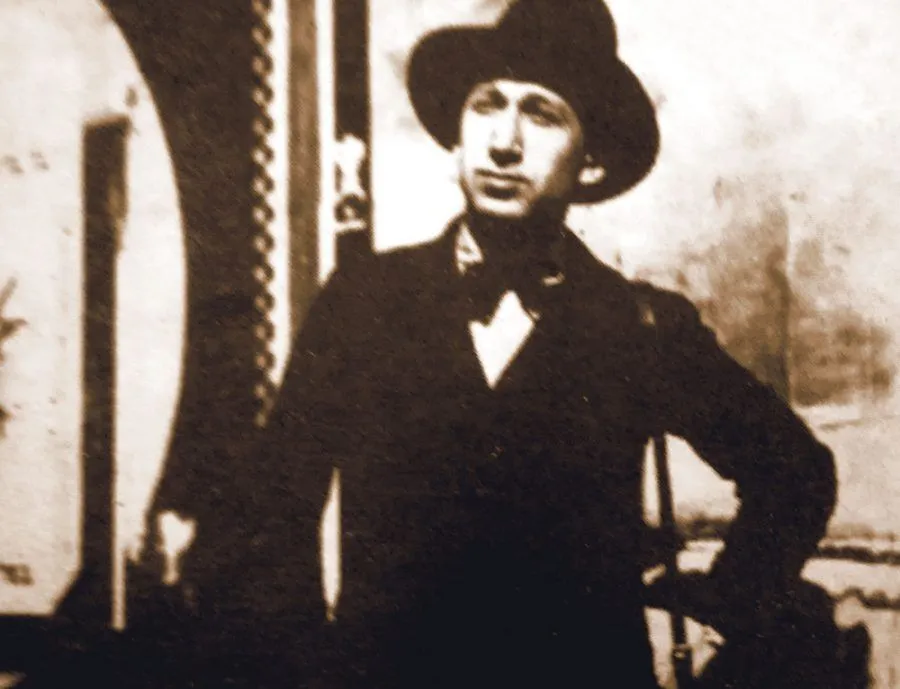
Aurel Popescu, Rockefeller Foundation scholar at Columbia University — original caption.
The author reconstructs Aurel Popescu’s decision in 1934 to devote himself to a 400-hectare property in the Bărăgan, although his career was that of a senior civil servant. He recalls the studies and scholarships obtained in London and the United States, the work through which Aurel supported his education and his activities representing Romania economically.
The farm’s story is linked to his relationship with Lelia Urdărianu, a painter who inherited the property from her first husband, Dr Ion Stoianovici. In the account, their life at Perieți combines farming, painting, music and creating a flower garden. Ileana, Lelia’s daughter from her first marriage, is also mentioned, along with the family’s cultural and diplomatic connections.
The glory years
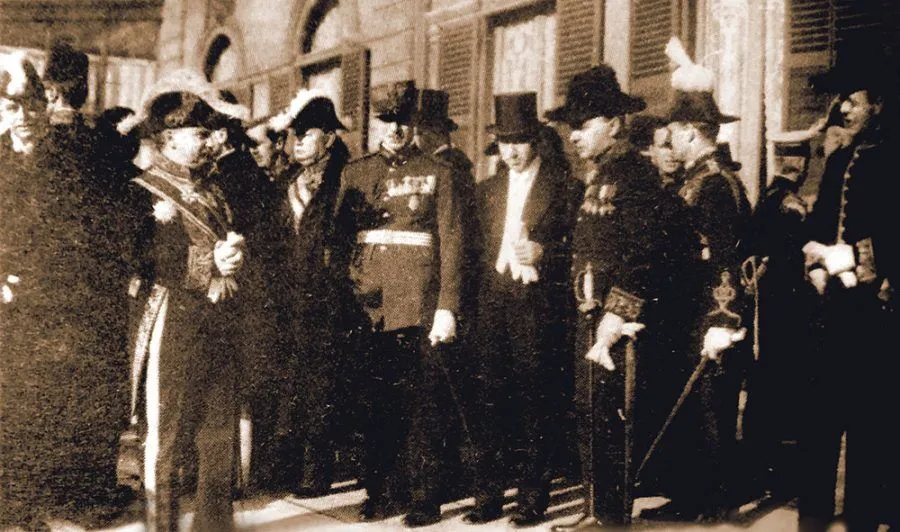
Aurel Popescu, in the centre wearing a top hat, commercial attaché and economic adviser to the Romanian Legation in Paris — original caption.
The material describes the farm’s development through loans, Lelia’s help, collaboration with professors and agricultural engineers, visits to European farms and years of seed selection. It presents the cultivation of more than 80 vegetable varieties, separating crops to preserve purity, and using cereals and acacia shelterbelts for protection.
The reportage credits the farm with an important role in producing and selling vegetable seeds, including abroad, and recalls Aurel’s interest in what the text calls organic products today. More than 200 peasants worked there, attracted in part by the pay. Fruit, vines, beehives and animals helped support the household and workers. Beyond production, Aurel envisaged developing vegetable growing in the Bărăgan, publications for growers, school gardens and practical training for young agricultural engineers.
A day at the Perieți Model Farm
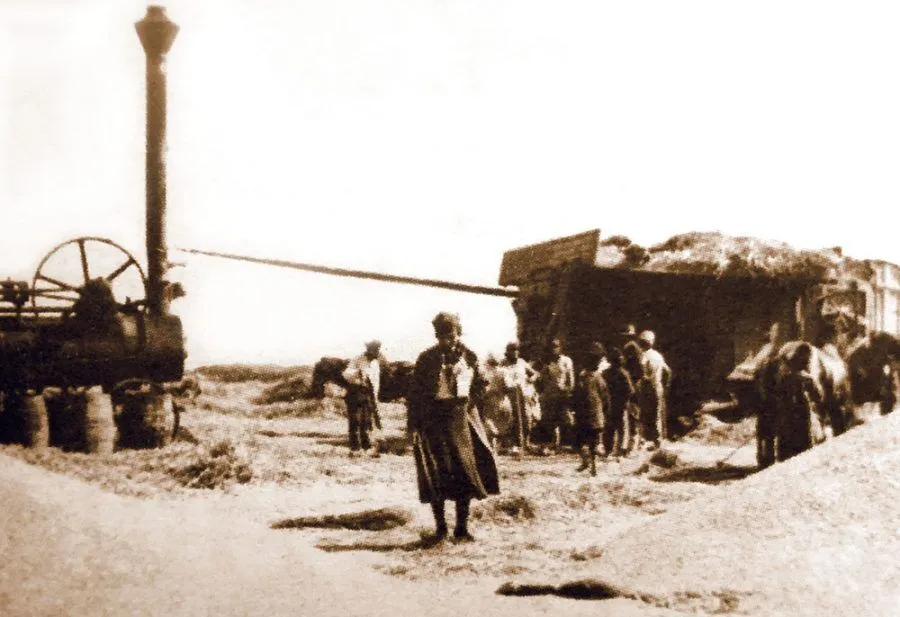
A meal break beside the threshing machine in 1936 — original caption.
A substantial part of the article reconstructs daily life: working with tractors, running the house, the garden with hundreds of kinds of iris and Lelia’s music. At the heart of these scenes are Leana, the cook Irma and young Manda, who had been entrusted with the house keys. Ileana’s romantic stories, visits from Bucharest and the family’s generosity towards villagers are discreetly recalled, through parties, christenings, clothing and footwear offered to those in need.
The landowning beast
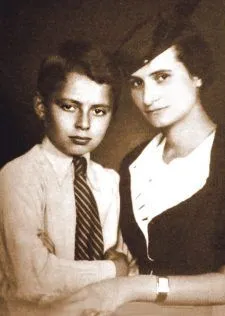
Lelia and her son Șerban in 1935 — original caption.
Through Manda’s memories, the reportage describes the farm’s destruction in 1948–1949: pressure on Ileana, her flight, the devastation of the buildings and the taking of belongings. The author traces the contrast between the support previously given to the village and the violence later directed against the family.
The text recounts Aurel’s sentence to eight years of labour on the canal, his release after seven years and his subsequent work as a house painter, although his knowledge of English was still called upon. It recalls his death in 1967 and the payments still demanded of Lelia in connection with foreign currency that the authorities claimed Aurel had disposed of.
The ruins
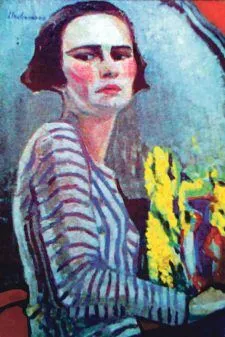
Self-portrait — identification of the painting in the original material.
The ending returns to the deteriorated farm: damaged buildings, Lelia’s covered-over fresco and thefts of materials. Lelia, who never returned to Perieți, is recalled painting into old age. The article ends with Ileana’s recovery of the land and the farm’s inclusion in the national heritage, leaving open the themes of memory and recovering an agricultural model.
Source of the reportage and photographic identifications: Cătălin Manole, Formula AS, “Grădina pierdută”, 25 May 2020.