The EU’s recovery and resilience plans — a threat to nature
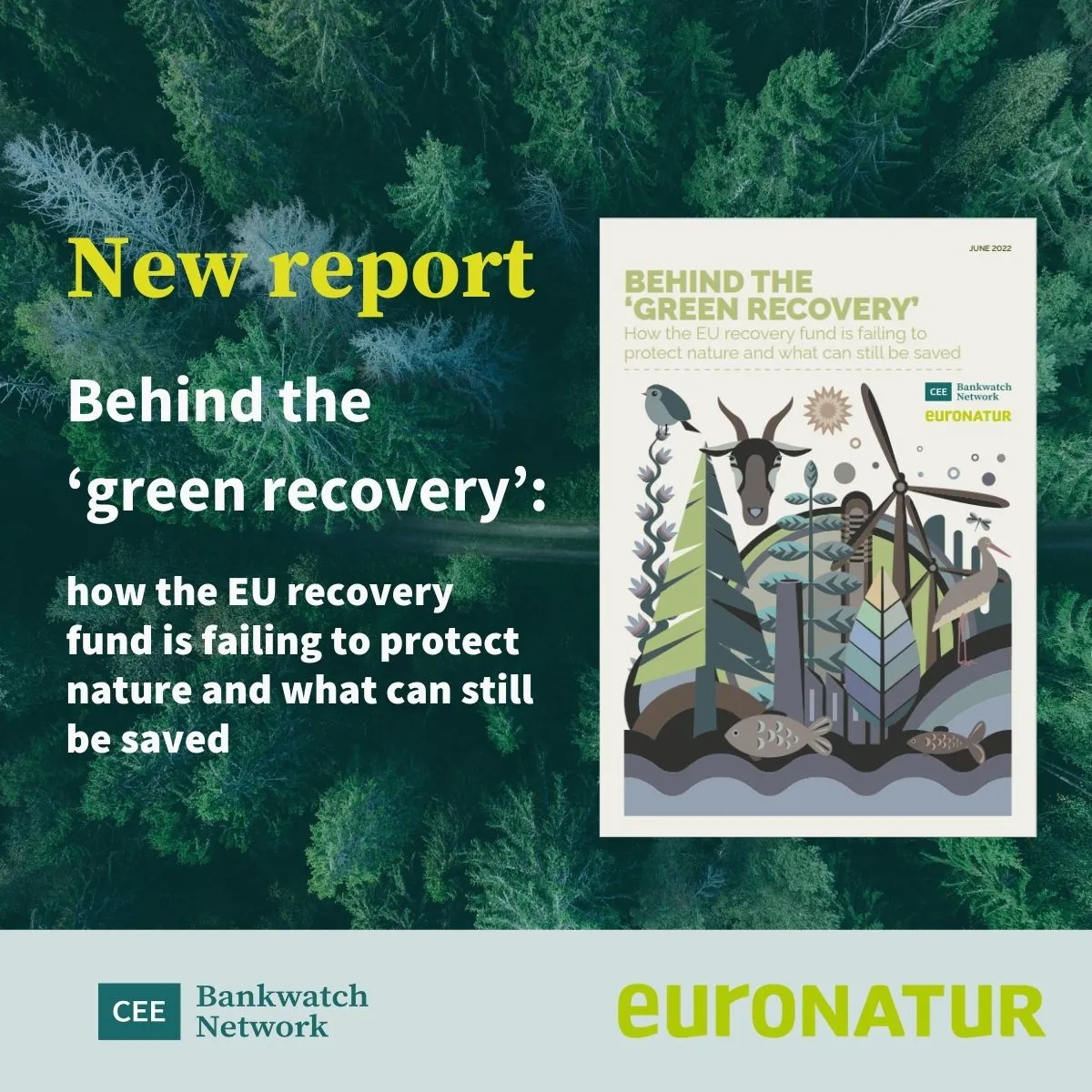
The European Commission claims that the Recovery and Resilience Fund — EUR 672.5 billion — will deliver a “green recovery” across Europe. Yet it is not only failing to protect and restore nature, but may even increase the damage to it, according to a new Bankwatch and EuroNatur report published today and produced in partnership with Agent Green and other EU nature protection organisations.
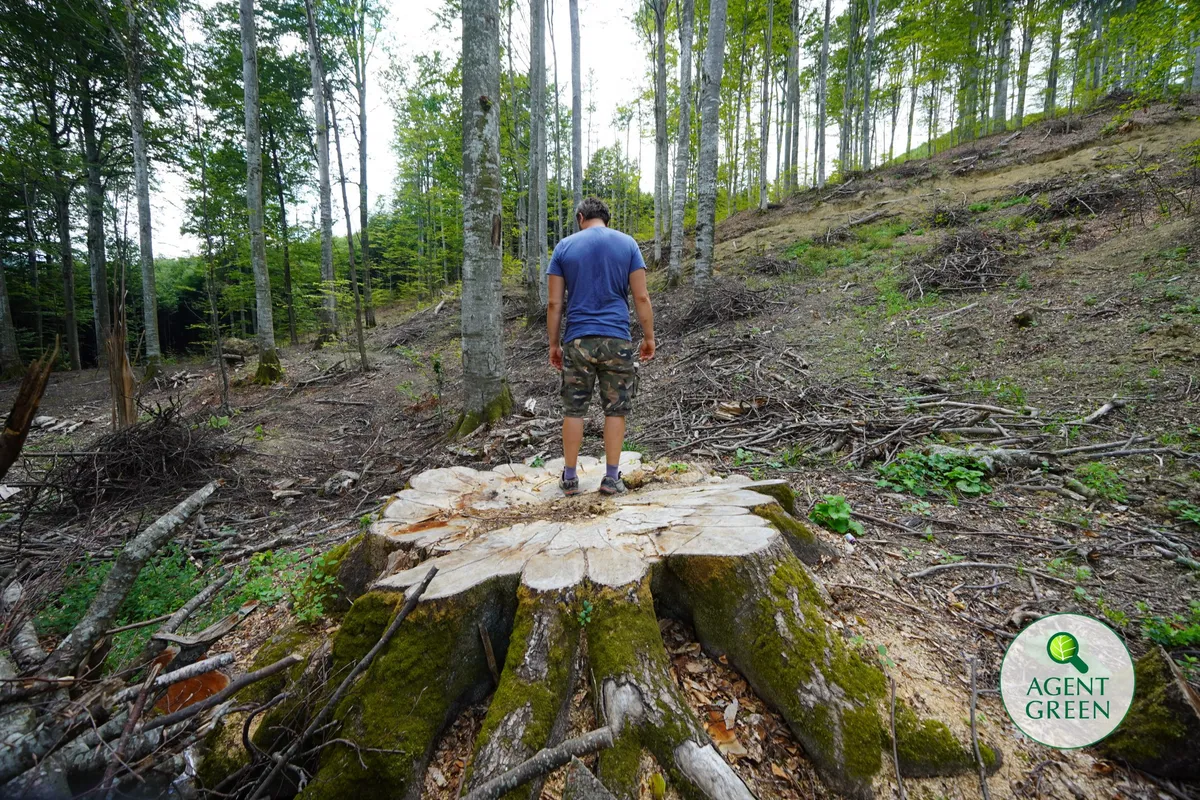
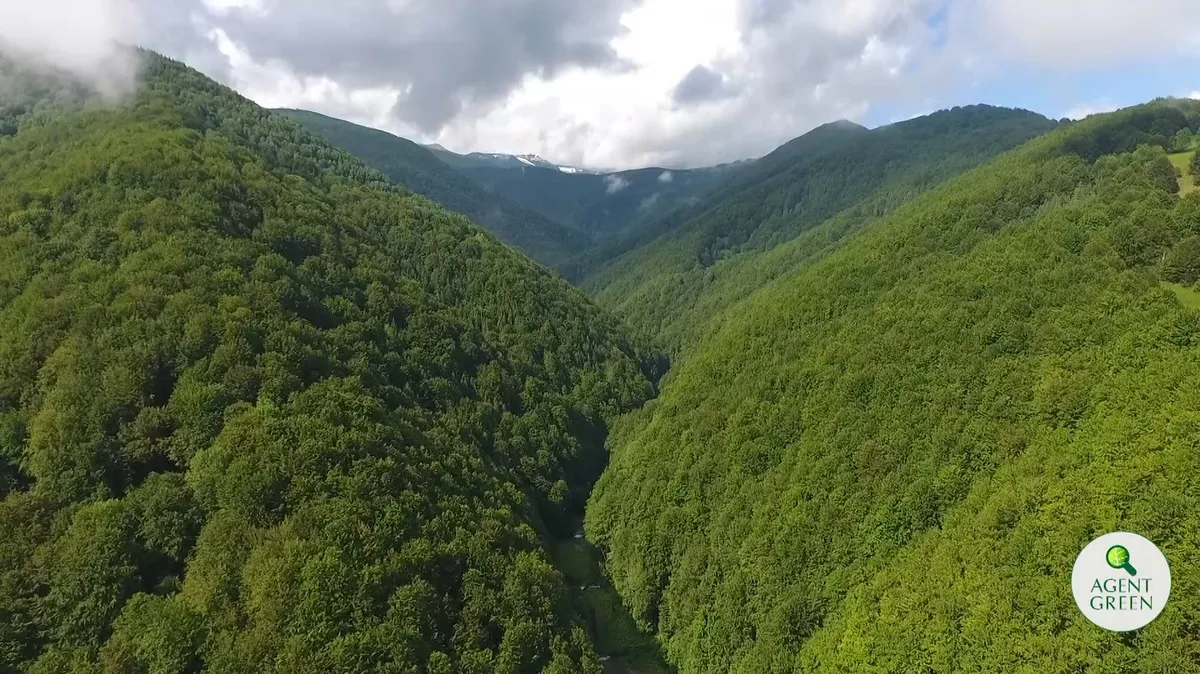
The report for Romania (PDF in Romanian) shows that planned afforestation and reforestation measures make little sense unless accompanied by measures to stop illegal and unsustainable logging, improve law enforcement and eliminate corruption throughout the sector.
Veronica Tulpan, Agent Green campaigns coordinator: “730 million euros for afforesting or reforesting 56,700 hectares is the amount the Environment Ministry and Romsilva will receive through the National Recovery and Resilience Plan (PNRR). We have serious doubts that these European funds will achieve their purpose, given evidence that sums allocated to such campaigns have simply disappeared without a single sapling being planted. Even if used correctly, this money could have planted 3 million hectares of new forests. Certainly not just 0.056 million hectares.”
The report for the EU (PDF in English) reveals the failure of EU recovery funds to address the biodiversity crisis — one of today’s greatest crises — and exposes investments and reforms harmful to biodiversity in the recovery plans of nine Central and Eastern European countries.
Daniel Thomson, EU biodiversity policy officer at CEE Bankwatch Network, said: “Billions of euros in public recovery funds are now being disbursed, but we still do not know all the details of what is actually being financed. At first glance, many projects may appear harmless, or even beneficial, to nature. But dig a little deeper and you discover a new wave of funding that harms biodiversity and will have consequences for years to come.”
The alarming state of biodiversity in the EU requires immediate action, and the EU funds currently available offer a unique opportunity to address this crisis. The EU Biodiversity Strategy states that at least 20 billion euros a year are needed to combat biodiversity loss. Yet less than 1% of recovery fund spending has been allocated to nature protection or restoration projects essential to achieving the strategy’s goals. Worse still, some recovery-plan projects are likely to cause further harm to biodiversity.
Thomas Freisinger, EU policy officer at EuroNatur, said: “Member States had a unique opportunity to make this recovery a turning point in addressing biodiversity loss. Instead, they opted for business as usual. The Commission must create the incentives and safeguards needed for real change.”
In Bulgaria and Latvia, projects aimed at increasing renewable energy highlight the potential conflict between climate action and biodiversity, underscoring the need for adequate environmental safeguards.
Similarly, water management projects in Hungary, Croatia, Latvia and Poland will support the construction of reservoirs, pumping stations and canals, often in highly sensitive areas, including Natura 2000 sites. Cases in Slovenia, Estonia, Czechia and Romania show how forestry projects that look positive at first glance will instead most likely encourage even more intensive logging.
Many projects approved through recovery and resilience plans were planned and negotiated behind closed doors, without detailed information or an adequate assessment of their effects on nature. Potential harm to biodiversity cannot be reversed, and these examples show why and how EU funding must be biodiversity-proofed. Investment decisions taken today will have profound consequences in the years ahead.
Contacts:
Veronica Tulpan
Campaigns coordinator
Agent Green
veronica.tulpan@agentgreen.org
Daniel Thomson
EU biodiversity policy officer
CEE Bankwatch Network
daniel.thomson@bankwatch.org
Thomas Freisinger
EU policy officer
EuroNatur
thomas.freisinger@euronatur.org
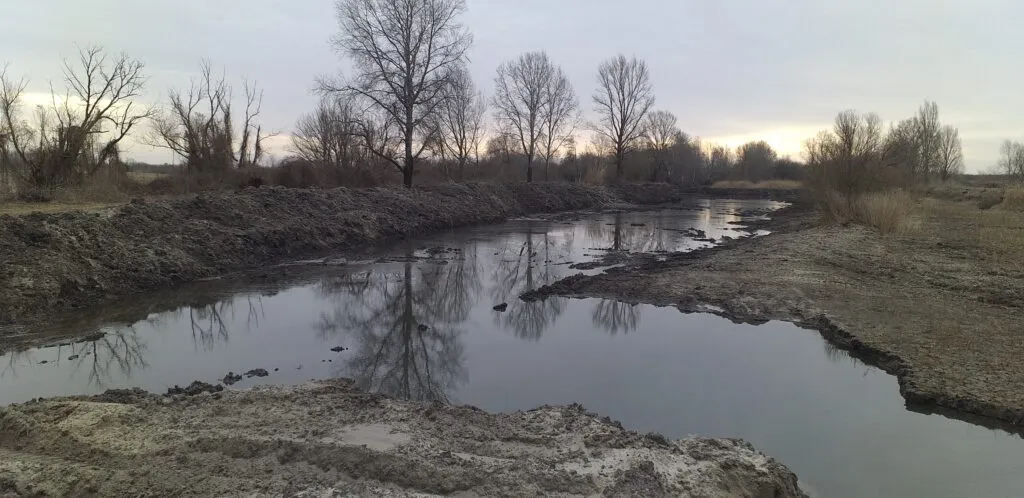
Hungary — Example of a small-scale project to tackle water scarcity. Dongér-Kelőér Vize Egyesület
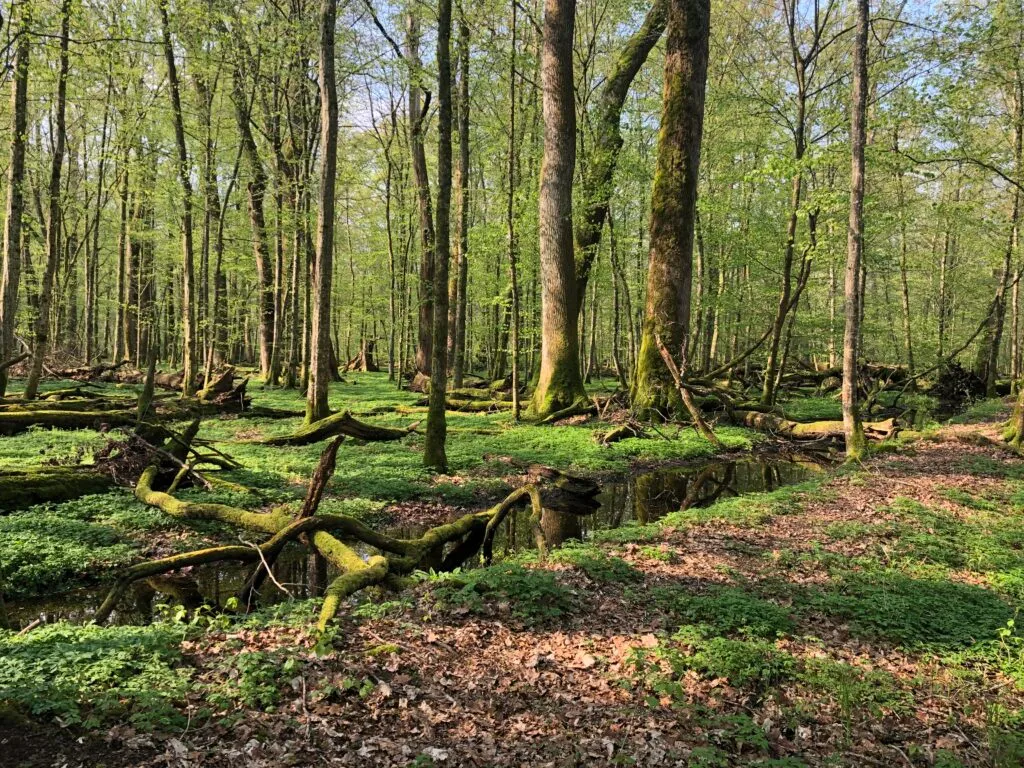
Slovenia — Primary forest in the Natura 2000 SPA Krakovski gozd site. Alen Ploj
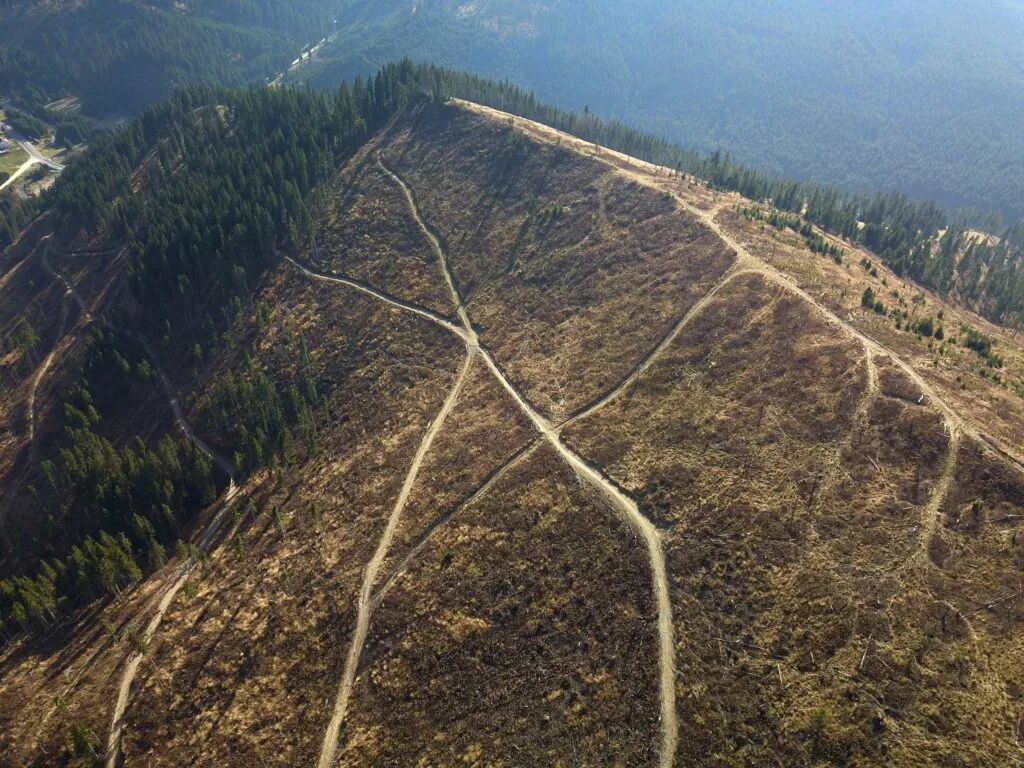
Romania — Clearcut logging in the Maramureș Natural Park Natura 2000 site. Agent Green
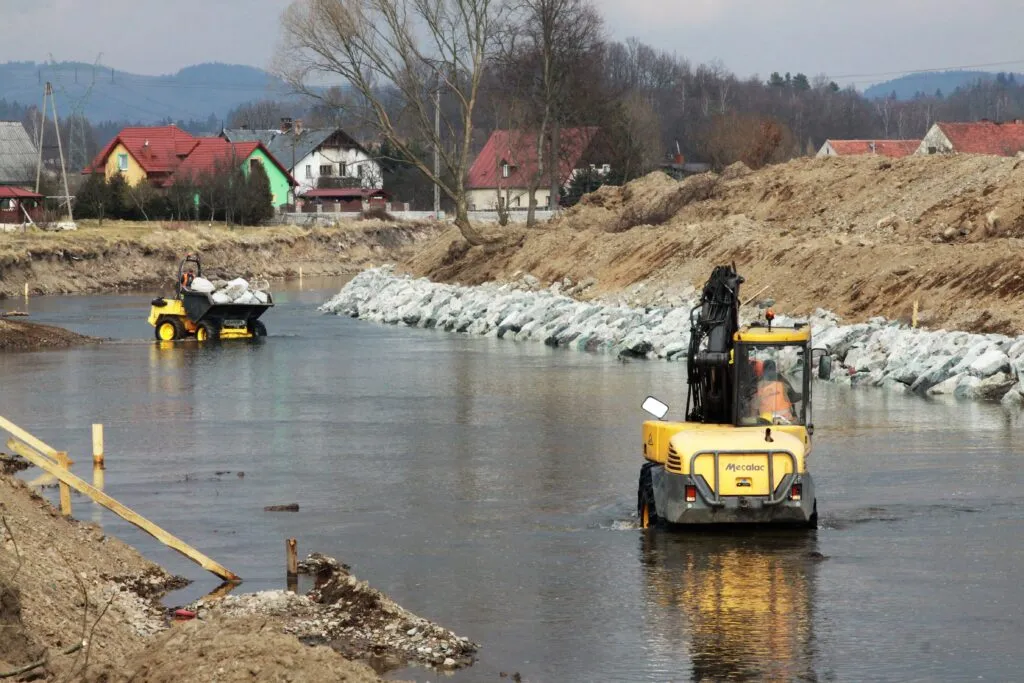
Poland — Regulation of the Bóbr River, which destroyed the habitat of trout and the protected European bullhead species. WWF Polska
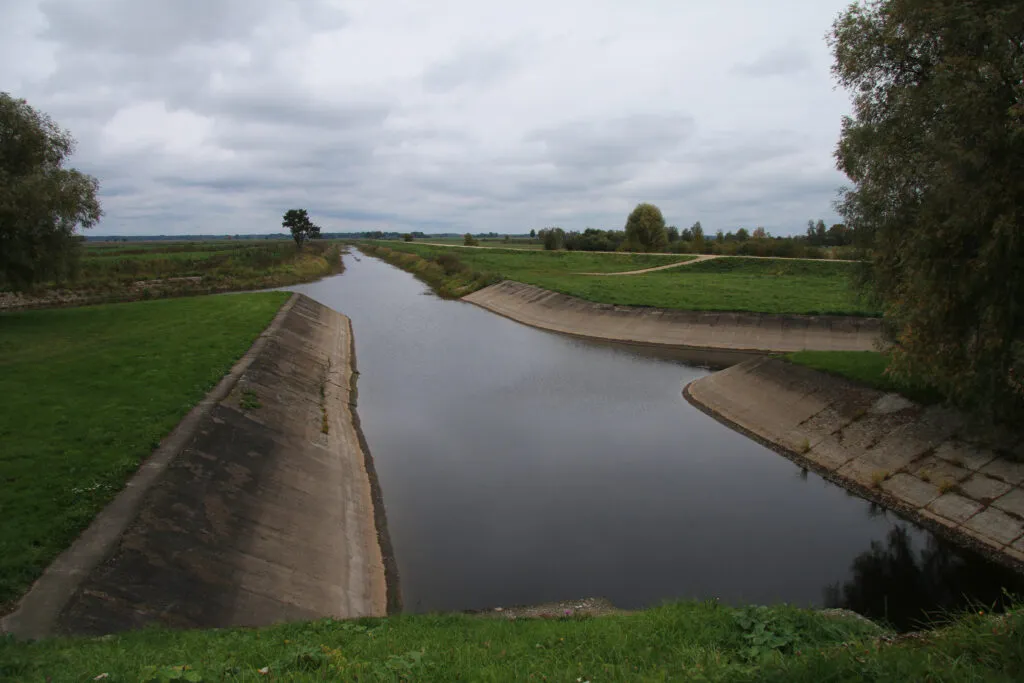
Latvia — Example of a similar flood prevention measure near the boundary of a Natura 2000 site. Ilze Priedniece
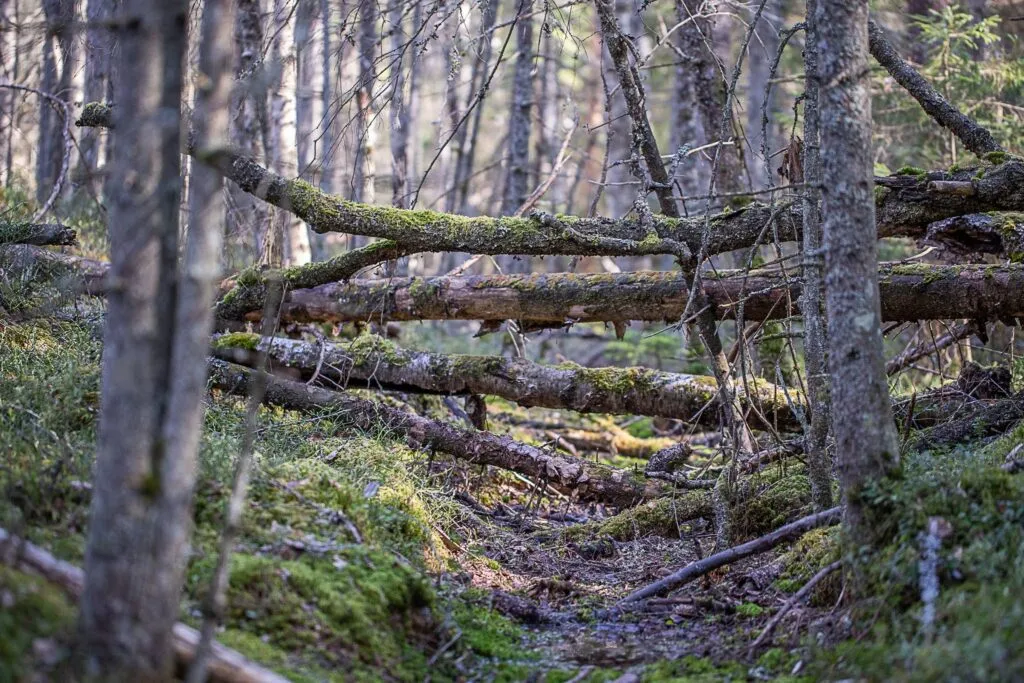
Estonia — Biodiversity-rich forest habitat in the Paunküla Landscape Conservation Area. Katre Liiv
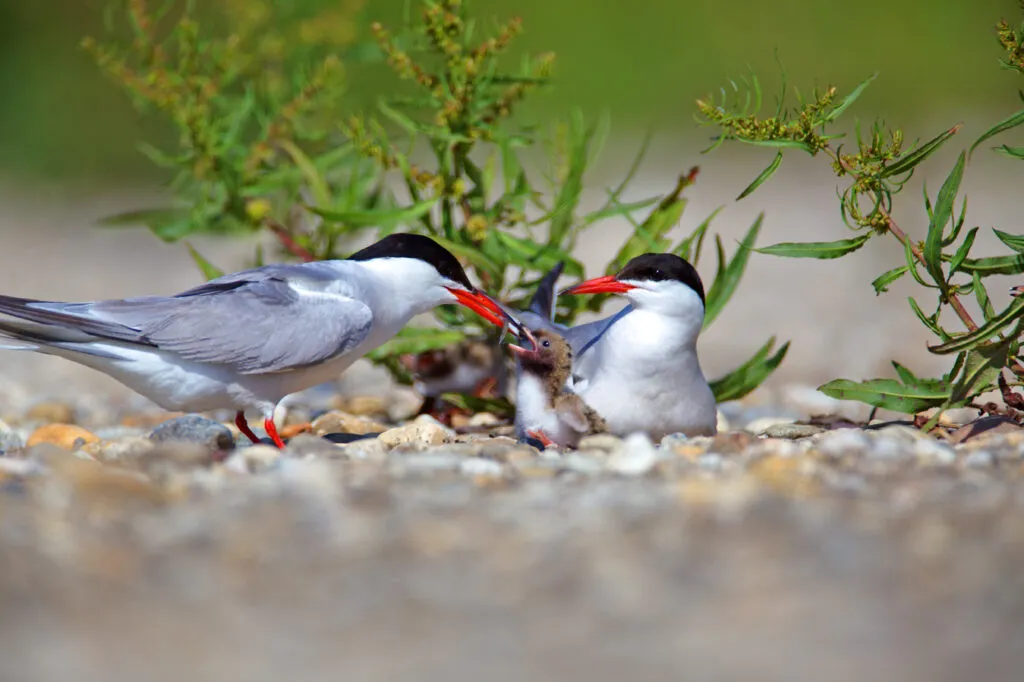
Croatia — Common tern breeding on a gravel bank. Goran Safarek
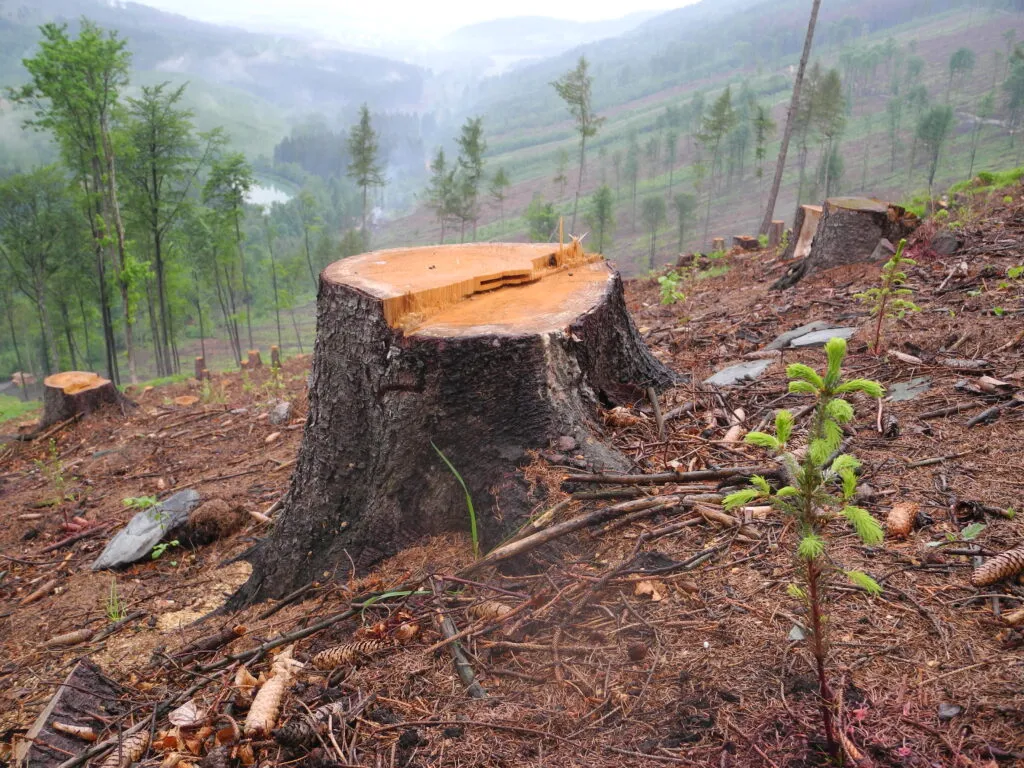
Czechia — Spruce logging. Hnutí Duha
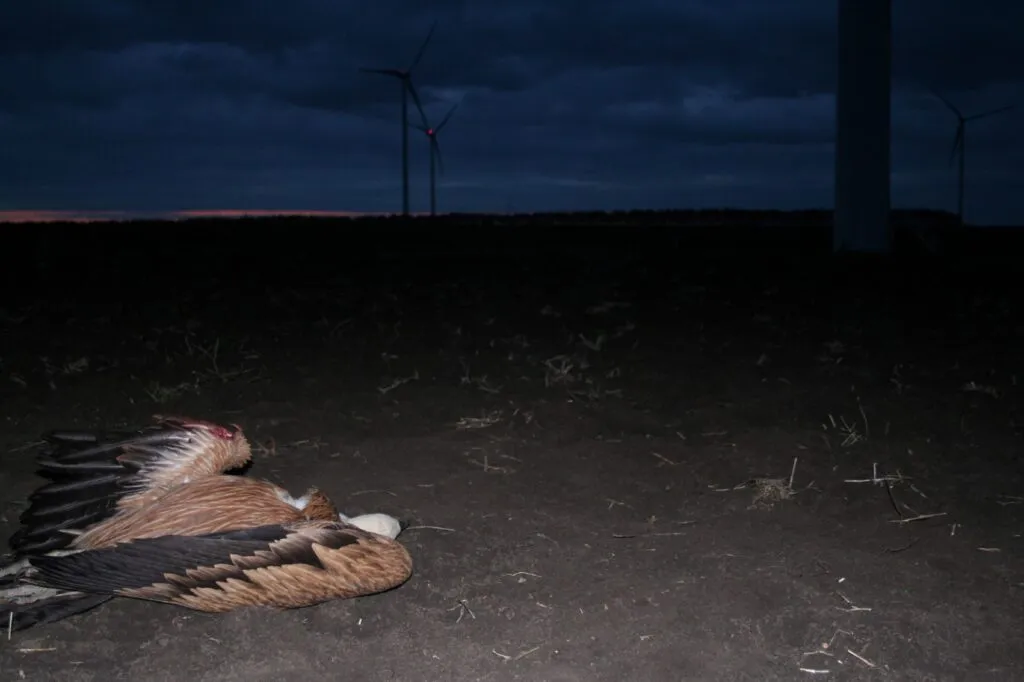
Bulgaria — Griffon vulture, Kaliakra. Chavdar Nikolov / BSPB
Related articles
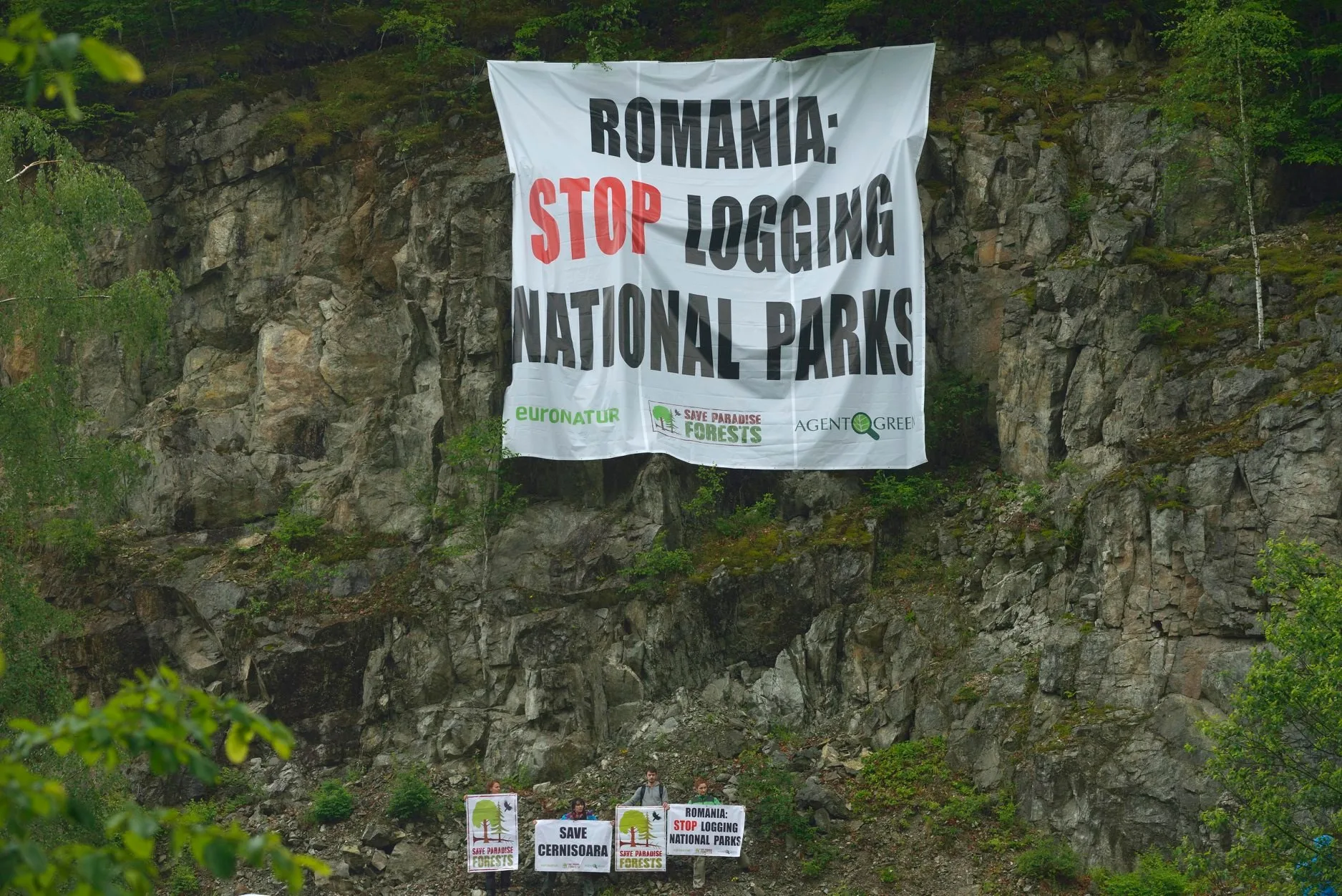
European Court of Auditors audits nature protection in Romania
Dozens of major national and international organizations notify the European Commission about the Romanian Environment Ministry’s unprecedented attack on biodiversity