POSITION PAPER
The deposit-return system for beverage containers
The deposit-return system is one of the solutions needed to prevent a significant quantity of natural resources from being used only once and then ending up in landfill, being incinerated or polluting nature. In deposit-return systems, consumers pay a deposit for the container of the product they buy, which is refunded when they return the container to a return point.
By implementing a deposit-return system and creating financial incentives for consumers, local and central authorities in several countries have managed to increase separate collection and recycling rates. The deposit-return system was introduced into Romanian legislation through OUG 74/2018, approved by Law 31/2019. Obligations concerning reusable containers were included, combined with an annual increase of 5% in the share of reusable packaging placed on the market, which must cumulatively reach 30% by 2025. The signatory organisations propose supplementing the legislation in force since 2018 and setting a long-term target of 55% by 2030 for reusable packaging sold by retailers. An optimally implemented deposit-return system has the potential to reduce waste imports for the recycling industry, develop Romania’s secondary raw materials market and create local economic opportunities. Experience in other countries has shown that it is possible to close the loop for recyclable materials nationally and locally and ensure independence of material supplies.
Unfortunately, the legislation that would implement a deposit-return system meeting European standards is in danger. This is the draft Government Decision which, in short, means that customers pay a deposit on some products they buy and receive it back when they take the packaging back to the shop. A European Commission report says this system has the potential to reduce waste by more than 80%.
The deposit-return system’s (SGR) journey through Romanian legislation has been long and difficult. It was introduced in 2016 through OUG 38/2016, then removed in 2017 and reintroduced through OUG 74/2018 with some improvements. Only in 2020 did the Minister of the Environment, Waters and Forests, Mircea Fechet, and his team draw up the implementing rules, supplementing the law and submitting it to a transparent process of consultation and public debate.
The new minister, Tanczos Barna, has signalled that he might delay and alter the law. At the same time, he provides no public transparency about the process and, by the launch of this petition, had not responded to the NGO coalition’s requests for transparency.
Meanwhile, producers and retailers are putting pressure on the new Environment Minister, as can also be seen in the Ministry’s official communications.
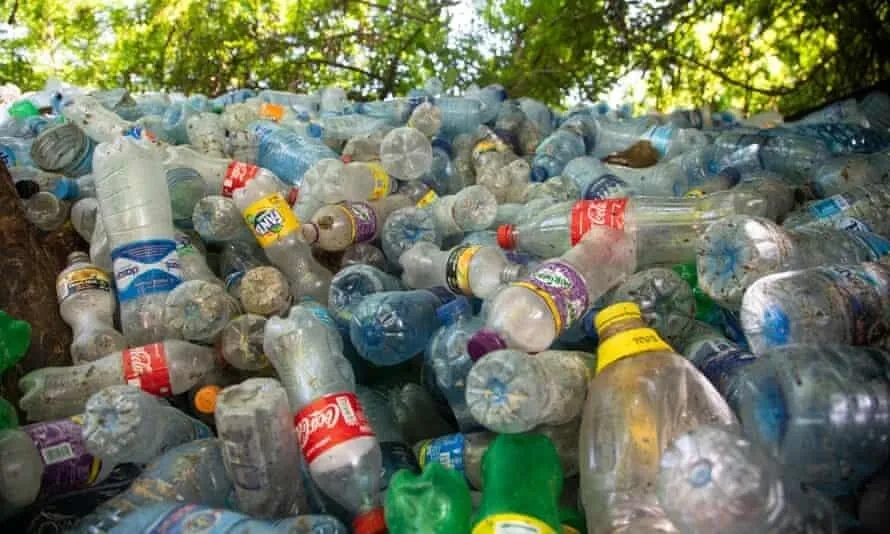
What is certain is that SGR must be implemented as soon as possible. Valleys, forests, plains, waters, villages and towns are choked with rubbish; we lag behind in recycling and are failing to meet the targets imposed by European legislation.
Moreover, we risk new fines from the European Union — from 1 January 2021, we will have to pay the EU a levy of 0.8 euros for every kilogram of non-recyclable plastic placed on the market.
The European Commission encourages Member States to implement SGR to achieve the packaging recycling target of 90%.