AURORA PEȚAN: “The fairy-tale wish ‘May flowers grow in your path’ can come true”
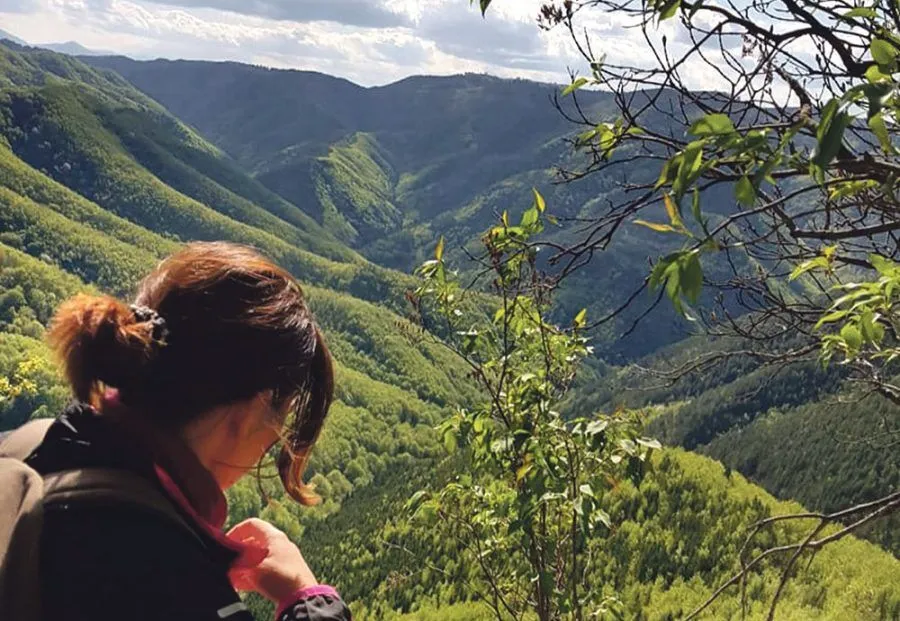
At the window of the house
Life and research near Piatra Roșie fortress
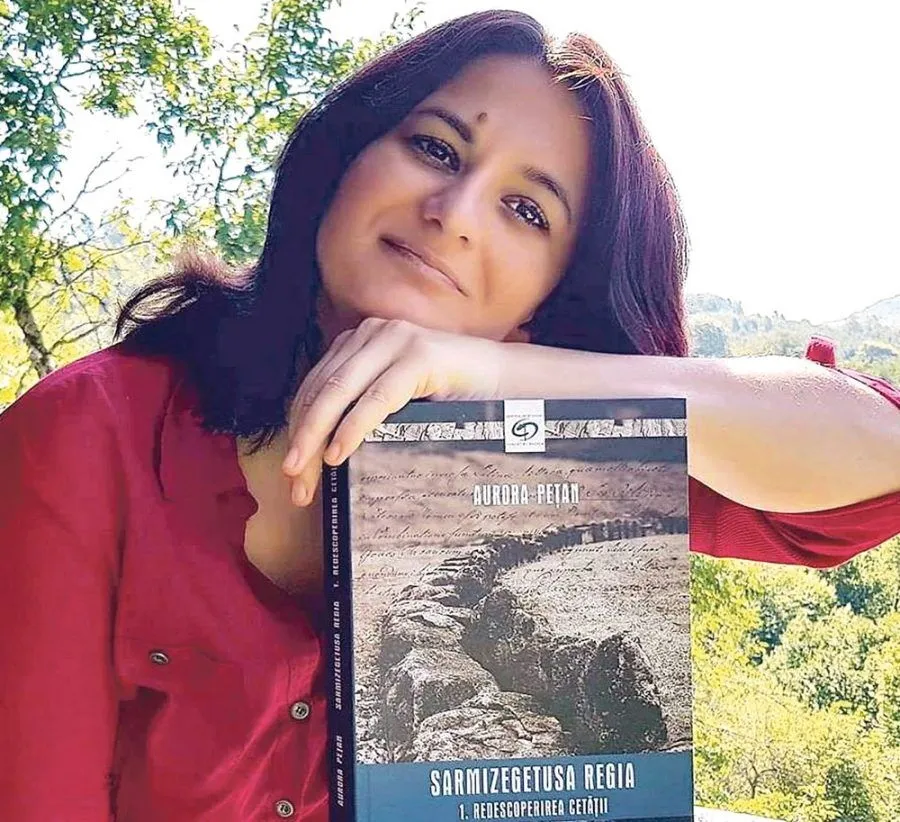
The interview conducted by Catalin Manole and published by Formula AS on 10 June 2020, in issue 1419, presents Aurora Pețan, a researcher of Dacian history, writer, linguist and journalist, in the place where she lives and works: the Dacica Foundation house near the Dacian fortress of Piatra Roșie. This summary preserves the themes of the interview published during the 2020 isolation period.
Aurora Pețan describes life in Alun village, the view towards Țâfla hill and Cioclovina, the walk to the spring and the closeness of the forest. After 17 years in Bucharest, the mountain’s quiet has, for her, the sounds of birds, insects and wind. The changing seasons and daily observation of the same landscape are part of her connection to the place.
Aurora Pețan
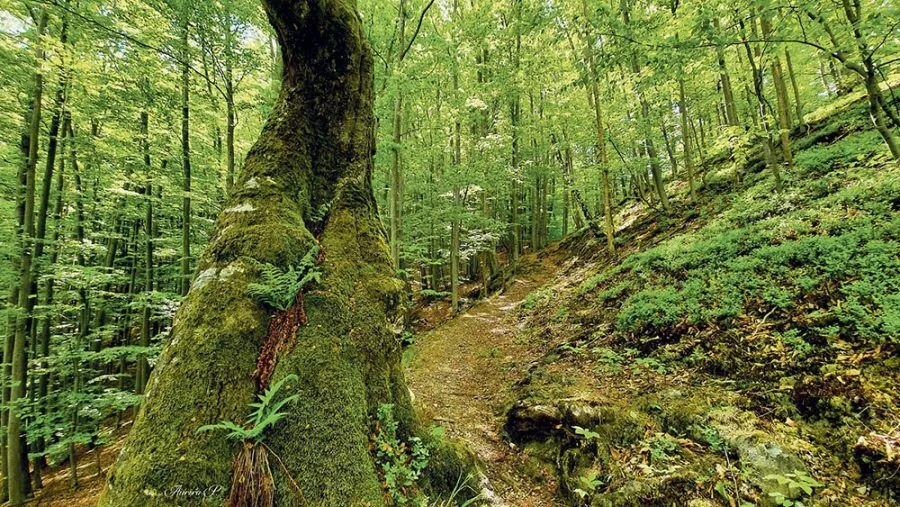
The Dacians’ forest, full of mysteries
Science on the mountaintop
A central theme is how living near the Dacian fortresses changed her research. She compares studying books, photographs and archaeological reports with the daily experience of the landscape, paths and environment in which the people she studies lived. Proximity to Piatra Roșie and the fortresses around Sarmizegetusa added natural and spiritual dimensions to her initially scientific perspective.
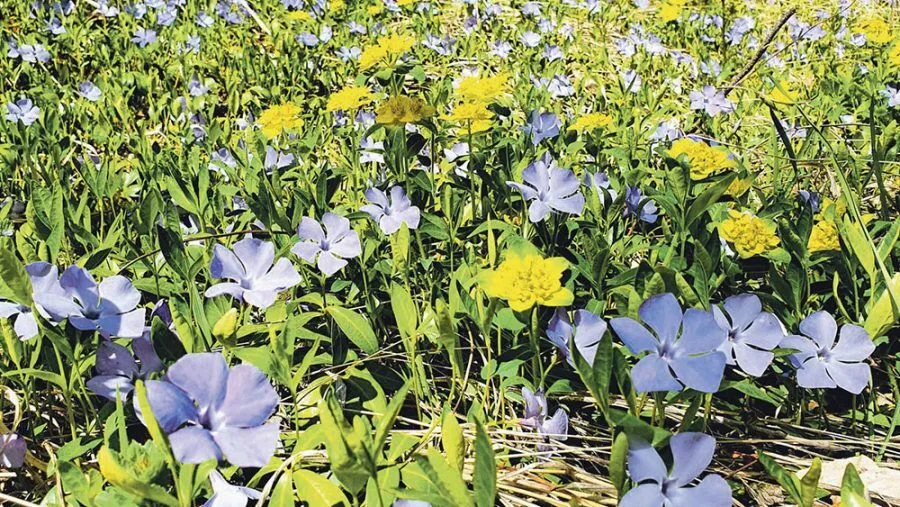
The living-room carpet, with “brebenei” and “laptele-cucului”
The interview also presents the international symposium organised annually in Alun. The previous edition had been devoted to Iron Age temples and places of worship, and the papers on Sarmizegetusa, Piatra Roșie, Fețele Albe and Piscul Crăsani were to appear in a book being printed. As an independent researcher, Aurora Pețan discusses the rhythm of conferences, articles and deadlines, and the working time that isolation gave her.
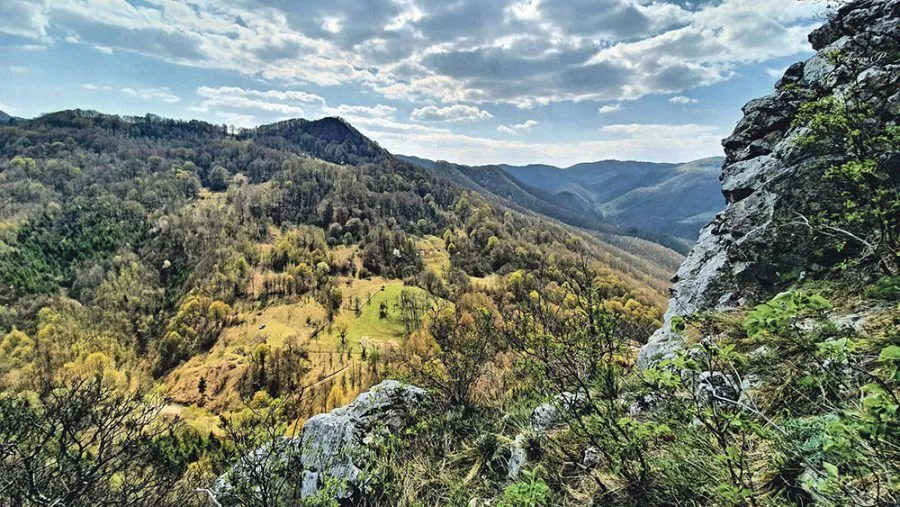
What Aurora sees from Cetatea Roșie
Nature during isolation
Cancelled journeys and being unable to see her mother at Easter appear alongside the discoveries she made by staying in one place. Observing plants, wild lilacs flowering and encounters with animals describe a relationship with nature built over time, during the ten years she spent there.
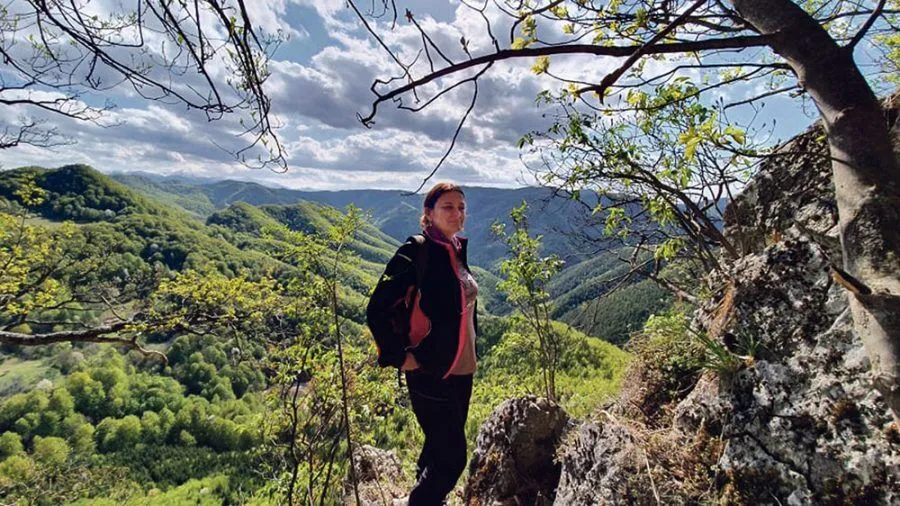
On the Dacians’ paths
In the account of plants, “mătrăguna mică”, “laleaua pestriță” and “iarba fiarelor” appear alongside stories and folk beliefs. The interview connects these discoveries with an understanding of the fortresses as places of historical and spiritual significance, and with a change in how we view our surroundings.
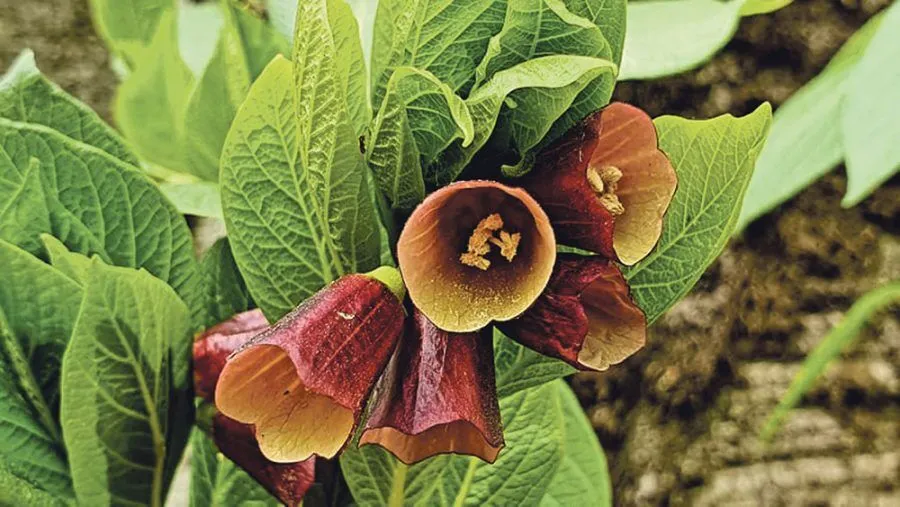
Mătrăguna mică
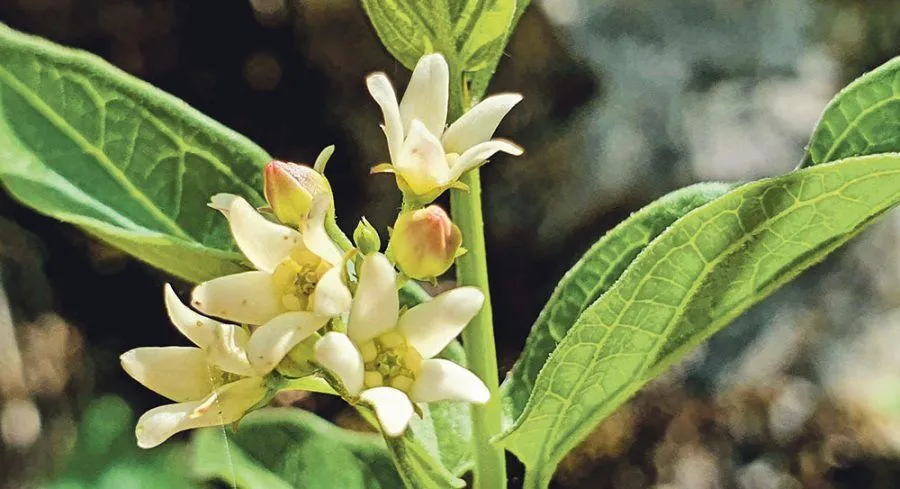
Iarba fiarelor
In closing, Aurora Pețan reflects on personal choices after isolation: closeness to nature, independence, reconsidering needs and priorities, but also fear of change. She does not offer a medical forecast about the pandemic, but speaks about the possibility of rediscovering meaning and freedom in a different rhythm of life.