Report on the lost virgin forests
Agent Green + EuroNatur report
The catalogue that was meant to defend primary forests has become a record of losses.
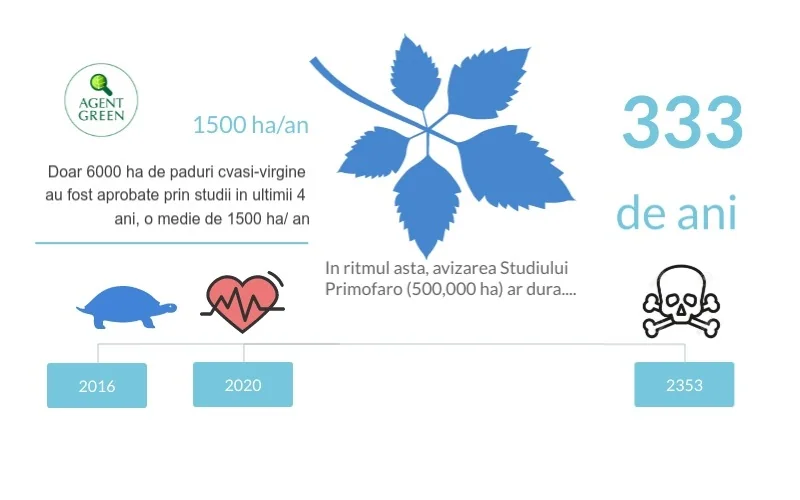
In 1999, Romania embraced the idea of strictly protecting 400,000 hectares of virgin and quasi-virgin forests. After two decades of returned paperwork, blocked studies and lost files, the National Catalogue protected only 30,062 hectares.
Download the report in Romanian
Download the report in English
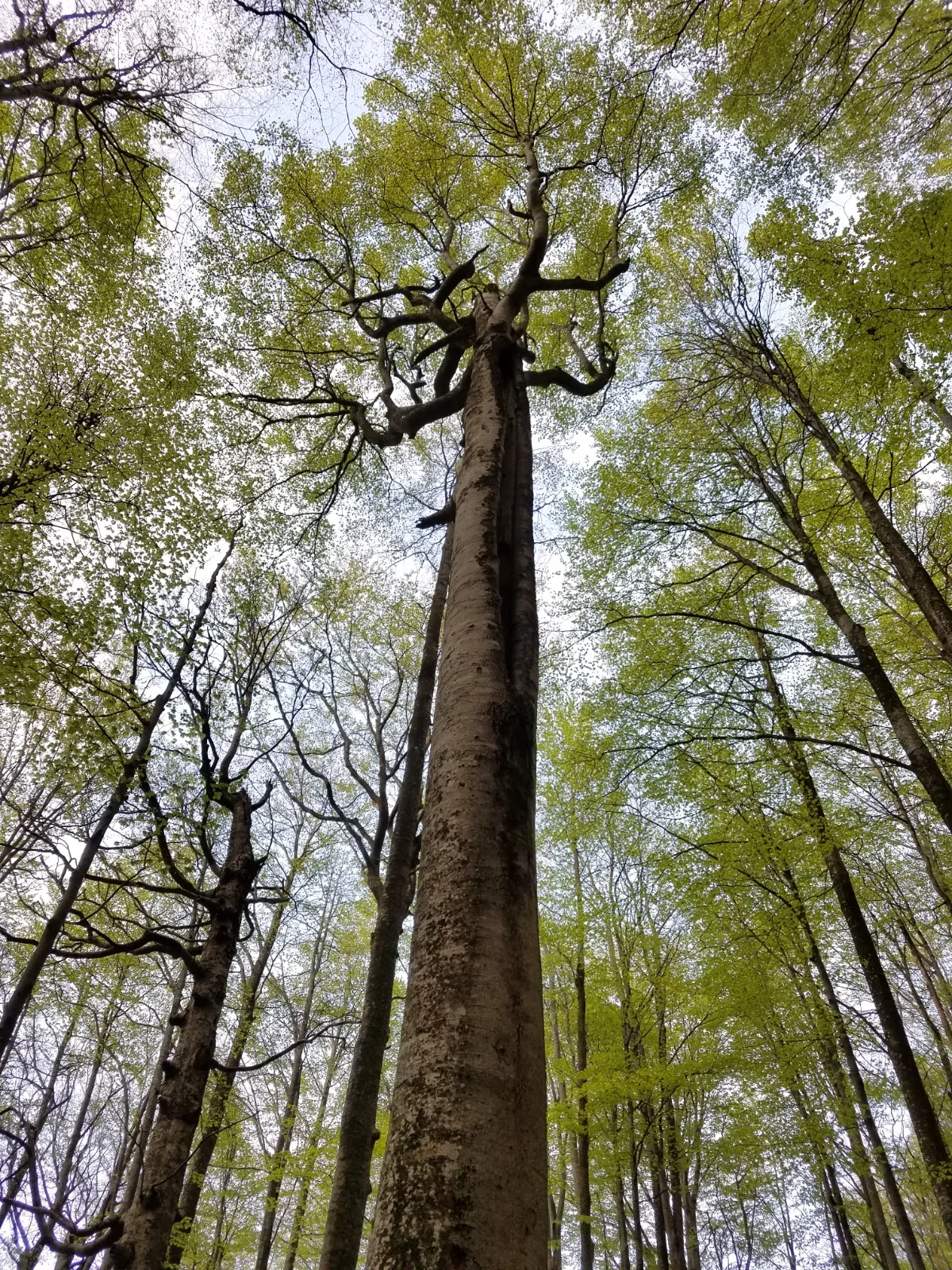
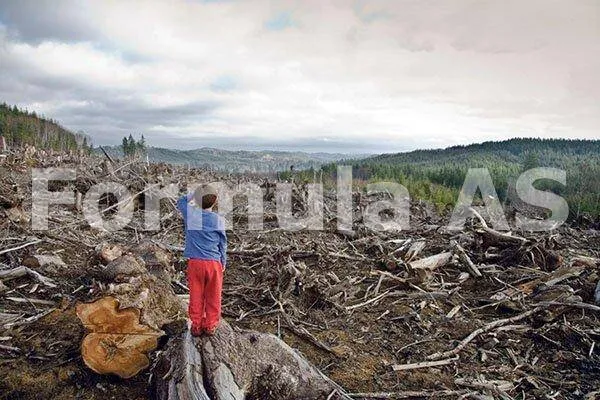
Primary forests are not a resource that can be recovered on a human timescale. Once logged, they disappear for centuries.
400,000 ha
proposed for strict protection in the 1999 National Sustainable Development Strategy.
30,062 ha
included in the National Catalogue after 21 years.
24,260 ha
documented through studies submitted for inclusion in the catalogue.
80%
of the area studied was rejected, returned, blocked or lost.
Bucharest, 15 May 2020. Agent Green and EuroNatur published the report documenting the authorities’ systemic failure to protect Romania’s last primary and ancient forests. The report follows chronologically how the official process of populating the National Catalogue of Virgin and Quasi-Virgin Forests came to lose precisely the forests it was meant to save.
The catalogue is not simply an administrative list. For primary forests, inclusion in the catalogue is the difference between strict protection and entry into the logging system. When a study is returned, rejected or “lost”, the land remains vulnerable precisely during the years when logging pressure increases.
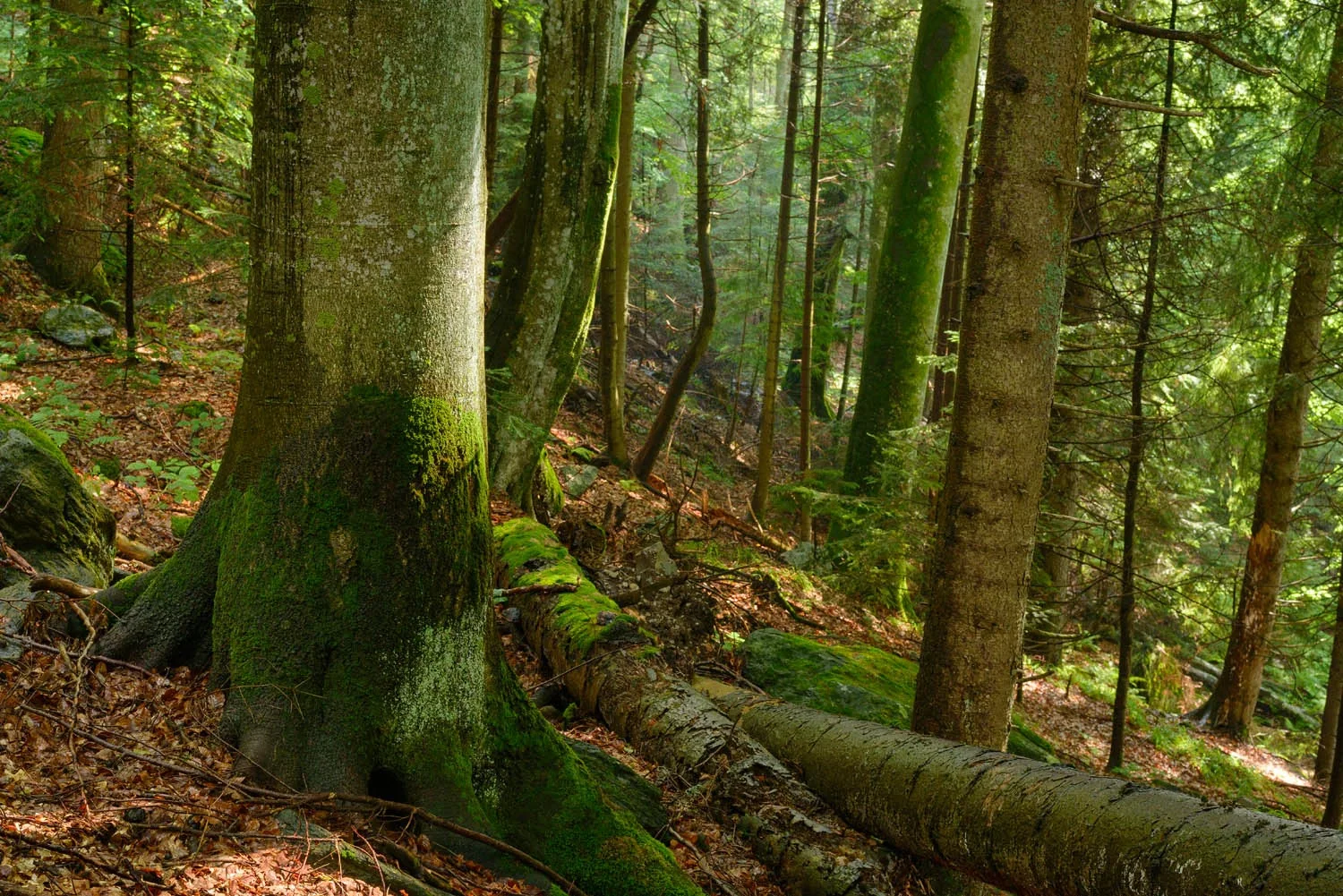
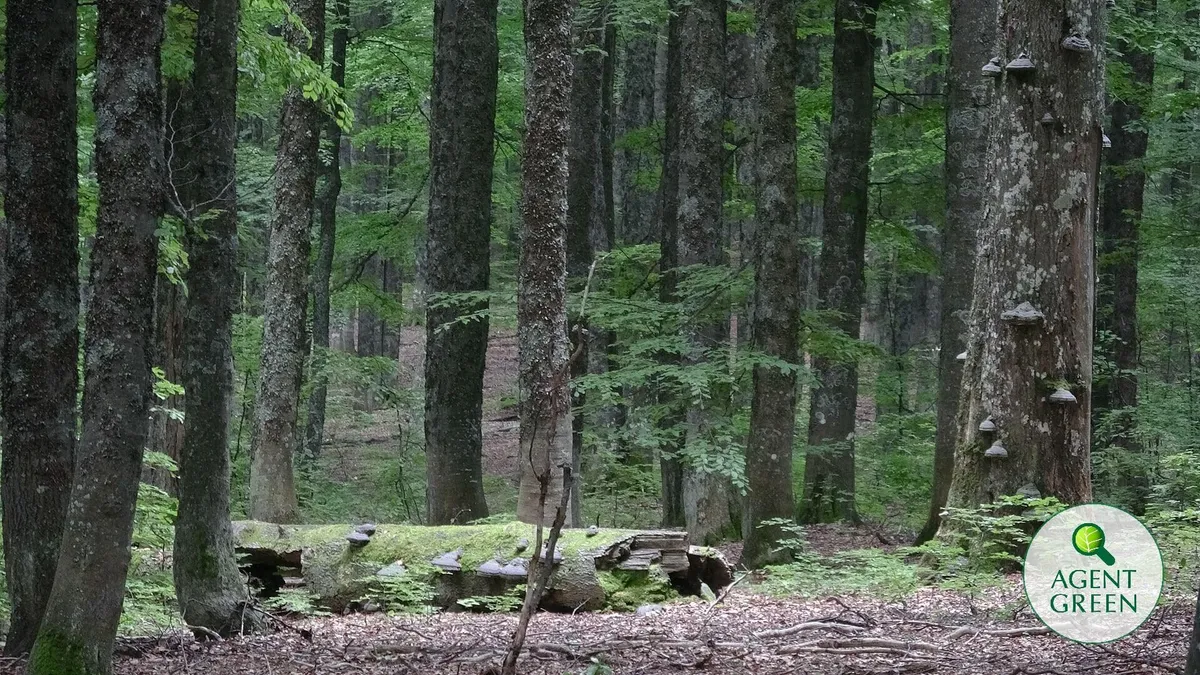
Ancient forests harbour structures, species and ecological processes that cannot be recreated through planting.
What the report shows
The first strategic attempt to conserve these intact forests was formulated in 1999. The ambition was clear: 400,000 hectares of virgin and quasi-virgin forests under strict protection. Two decades later, less than 8% of this area was protected through the National Catalogue.
The report shows that NGOs, experts and scientific specialists submitted studies for 24,260.56 hectares. Instead of leading to protection, most of these files became stuck in administrative procedures. The most serious findings are the 8,890.76 hectares rejected outright, 10,543.80 hectares returned to experts and 4,056.22 hectares lost by the Ministry of Environment and the Forest Guards.
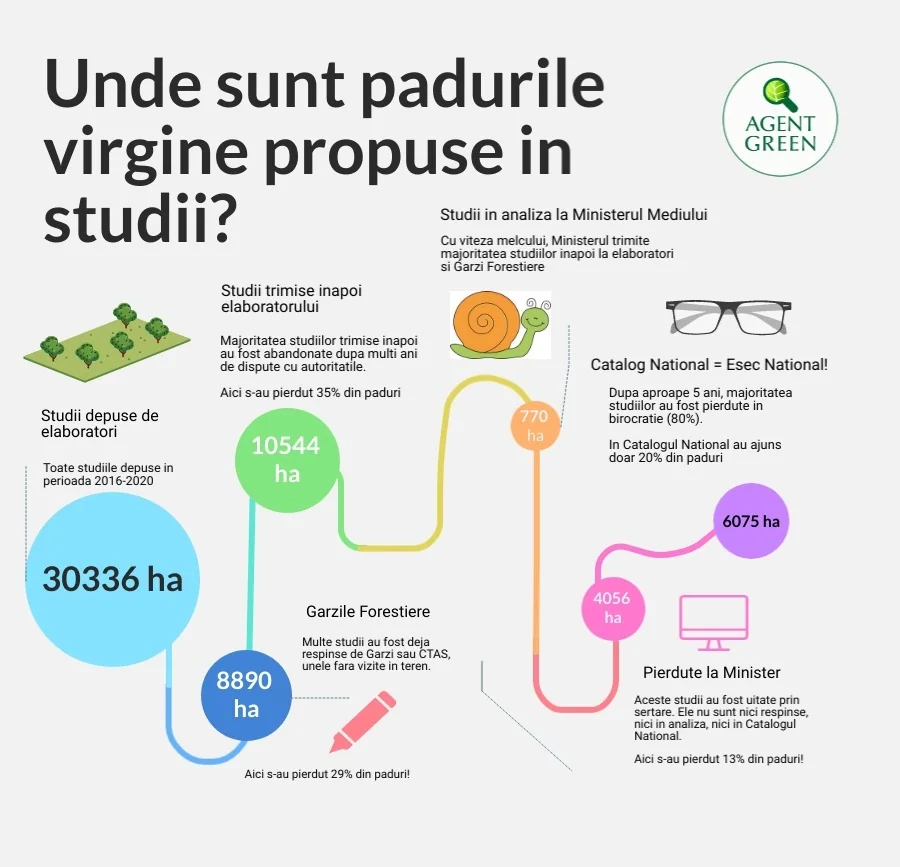
The route taken by the studies: from field research to the loss of protection in the administrative maze.
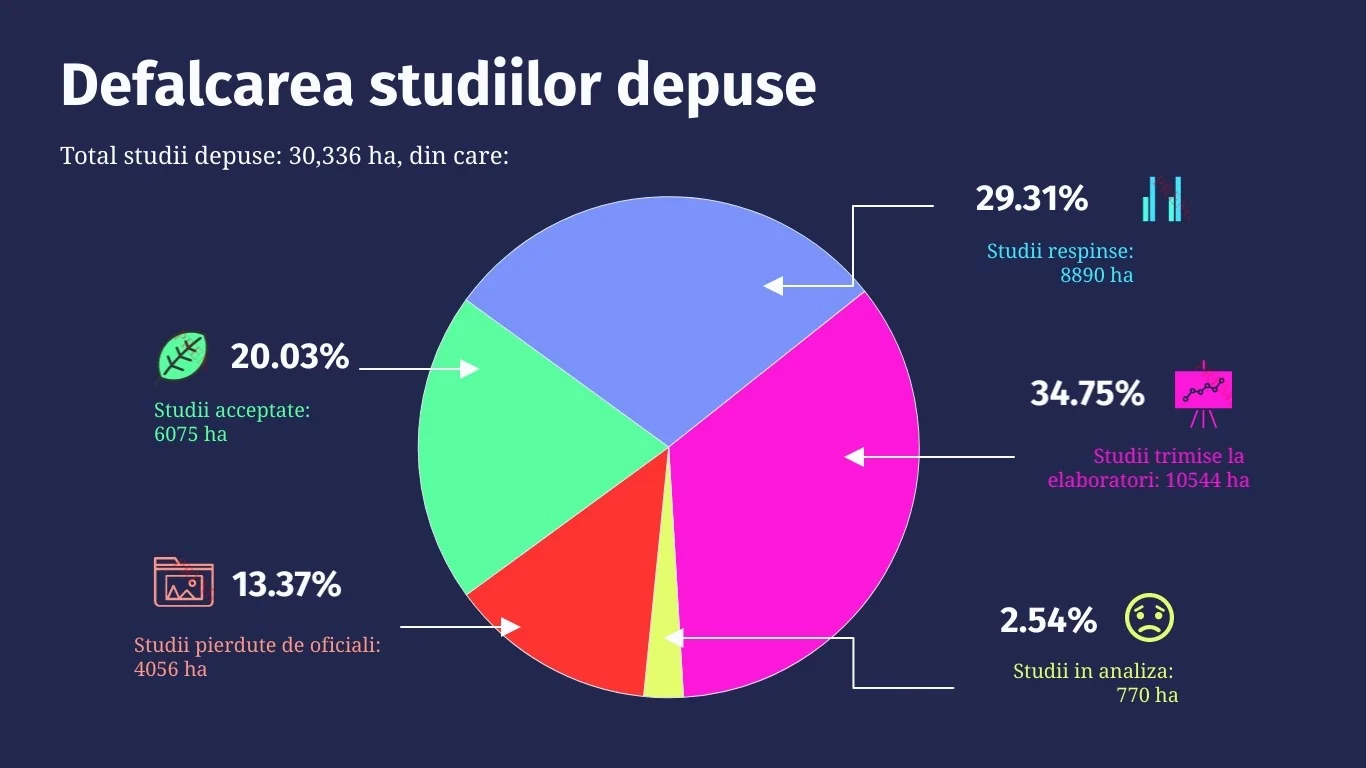
Only some of the studies submitted resulted in real protection.
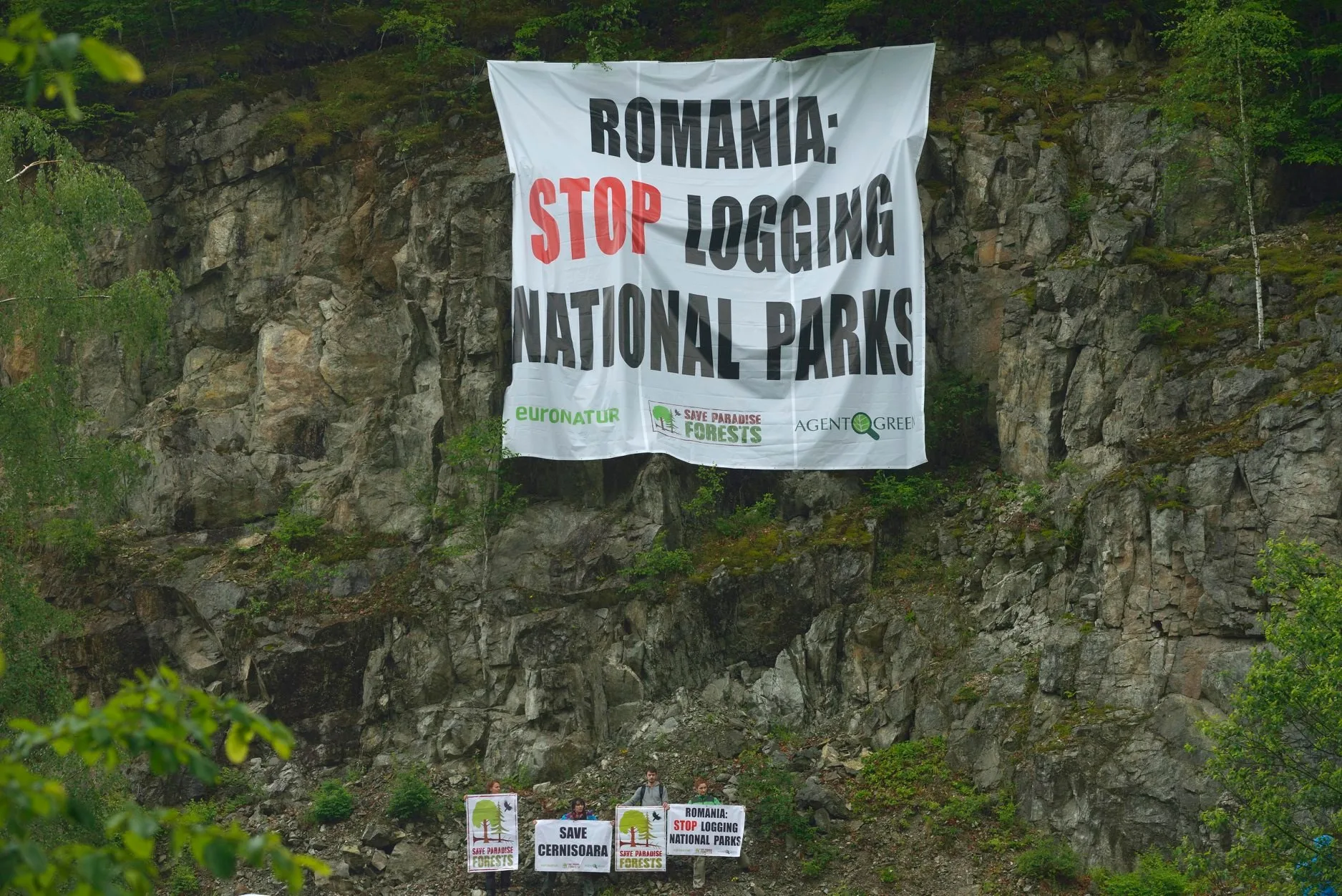
“This failure to protect nature is no accident. It is the consequence of a total lack of political will, at the cost of Europe’s most valuable forests disappearing before our eyes,” says Gabriel Păun, President of Agent Green.
Where the chain of protection broke
The Ministry of Environment reported receiving studies for 42 forests, totalling 9,382.70 hectares. The Forest Guard indicated 105 forests, covering 24,260.56 hectares. The difference between these figures is not a bureaucratic subtlety but a symptom: the institutions responsible for protection could not explain where the files were or their status for some of the country’s most valuable forests.
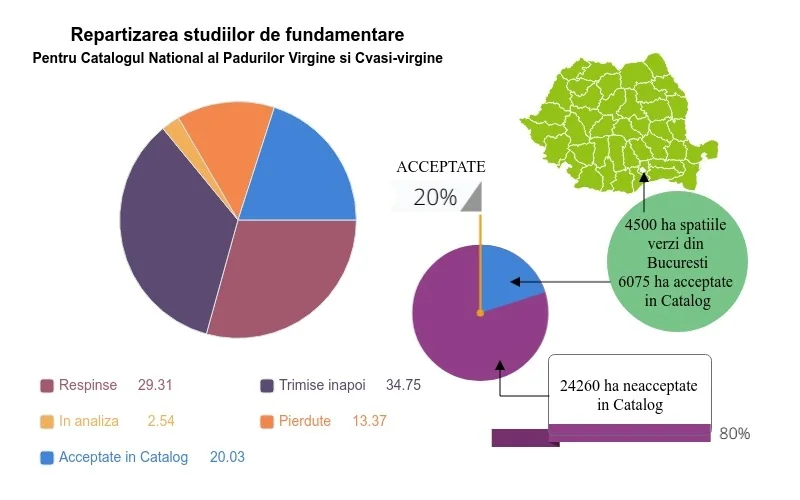
The distribution of studies shows how little of the area actually entered the catalogue.
Gabriel Păun describes the situation as an administrative “Bermuda Triangle”: studies for virgin forests disappear and, consequently, the most precious forests fall prey to logging. The case of the virgin forests of Colții Bâlei, Bacău county, is emblematic: initially accepted for inclusion, the evidence of their existence subsequently disappeared from the official process.
Why it matters now
Romania was already under the European Commission’s scrutiny for the loss of primary forests in Natura 2000 sites. Immediate protection of the remaining forests would contribute both to addressing the infringement and to Romania’s obligations under the Convention on Biological Diversity and the European objective of strictly protecting 10% of terrestrial and marine ecosystems.
“The official process of populating the National Catalogue of Virgin and Quasi-Virgin Forests has been particularly unprofessional and abjectly managed. The last primary and ancient forests of temperate Europe deserve the highest level of protection and attention,” says Gabriel Schwaderer, Director of EuroNatur.
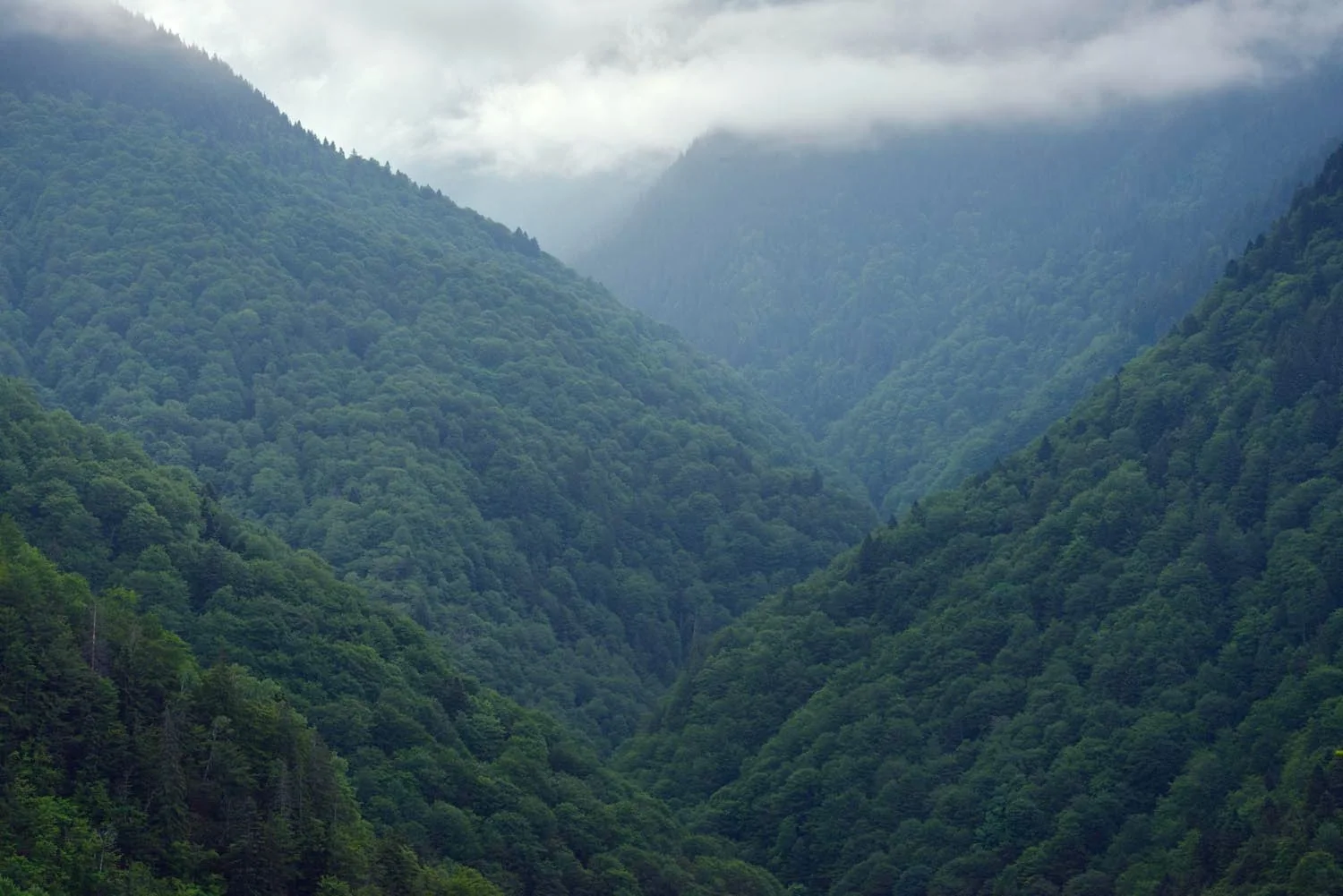
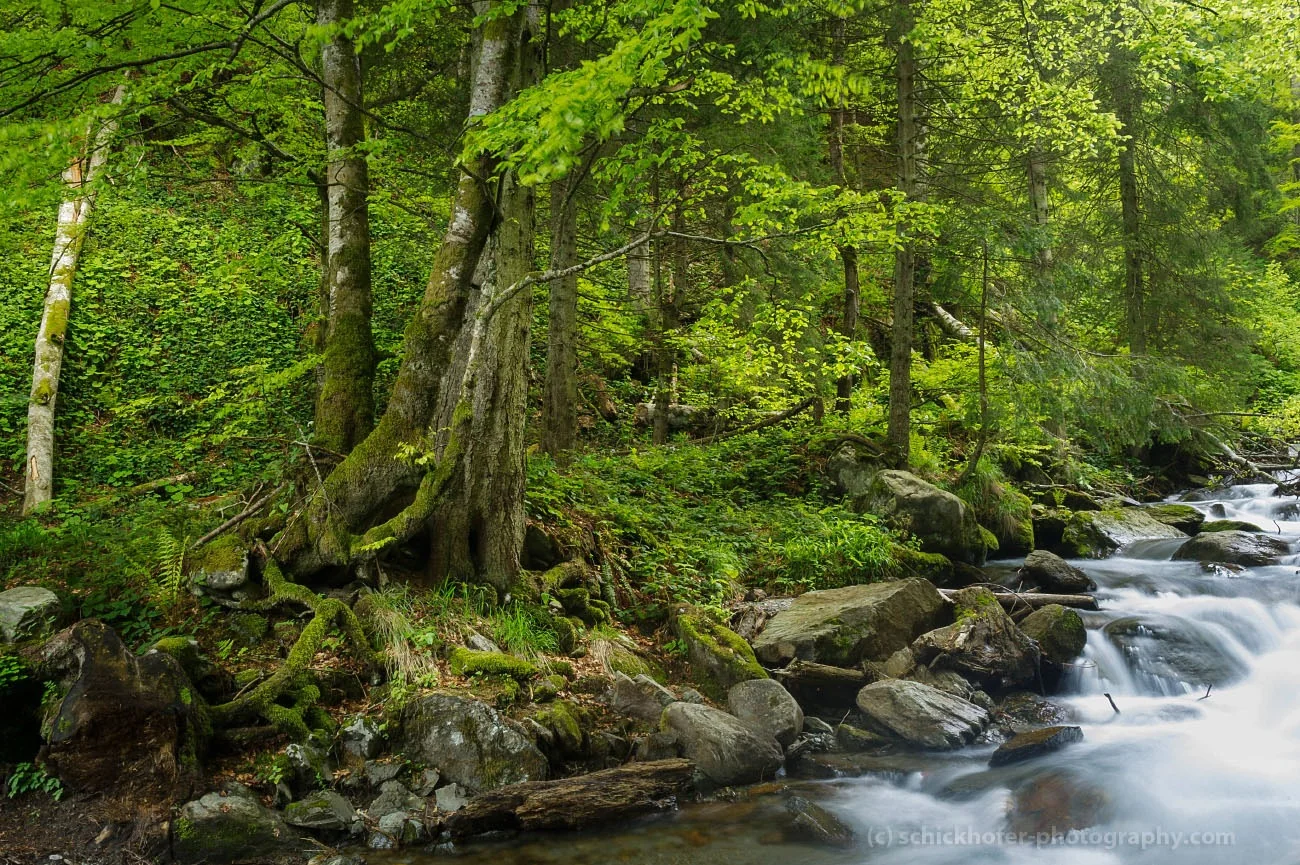
Făgăraș Mountains, Arpaș Valley: forest landscape with primary forests still not fully protected.
The request from Agent Green and EuroNatur
Agent Green and EuroNatur call on the Ministry of Environment to immediately protect all the primary and ancient forests that still exist in Romania. Lost studies must be redone or recovered, and scientifically identified areas must urgently be removed from the zone of risk.
Bilingual documents
Read the full report
The report is available in Romanian and English. The English version, published as Failing our Last Great Forests, presents the same institutional failure to an international audience.
Press contacts: Agent Green, Gabriel Păun, office@agentgreen.org; EuroNatur, Anja Arning, anja.arning@euronatur.org.