Court victory for nature: Jiu hydropower plant sent for re-examination. Environmental organisations criticise anti-nature bill
Bucharest, 18 February 2022 – The case of the illegal Jiu hydropower plants is taking a new turn. The High Court of Cassation and Justice decided on Wednesday, 16 February, to retry the case seeking annulment of the screening decision for the Bumbești-Livezeni hydropower project. Bankwatch România and Agent Green showed the court that the screening stage, a basic environmental procedure for approving projects, had not been completed lawfully. In December 2017, the Court of Appeal annulled the construction permits for the same project because the environmental assessments required by law were missing.
The environmental organisations argued that screening cannot cover only the 10% of the project remaining when the two permits were annulled in 2017, but must be obtained for the entire project, as required by law. Hidroelectrica tried to approve the project piecemeal, submitting to the environmental authorities documents only for the unfinished construction, leaving its environmental impact unexamined.
Moreover, the documentation submitted by the project promoter, Hidroelectrica, does not analyse the impact on plant and animal species in the Jiu Gorge, but merely defines a residual flow of 2.7 mc/s. This flow is too small to keep protected species in this natural area alive, the organisations say.
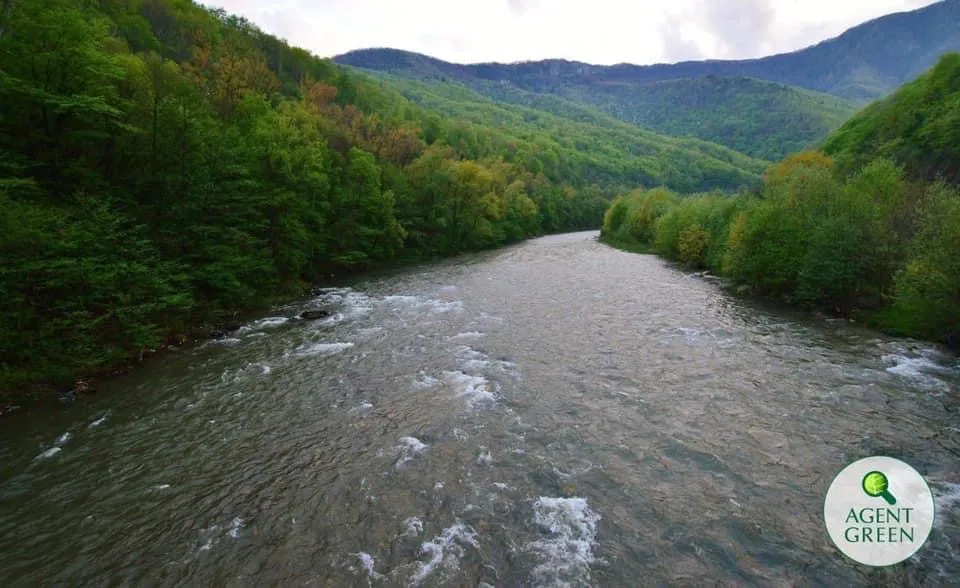
Defileul Jiului Natural Park shelters priority protected animal species such as the Carpathian bear and alpine longhorn beetle, as well as strictly protected species including the wolf, lynx, otter, marten and badger. A study (PDF in Romanian) conducted in 2011 for the park administration states that the Bumbești-Livezeni hydropower plant is the main threat to species conservation, with a major impact on the otter in particular, but that “all mammals in the park will be affected as a result of the reduced water supply”. The study shows that conserving habitats requires an average annual flow of at least 10 mc/s. Even the crayfish known as “rac de ponoare”, which the project’s promoters claim does not exist, appears in field studies.
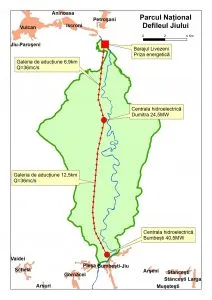
According to the company’s plans, the Jiu River would be channelled through pipes in two sections, one 12.5 km and the other 7 km long, across almost the entire natural park. The river would thus be captured upstream in the park’s north and released downstream at its opposite end, destroying the entire aquatic system over 30 km.
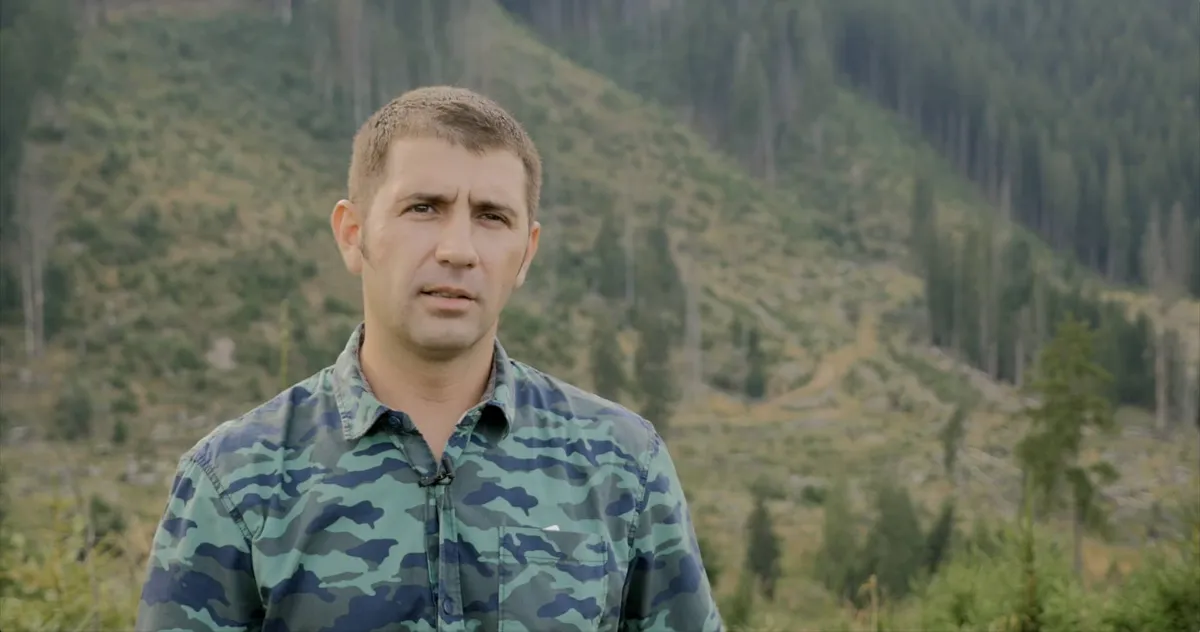
“The gorge’s entire ecosystem was created by this river. Drying it up or maintaining too little flow would devastate all biodiversity. Further reducing habitat and food sources increases the risk of conflict between people and wild animals, as is already happening with bears. Let us remember that the EU strategy up to 2030 is to increase protected areas, not reduce them as parliamentarians want,” said Gabriel Păun, president of AgentGreen.
The anti-nature law
To legitimise construction of the Jiu hydropower plant and others such as Răstolița, a bill has been submitted to change the boundaries of the Natura 2000 sites concerned. Environmental associations regard the recent legislative initiative to change protected-area boundaries and environmental impact assessment, promoted by several MPs, as an anti-nature law. The amendments contravene European legislation and the directives on protected natural areas and environmental assessment. Under these, the hydropower plants should have been notified to the European Commission, since they are Natura 2000 sites with priority protected species where intervention is possible only in urgent public-health or national-security situations.
“Even outside protected areas, environmental assessments are mandatory because they affect protected habitats. They must be completed before any construction begins, so the proposed legislation could not legitimise construction carried out unlawfully before the law was adopted, which could not apply retroactively,” says environmental lawyer Cătălina Rădulescu.
Environmentalists further argue that the Jiu hydropower development would contribute negligibly to the national energy system, especially compared with its severe environmental effects. The 269 GWh mentioned by the company would represent 0.47% of Romania’s annual electricity production (56.2 TWh in 2020).
“Production would be even lower, since river flows are now significantly reduced by climate change compared with the period when the project’s parameters were established in the ‘80s. The technical parameters have not been updated; the plant would spend more time idle than operating, as the average annual flow in that area is insufficient for operation at capacity -” clarified Ioana Ciută, president of Bankwatch România.
The Răstolița hydropower plant is in the same situation. The development would affect at least 10 water bodies, 8 of which would be severely damaged, with a significant negative impact on the huchen, an endangered species and one of those for which the Călimani-Gurghiu Natura 2000 site was designated. Răstolița’s potential contribution is even smaller: annual production is projected at 117,.5 GWh, or 0,.2% of Romania’s total electricity production in 2020.
The Jiu hydropower case is due to be retried at Bucharest Tribunal.
Press contact:
Cătălina RĂDULESCU, lawyer for Agent Green and Bankwatch, 0745138165, catalina.radulescu@gmail.com
Related articles
Constitutional Court opens Pandora’s box: national parks may be sacrificed for controversial hydropower projects
Gabriel Păun takes the Râul Alb attack left unresolved by Romania’s justice system to the ECHR