Agent Green’s existence threatened by a company seeking millions of euros at Harghita Tribunal
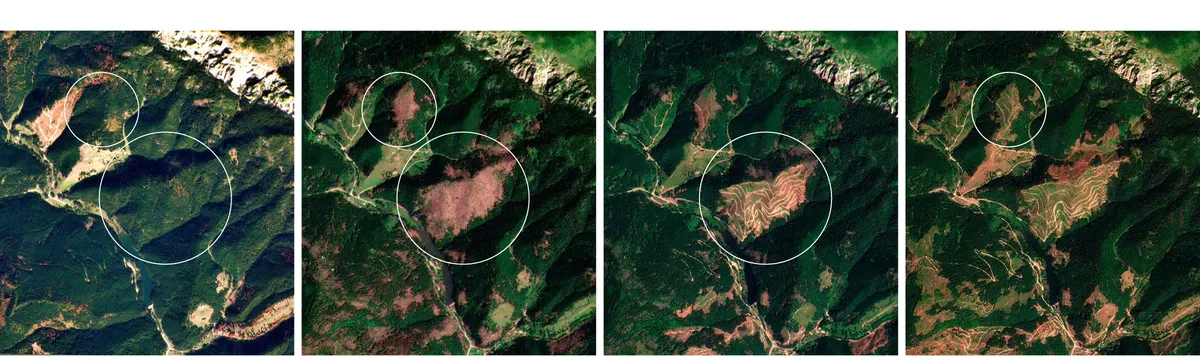
The New York Times traced wood from Cheile Bicazului-Hășmaș National Park to the biomass company
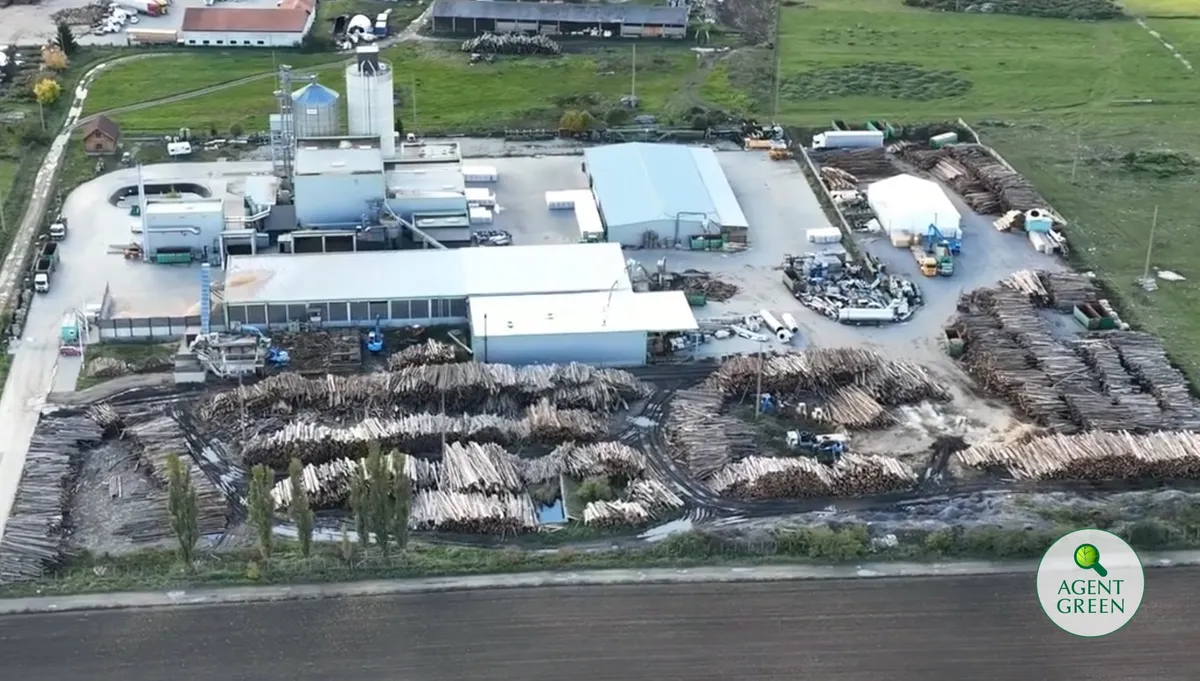
Miercurea Ciuc, 27 February 2024 – Today Harghita Tribunal holds a hearing in the case between Ameco Renewable Energy and Agent Green. The Swiss-capital company based in Joseni, producing mainly wood pellets and briquettes, sued the environmental organization because it claims substantial losses after the New York Times published an article about biomass that also mentions Ameco. The company seeks 200,000 euros in moral damages, millions of euros in losses, and payment of 5464 euros daily until the New York Times deletes the article and apologizes for three consecutive days, both online and in print. Ameco’s demands also concern all subsequent articles in Romania and abroad based on the original article by the prestigious American publication.
“This is a classic intimidation lawsuit contrary to the Aarhus Convention, and one for which the European Union is soon to adopt a directive to protect activists and environmental organizations. The investigation was carried out by the Environmental Investigation Agency, so Ameco sued the wrong organization in order to intimidate the Agent Green Association and possibly paralyse its activities,” said Cătălina Rădulescu, Agent Green’s lawyer.
“The trial is being held on Ameco’s home turf, which is also where Tanczos Barna comes from, the former environment minister who publicly accused the New York Times of fake news after the article appeared. Tanczos publicly jumped to Ameco’s defence like a Taliban. I would also like to know what his relationship is with the people at the company,” said Gabriel Păun, president and founder of Agent Green.
Normally, Ameco should have sued the New York Times, which initiated and published the article. But the article presents only the truth. More precisely, it shows how whole trees from Cheile Bicazului-Hășmaș National Park reached Ameco’s factory to be turned into pellets and fuel briquettes. Nobody claimed the wood was illegal. The fact that commercially harvesting trees from national parks is still legal in Romania is a completely different problem and has been part of Agent Green’s work since its founding 15 years ago. The organization campaigns for the environment ministry to let natural processes take their course in all 13 national parks, which total just 1% of Romania’s area.
“We have decided to sue Ameco too, for defamation and unnecessary stress, because the New York Times article presents only the truth and has nothing to do with Agent Green. Ameco even admits in the article and in court that it chipped whole trees from the national park. So its lawsuit is utterly absurd. Then I find it hard to believe that a pellet seller has profit problems after a single exposure. HS Timber, formerly Holzindustrie Schweighofer, was exposed by us for years in all the world’s major publications and did not sue us. Nobody removed their products from shelves after the scandals, and the company chose constructive dialogue. Even their most senior bosses in Vienna eventually thanked me because our exposures helped them become more sustainable and improve timber traceability and business transparency,” Păun added.
Burning wood to produce heat or electricity is a scientific aberration because it is extremely inefficient. Ameco claims burning wood produces no greenhouse gas emissions. But scientists have calculated (PDF in English) that per unit of energy, burning wood releases more emissions than burning gas, oil and even coal. The biomass frenzy emerged around 2010, when the EU began subsidizing this industry on the grounds that it produced green energy. The EU ignores the 784 scientists (PDF in English), including Nobel laureates, who called for forests not to be considered green energy. The authors explained that “while trees can be replanted, reabsorbing the carbon released by burning wood will take a new forest many generations. Deliberately using wood for burning increases atmospheric carbon dioxide and will cause climate warming for tens and hundreds of years to come.”
“The EU cannot support protecting old-growth forests and burning them at the same time. It cannot advocate reducing greenhouse gas emissions while subsidizing their increase. It must decide whether it is killing us or protecting us. To do so it must leave the dead-end track of amateurism and switch towards science. Until they decide, the Romanian Government should ban biomass factories instead of continuing its current plan to open new ones with a capacity of 10 MW annually until 2050,” Păun concluded.
Video footage of the Ameco Renewable Energy factory in Joseni for free use: https://youtu.be/NYuzgd6iCDQ
Press contact:
Cătălina Rădulescu, catalina@agentgreen.org, 0745138165
Related articles
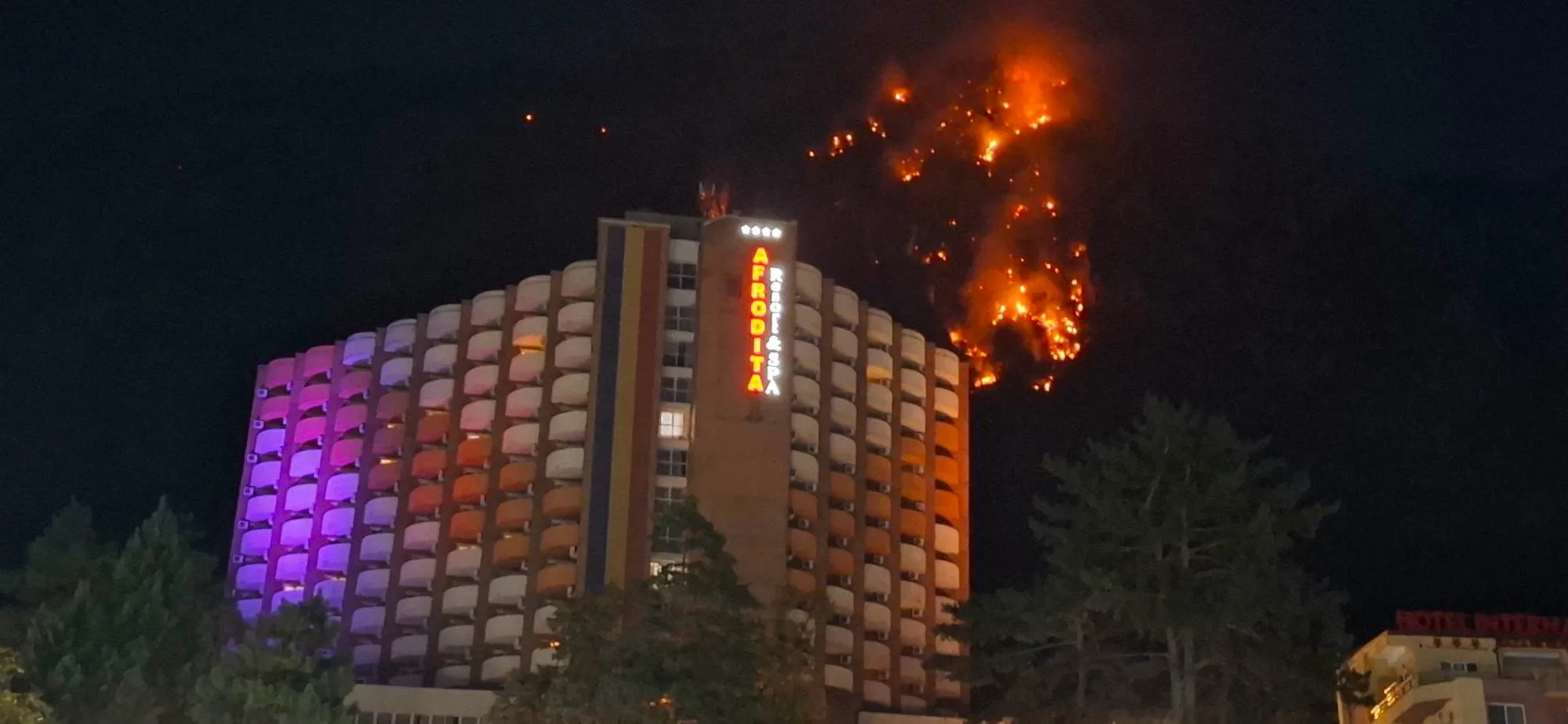
Domogled: Agent Green reports the crisis to the Prosecutor General after 54 days and calls for real protection of the park
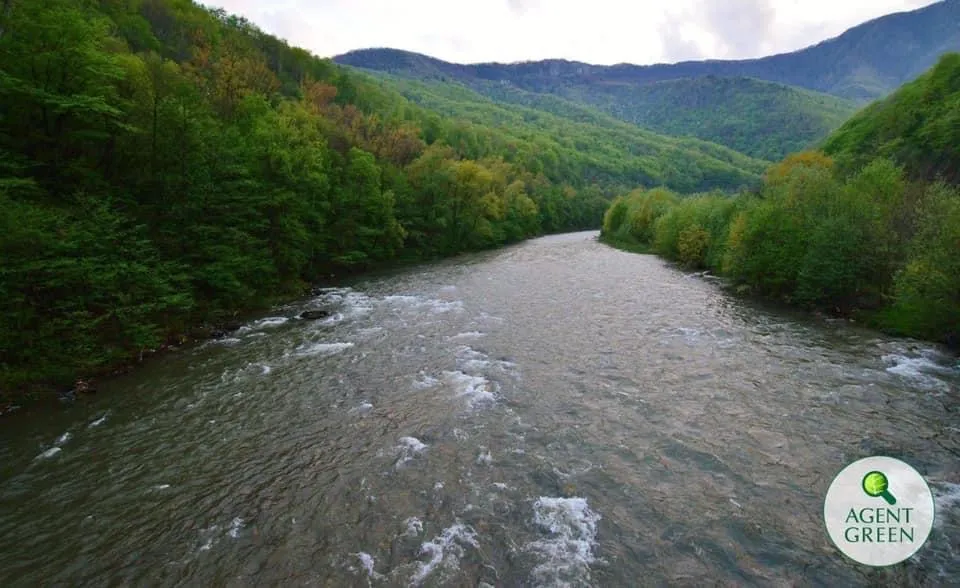
Constitutional Court opens Pandora’s box: national parks may be sacrificed for controversial hydropower projects