The Peace National Park
Suceava, 31 March 2022 — Agent Green has taken the initiative to create the conditions needed to establish the future Peace National Park in forested areas on Romania’s border with Ukraine. The environmental organisation has also set itself the ambition of creating the Peace Trail, a path running through the entire Carpathian chain, starting in Czechia and ending in Serbia, crossing Poland, Slovakia, Ukraine and Romania.
“The idea came to me in the first week after the war broke out, when the sad news kept coming and I was very troubled. I thought that people and animals need a place where they can feel safe and in harmony with nature, somewhere to relax and regain their strength. The scientific and technical groundwork can be prepared now, while awaiting the peace and stability we all wish for. So I immediately contacted Marcel Mîndrescu, who has a doctorate in geography at the University of Suceava, to study the maps and go into the field to find the most suitable area in Suceava, knowing that in Maramureș the forests have been massacred and there is not much left for us to protect,” said Gabriel Păun, President of Agent Green.
A national park, especially a cross-border one, is the best investment in nature, people and biodiversity, particularly as we face multiple vulnerabilities caused by current and projected climate change. A cross-border park opens the way to better cooperation between states, initially in environmental and wildlife protection and conservation, which can then continue and develop into other opportunities and collaborations benefiting local communities and the population in general.
“The upper basin of the Suceava River, covering Romanian territory to the south and Ukrainian territory to the north, is a suitable choice for organising such a cross-border protected area: a park of good neighbourliness and peace in this region. A place dedicated to protecting and conserving nature and wildlife, but also to the human communities in this area, home to Romanians, Ukrainians and Hutsuls. The characteristic natural landscapes, dominated by gentle mountain ridges known as obcine, dense spruce and deciduous forests on sunny slopes and wild rivers, are enlivened by the Hutsul and Romanian communities living on either side of the border,” said Marcel Mindrescu, doctor of geography, professor at the University of Suceava and representative of the Geoconcept Association of Applied Geography.
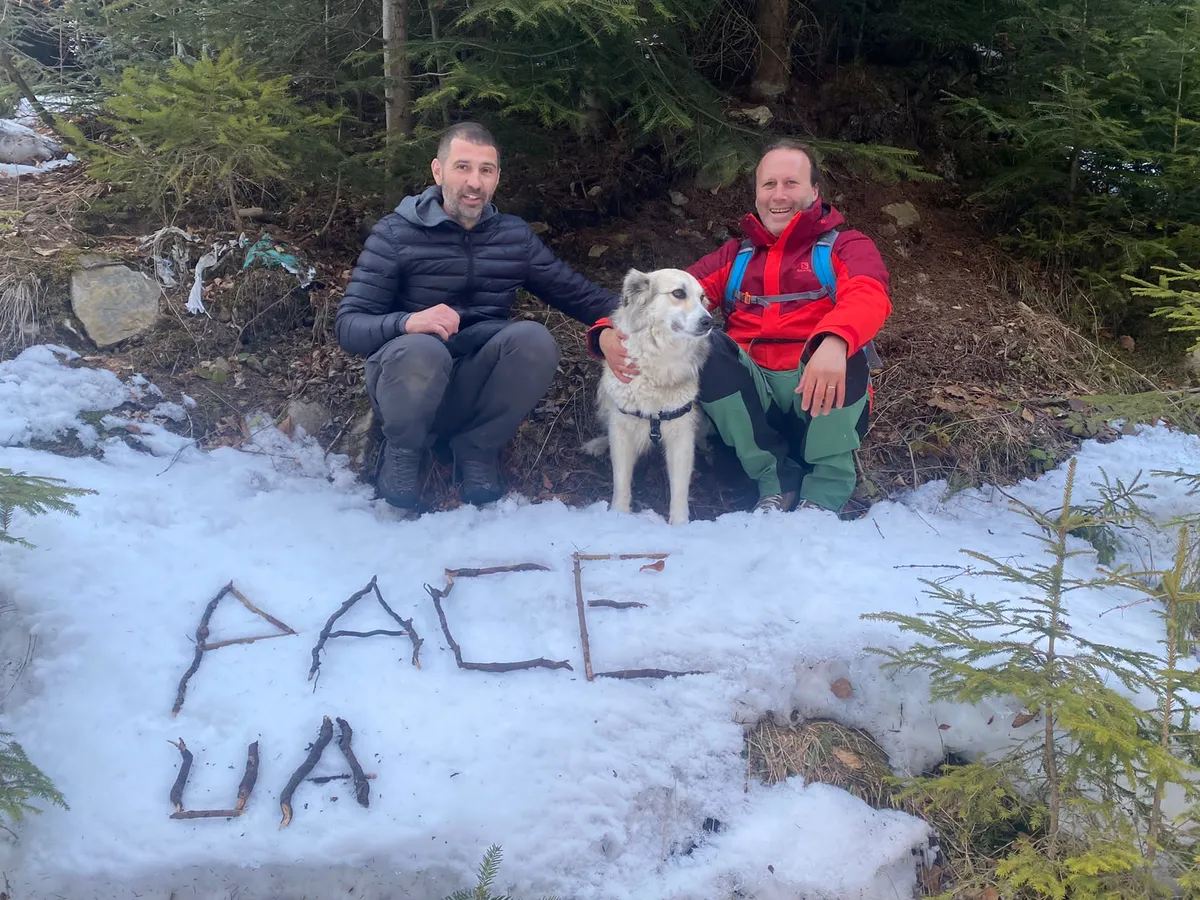
Photo: Marcel Mîndrescu (right), Silva (centre), Gabriel Păun (left)
The Peace National Park will be a space dedicated to protecting biodiversity, conserving clean water, highlighting rural architecture, conserving millennia-old natural landscapes and centuries-old cultural landscapes, and supporting ethnic diversity, traditions, customs, crafts, traditional dress, traditional culture and local cuisine. A space to conserve and promote everything most valuable in the Carpathian area shared by the two friendly neighbouring states.
“At the crossroads of Atlantic, Baltic and eastern climatic influences, the designated area becomes extremely important for studying past and present hydroclimatic variability and for developing possible climate scenarios for the future. In general, joint sustainable management of the upper Suceava catchment to protect water resources and mitigate extreme hydrological events — floods — is a goal that can be achieved much more easily within a cross-border national park. Moreover, in such a context, local communities would have better opportunities to develop and evolve sustainably by using, processing and making the most of diverse local resources from the areas where this is permitted — timber, berries, mushrooms, medicinal plants and so on. Such an initiative can be a model for other future collaborations between Central and Eastern European states, particularly those sharing the Carpathian area: Czechia, Poland, Slovakia, Hungary, Ukraine, Romania and Serbia, through projects for trans-Carpathian tourism infrastructure,” Mîndrescu added.
“We have also found openness to our idea at Suceava County Council, where the park is seen as an opportunity to open up eco-tourism and agro-tourism in the Izvoarele Sucevei area. Our next step requires a partner university in Ukraine and the authorities in the neighbouring country. As for the Peace Trail, I can tell you that a nature enthusiast has already started walking it this month from the north, intending to traverse its full length and reach the Danube by the end of July. We will subsequently see which is the best route,” Păun concluded.
A peace park is a protected cross-border natural area extending across the borders of two or more states, where political borders within the park are abolished. This entails removing any kind of physical border, such as fenced areas, allowing freedom of movement for animals and people living in the area. Nevertheless, a physical border is usually maintained around the park to prevent unauthorised people from crossing between states.
Conserving animals’ traditional migration routes and ensuring sufficient food and water for population growth are the main reason for creating peace parks. They also encourage tourism, economic development and peace between neighbouring nations, and, of course, make travel easier for indigenous people in the area.
Related articles
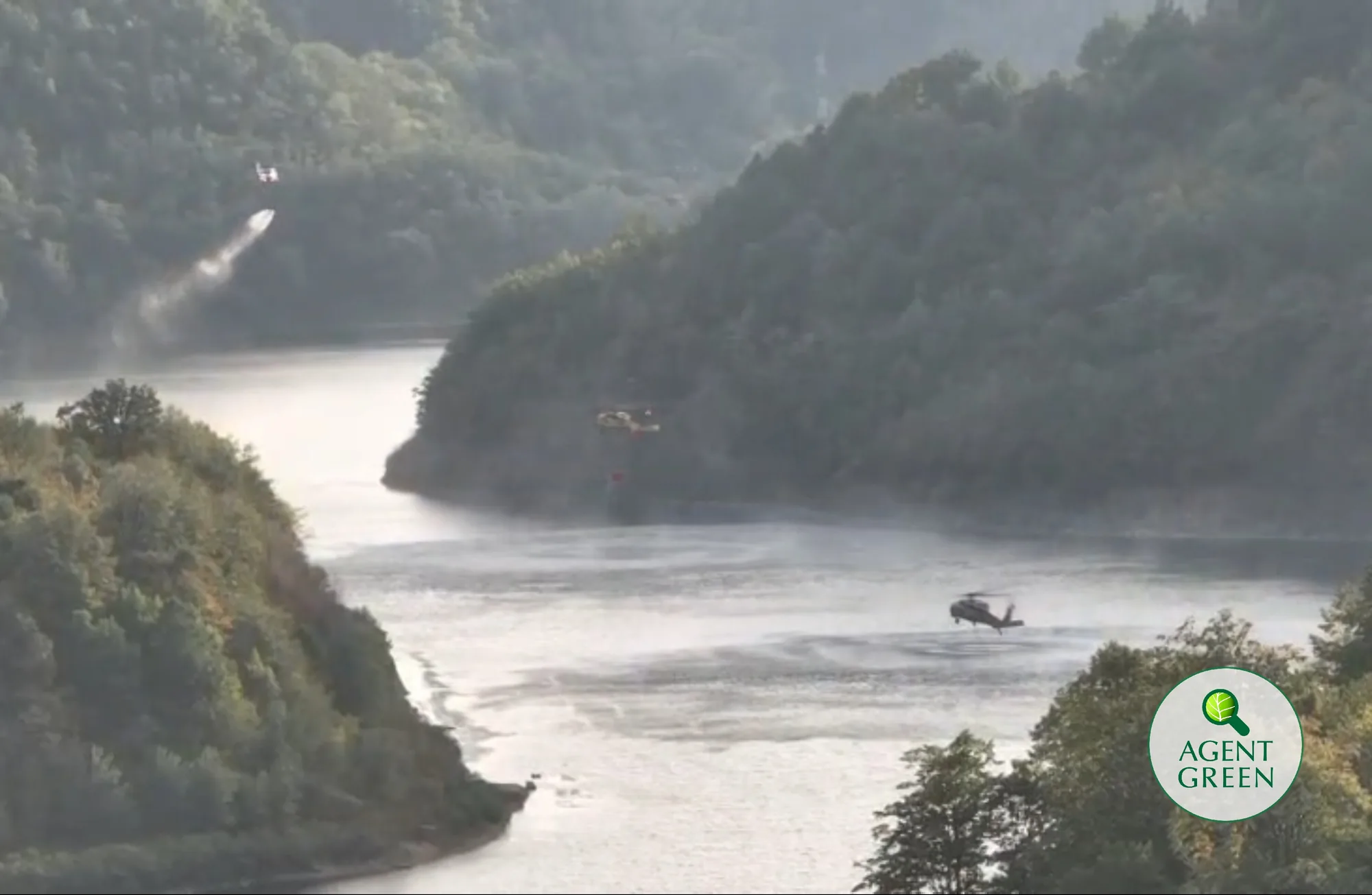
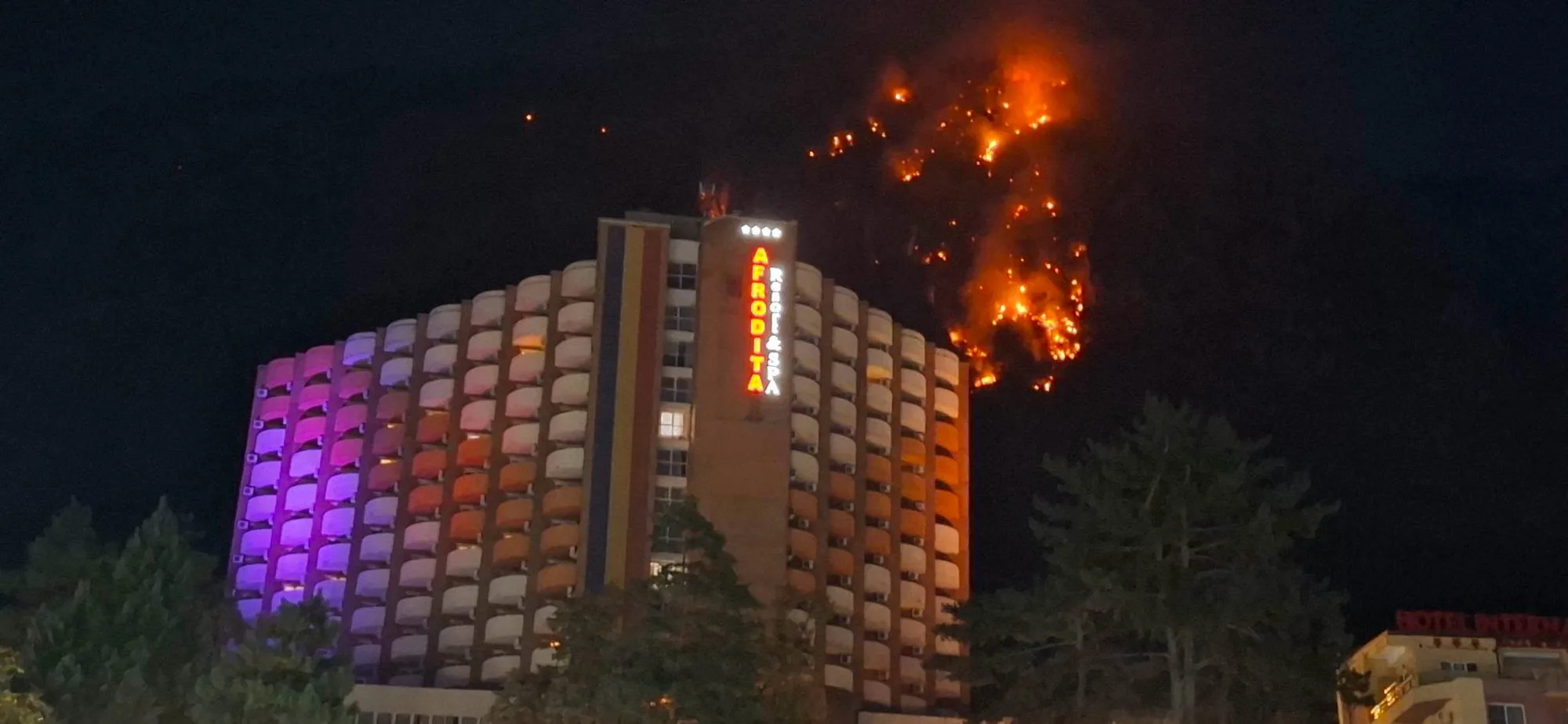
Domogled is burning, the state is late and the environment ministry wants to “sanitise” Romania’s forests
Domogled: Agent Green reports the crisis to the Prosecutor General after 54 days and calls for real protection of the park