Dangerous precedent in Romania’s Parliament: abolishing protected areas or changing their boundaries proposed
Open letter: Do not destroy Romania’s protected natural areas!
Dear Committee Chair Daniel Zamfir,
Dear members of the parliamentary inquiry committee investigating the causes of the substantial increases in natural gas and electricity prices,
Dear Members of Parliament,
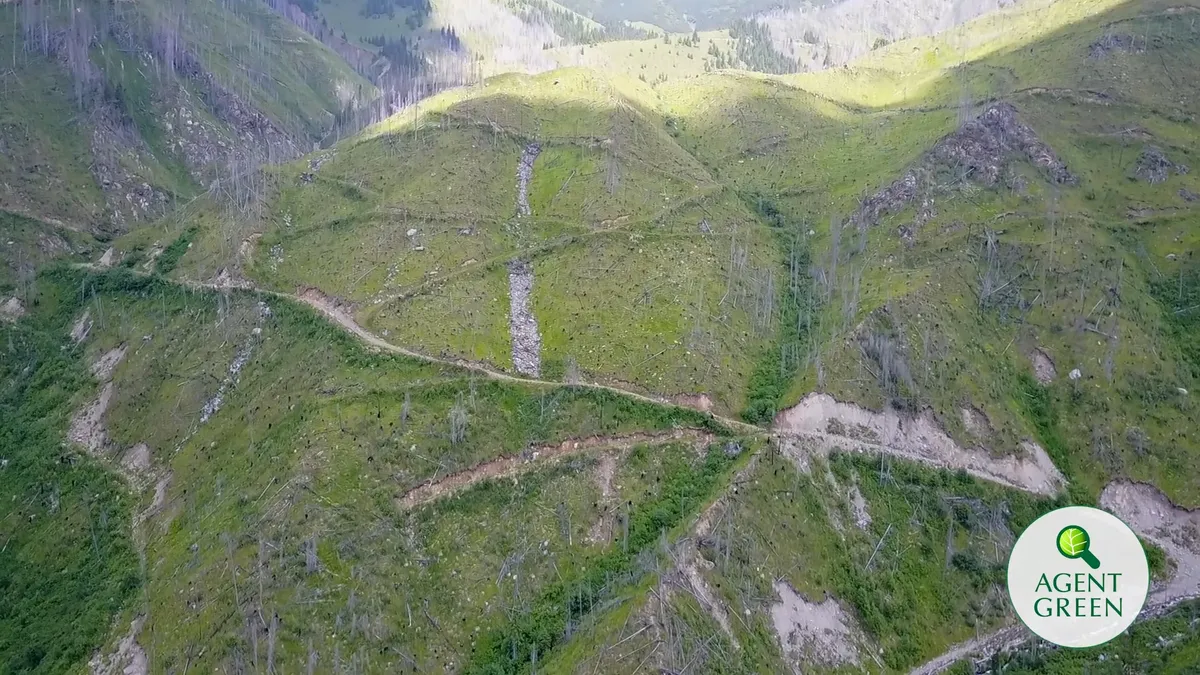
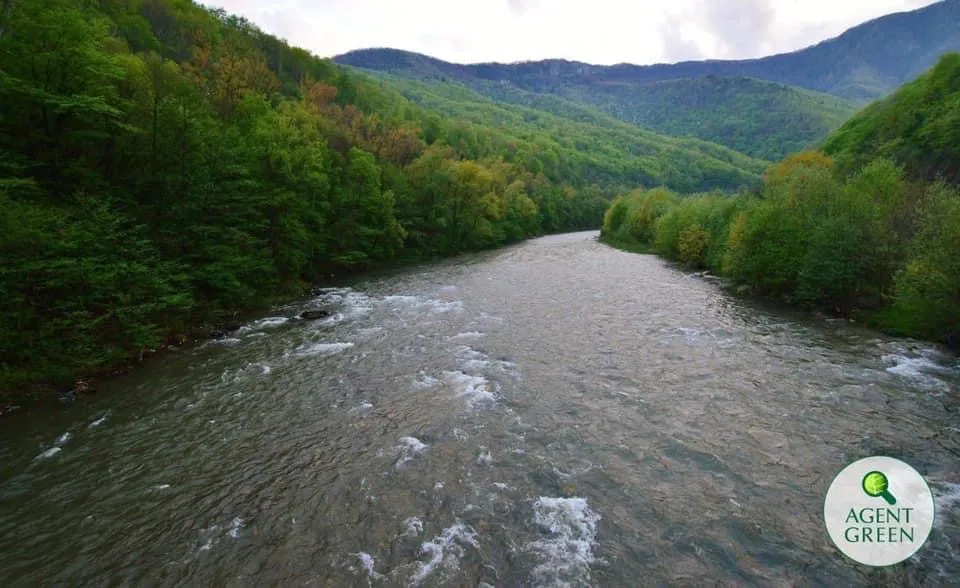
We ask you not to destroy Romania’s protected natural areas! Water in natural parks sustains flora and fauna, which in turn sustain human life. Without natural flows, without the “roar of the waters”, Carpathian valleys will turn from natural paradises with enormous ecotourism potential into desolate places. Hundreds of rivers in the Romanian Carpathians have already been destroyed by energy overexploitation, with the environmental impact of the hydropower industry completely ignored. What remains of our mountain river network must be saved; somewhere we must draw a line.
After hearing environmental organisations in the parliamentary inquiry committee investigating the causes of the substantial increases in natural gas and electricity prices, you identified changing protected-area boundaries and/or designating new protected areas as compensation as a solution for continuing the hydropower projects on the Jiu River, and not only those. We believe this decision could create a dangerous precedent for destroying natural areas protected at EU level.
“The idea of moving protected-area boundaries or abolishing them entirely came during the parliamentary debate from the president of the National Agency for Protected Areas himself. MP Zamfir immediately welcomed this solution, and the impression was that this is exactly what would happen. Such a thing cannot be legal, so we have already notified the European Commission to stop this illegal political populism that attacks the country’s natural heritage,” warned Gabriel Păun, president of Agent Green.
We appeal to your good faith not to endorse such an initiative against the environment. Abolishing the Defileu Jiului Natura 2000 site or other protected natural areas does not reduce the projects’ environmental impact. There is no legal possibility of ignoring the destruction of protected species and areas for minor energy capacities that could easily be replaced with other, less environmentally harmful ones.
We stress once again that we will never support energy projects with a significant environmental impact. Both the European Commission (PDF in Romanian) and civil society (PDF in Romanian) in Romania have produced guides for the sustainable development of hydropower projects, and these resources can be used for Romania’s future projects. We also remind you that Romania has been subject to infringement proceedings since 2015, INFR(2015)4036, over such diversion hydropower plants built in Natura 2000 sites, not only those cited in the formal notice but the systemic problem in general. Continuing construction of these projects by abolishing Natura 2000 sites will certainly send us to the Court of Justice of the European Union in a new case. Indeed, infringement proceedings are already open over the incomplete designation of Natura 2000 sites, concerning transposition of the Habitats Directive 92/43/EEC (NFR2020/2297), as well as failure to designate Special Areas of Conservation (INFR2020/2238).
We stand with you in identifying the best solutions for the sustainable development of the energy system with a low environmental impact, such as wind and photovoltaic systems, and in implementing real measures to reduce energy consumption through energy efficiency. We stress that sustainable development is impossible without respecting environmental legislation and avoiding protected areas. Under the EU biodiversity strategy for 2030, these will have to expand to 30% of Europe’s land and sea areas, with at least 10% under strict protection, including primary and old-growth forests. Protected areas currently cover 23% of Romania. The Natura 2000 sites hosting the two hydropower projects — Bumbești-Livezeni and Răstolița — are unique areas that cannot be compensated for anywhere in Romania.
Finally, we attach the analyses produced by, or with contributions from, the signatory environmental organisations on different types of energy production, containing both legislative and technical solutions and recommendations.
https://tranzitie-energetica.bankwatch.ro/wp-content/uploads/2021/11/Raport-digitalizare.pdf (PDF in Romanian)
https://tranzitie-energetica.bankwatch.ro/wp-content/uploads/2021/06/policy-brief-PNRR_Bankwatch_Declic.pdf (PDF in Romanian)
https://bankwatch.ro/wp-content/uploads/2021/08/Raport-Carbunele-in-Romania.pdf (PDF in Romanian)
https://www.enpg.ro/wp-content/uploads/2020/05/SIP-report-Final_SE3T.Net_May-2020.pdf (PDF in English)
https://bankwatch.ro/politici-sisteme-de-incalzire-regenerabile/
https://bankwatch.ro/wp-content/uploads/2021/03/Raport_Regenerabile.pdf (PDF in Romanian)
Signatory organisations,
Agent Green
Bankwatch România
Eco-civica
Related articles
Senate to vote Monday on bill changing protected areas. Environmental NGOs call for rejection of the anti-nature law
Constitutional Court opens Pandora’s box: national parks may be sacrificed for controversial hydropower projects