The asprete faces imminent extinction because of logging in protected areas
The asprete faces imminent extinction because of logging in protected areas
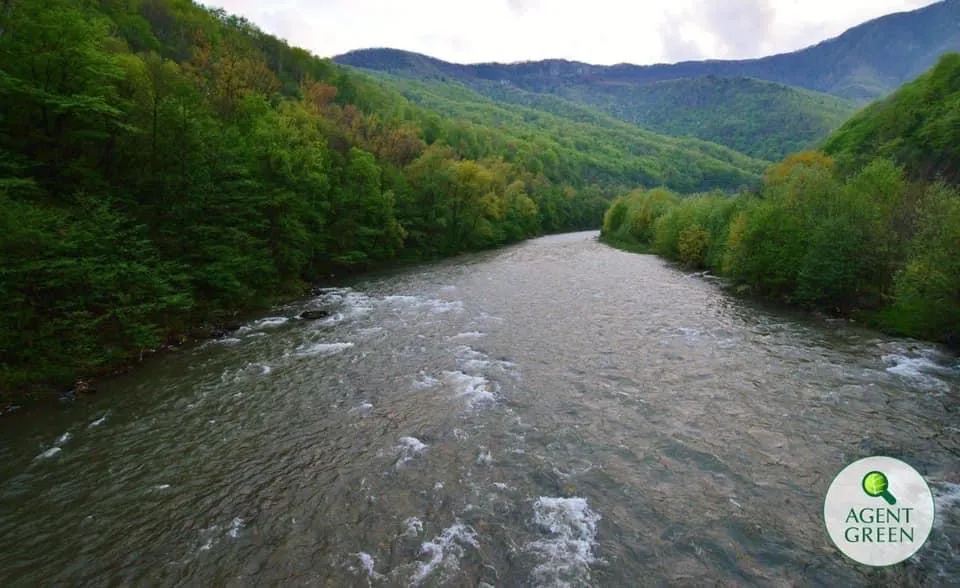
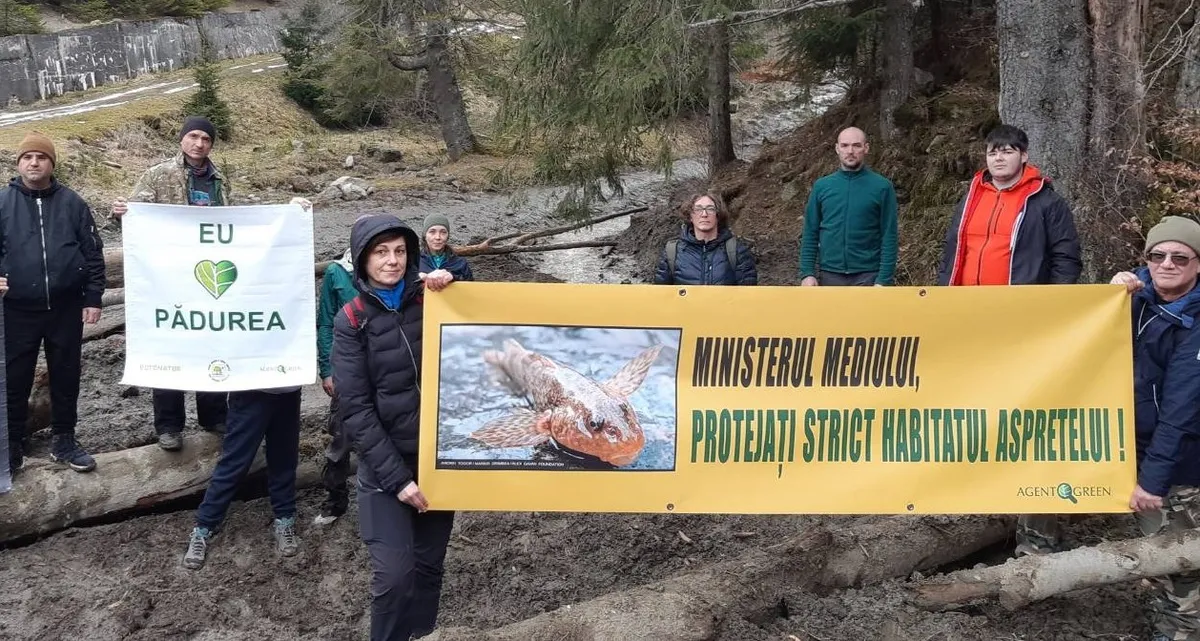
Agent Green protest in the Vâlsan Valley, home to the world’s last individuals of this species
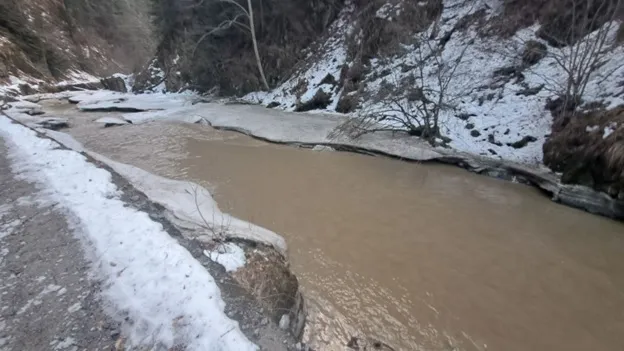
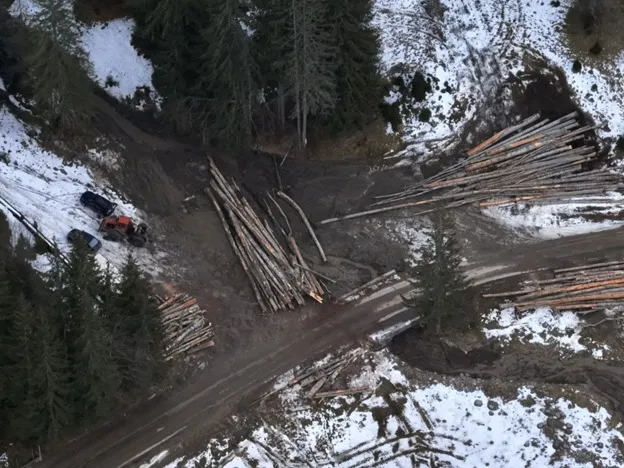
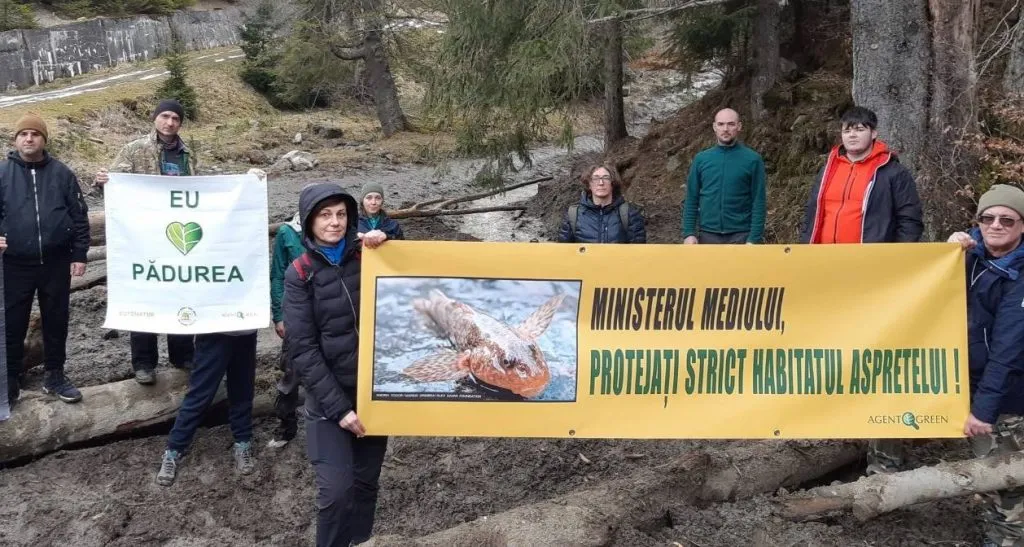
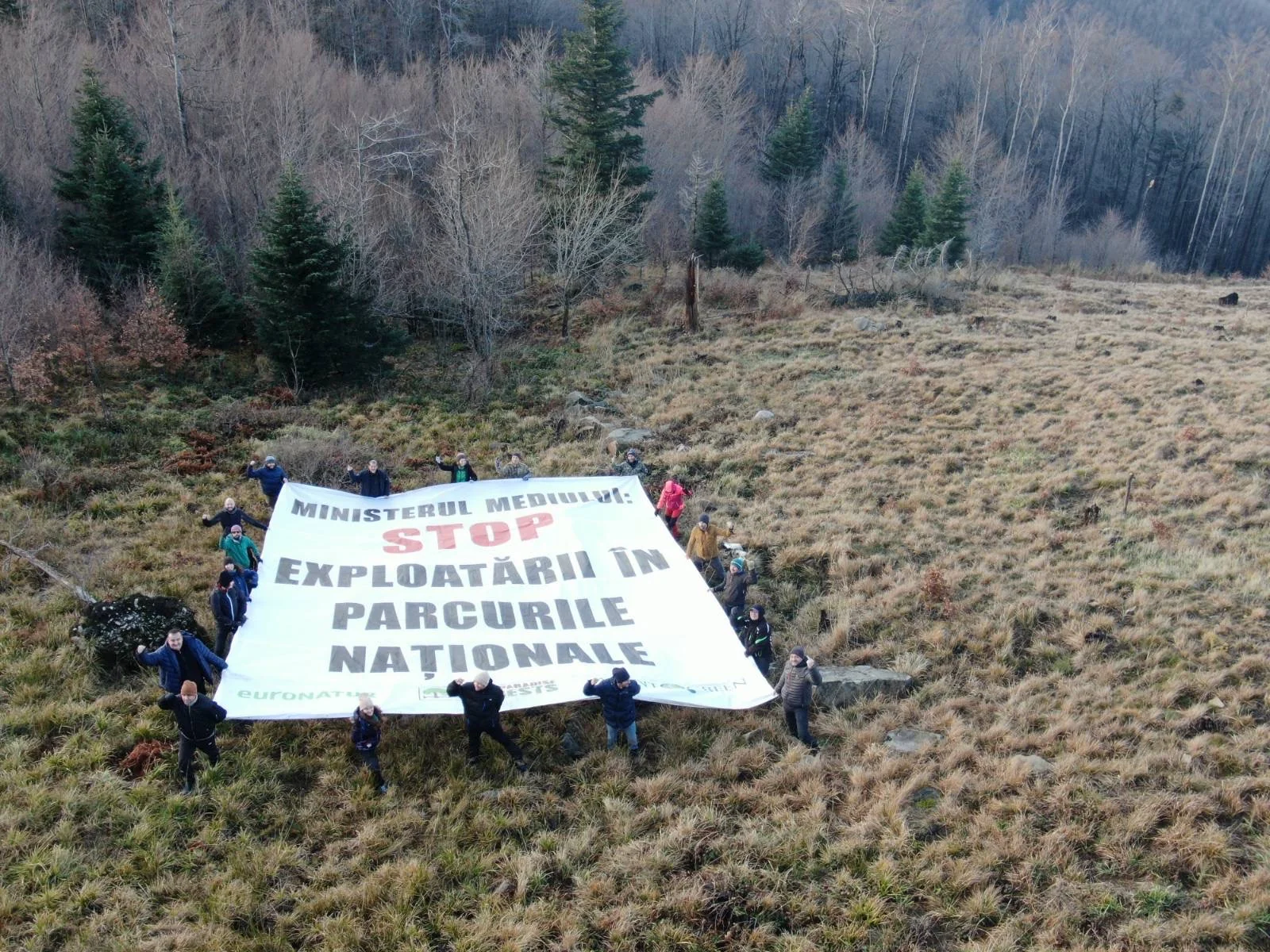
Vâlsan Valley, Făgăraș Mountains, 26 February 2023 – Fifteen Agent Green volunteers mobilised on Saturday to protest against logging in the Vâlsan Valley, which is causing massive pollution of the river where the world’s last asprete individuals live, a critically endangered fish species.
“The asprete is on the verge of disappearing, and this massive logging in the old-growth forests covering the slopes of the Vâlsan River could mean extinction. Captive breeding experiments have failed. If it disappears from this river, that will be final,” warns biologist Gabriel Păun, president of Agent Green.
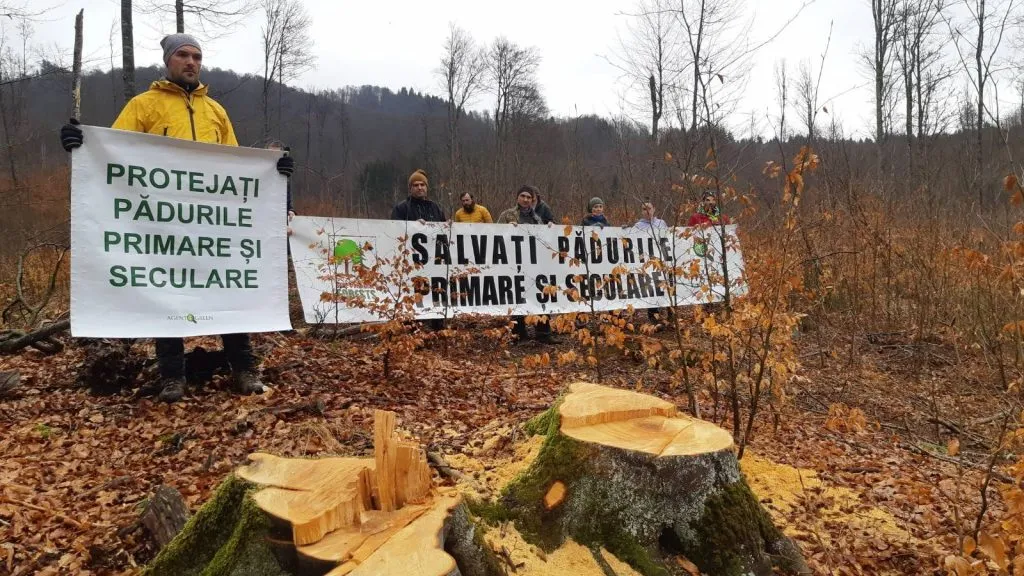
The protesters displayed two banners with messages to the environment ministry: “Strictly protect the asprete’s habitat” and “Protect primary and old-growth forests”. The protest followed the extremely weak response of all the authorities notified on Wednesday, 22 February: the environment ministry, Apele Române, the Forest Guard, the Environmental Guard and the National Agency for Protected Natural Areas. Only the Environmental Guard checked the reported issues on Thursday, 23 February, without stopping the logging.
“The impact of logging on species living in the relevant catchment is greatly underestimated. For example, in the Moneasa area, logging was approved after the 2017 storm to clear broken trees. The logging resulted in the complete disappearance of the largest population of Bihor crayfish (Austropotamobius bihariensis) in the Crișul Alb catchment. In areas inhabited by such endangered species, no human interventions of any kind should be approved, regardless of the situation. Nature must be allowed to take its course. Strict protection is required,” Păun emphasises.
Logging is taking place in primary and old-growth forests in the Muntentia forest district, whose dissolution the environment ministry has already requested because of multiple illegalities. The operation includes the removal of monumental trees totalling 2177 cubic metres, so this is massive logging. Yet the Făgăraș Mountains area is the subject of European Commission infringement proceedings against the Environment Ministry precisely because of abusive logging in Natura 2000 protected areas.
The asprete (Romanichthys valsanicola) survived the last Cretaceous extinction, when the dinosaurs disappeared. It could subsequently be identified only in the Valea Vâlsanului Nature Reserve in the Munții Făgăraș Natura 2000 site. But the last 58 asprete individuals (Romanichthys valsanicola), a critically endangered species facing multiple threats, are now at imminent risk of extinction because of ongoing logging that has massively polluted the water at latitude 45°22’07.1″N and longitude 24°43’33.6″E.
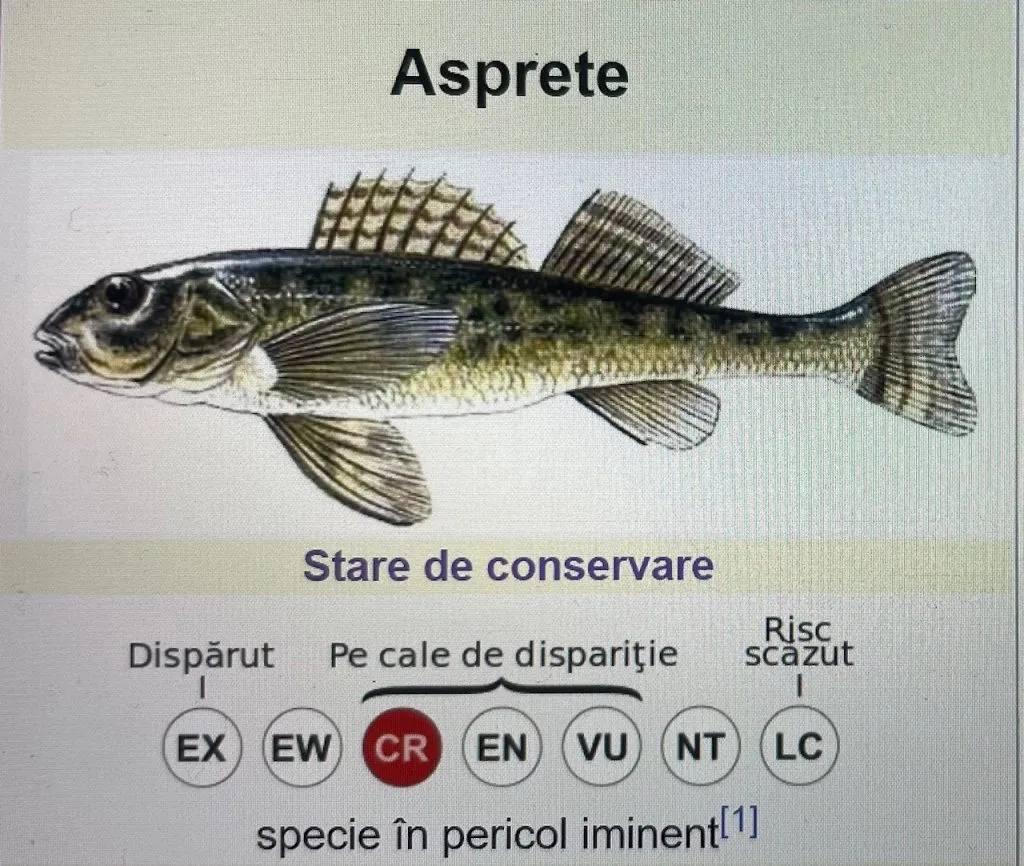
https://eunis.eea.europa.eu/species/10077
“Given the Romanian authorities’ anaemic response, we feel compelled to inform the European Commission. It is time for it to take the environment ministry to the European Court of Justice. Perhaps only the immediate establishment of strict protection in the Vâlsan Valley can still mitigate the consequences of the ministry’s vegetative state,” Păun concluded.
History
The asprete (Romanichthys valsanicola) is a freshwater fish, 10–12 cm long, of the perch family, inhabiting fast-flowing mountain waters with stony beds in Romania.
It was formerly widespread in the mountain reaches of the Argeș River and its tributaries, the Vâlsan and Râul Doamnei. Its range is now limited to a 1 km stretch of the upper Vâlsan upstream of Brădetu village, and it is in danger of disappearing. It is endemic to Romania’s waters. The asprete is a living fossil over 65 million years old, contemporary with the last dinosaurs. It is considered Europe’s rarest fish and, according to some estimates, even the world’s. It was discovered in August 1956 by Nicolae Stoica, a second-year student at the Faculty of Biology in Bucharest, and subsequently described by Margareta Dumitrescu, Petre Bănărescu and Nicolae Stoica.
In 1967, construction began on the Argeș River of Romania’s largest hydroelectric dam, Lake Vidraru, with disastrous consequences for the catchment’s natural environment. The Argeș’s course was changed several times, aquatic vegetation was removed and, above all, large quantities of sand and stones forming the asprete’s usual habitat were taken away, causing the fish’s permanent disappearance from the Argeș. A dam was also built on the Vâlsan in 1967, far upstream of the area inhabited by the asprete, lowering the water level. No asprete was identified among the fish subsequently caught.
It was concluded that the asprete had disappeared completely from both the Argeș and the Vâlsan. But it managed to survive in the Vâlsan upstream of Brădetu, with its presence reported around the early ’70s. Between 1977 and 1986, zoologist Gh. Stănescu made sustained efforts to protect the species and prevent stone extraction in the Vâlsan, managing to obtain protected-area status for the Vâlsan Valley following a decision by the Argeș County prefecture.
The upper Vâlsan catchment’s environment was affected when a mine-waste heap on the bank collapsed into the water, degrading water quality and negatively affecting all aquatic fauna. In 1988, Professor Bănărescu observed a profound change in the Vâlsan’s appearance: its riverbed, usually covered in stones, boulders and sand, was entirely coated with a layer of mud.
Engineer A. Georgescu, president of the non-governmental organisation Oamenii și Mediul Înconjurător in Ploiești, became involved in saving the asprete from extinction in 1989. He organised a series of actions during which 4 adults were caught and taken to an aquarium in Ploiești, where only two survived for several years, without reproducing. In 1992, A. Georgescu initiated a new expedition to the Vâlsan area, joined by German and French specialists. They caught 7 asprete upstream of Brădetu. One died immediately, and the remaining 6 were taken to the Institute for Nature Conservation and Ecology in Bonn, where they were placed in an aquarium with conditions similar to the Vâlsan’s, in the hope that they would reproduce. However, the asprete could not be bred in captivity.
After 1992, further research was conducted and more asprete were caught and released. In 2004–2005, Professor Nicolae Crăciun and Adrian Ionașcu studied the asprete’s movements in its natural habitat using telemetry. In 2022, 58 asprete were discovered in the Vâlsan River in the Făgăraș Mountains, Argeș County.
Press contact:
Cătălina Rădulescu, Agent Green lawyer, catalina@agentgreen.org, 0745138165
Related articles
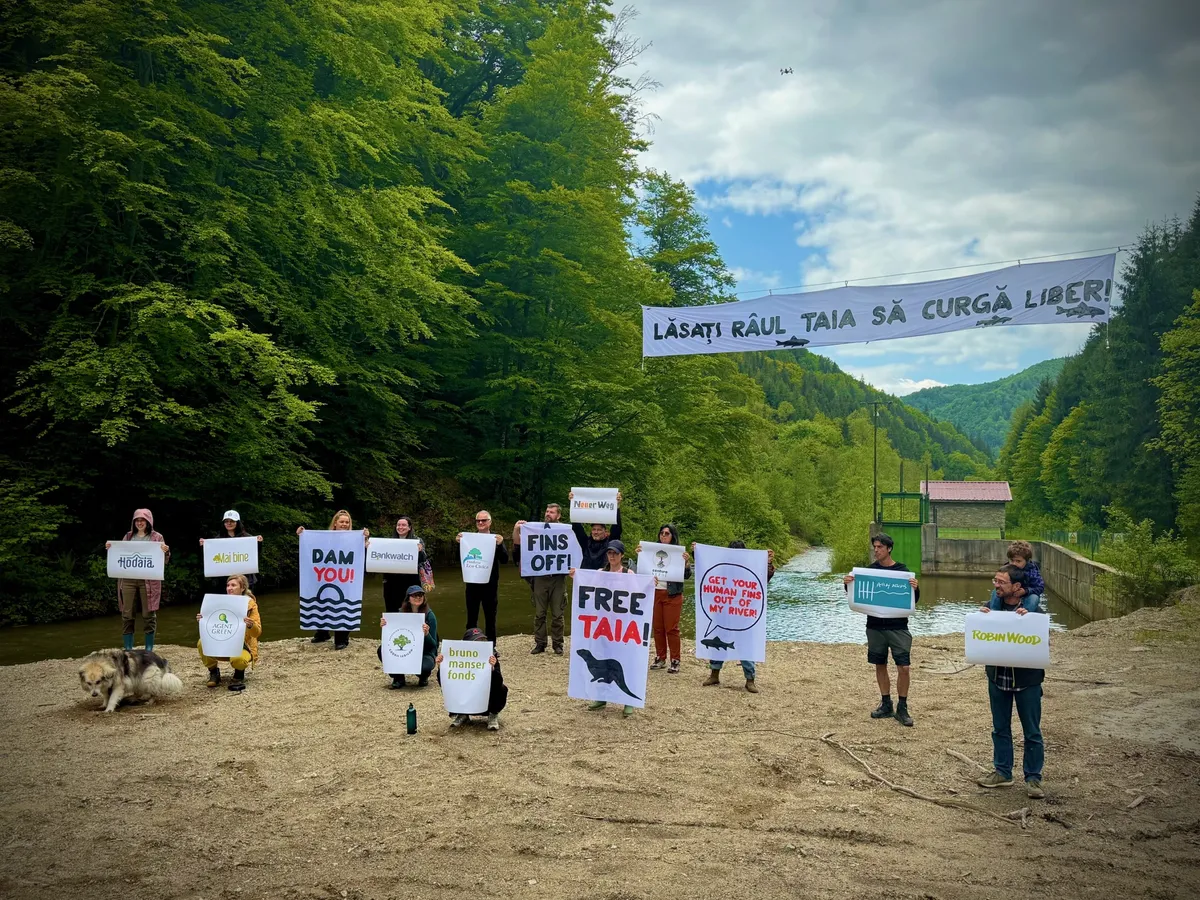
PROTEST to demolish the illegal hydropower plant on the Taia River
Agent Green reports to the European Commission the sacrifice of Semenic for a ski resort with an unverified climate future