Agent Green’s opinion on the wave of floods affecting Romania this month
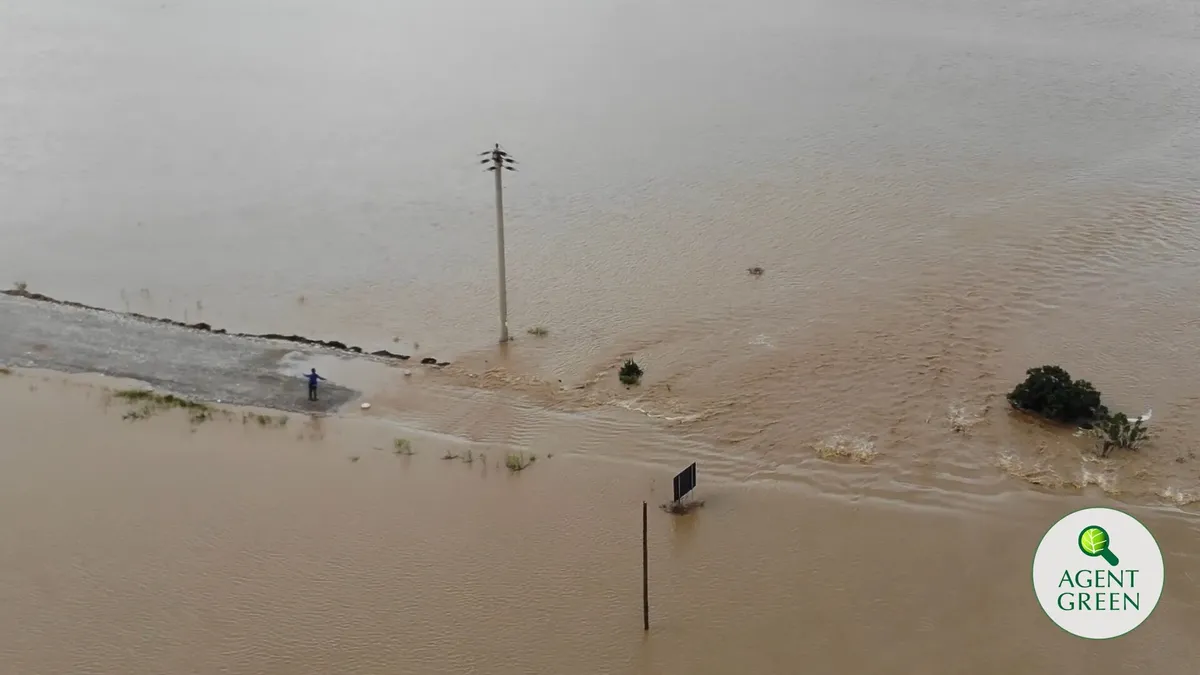
Record rainfall, climate change and aggressive logging are the main reasons our country is being severely tested these days, and the situation is not set to improve, considering the following:
There is currently a major discrepancy between the proportion of the country covered by forests (29%) and the optimum afforestation percentage (40%). Efforts to afforest the country to increase the forest estate are now at their lowest level in post-war history. But to reach the optimum 40%, Romania must increase its forested area from 6,929,047 hectares (the area currently forested) to 9,540,000 hectares: 2,610,953 hectares of new forests must therefore be planted. Considering the average of 157.5 hectares of new forests established in the last 2 years for which official data exist (2017-2018), the optimum afforestation percentage of 40% will be reached in the year 18597, that is, in 16577 years.
The volume of work to manage torrential catchments has reached its lowest level in the last 80 years. We are not referring here to torrent control through structural changes and changes to the functions of the natural environment, and the fragmentation of aquatic habitats by pouring concrete, but to creating areas for outflow, calming and stabilising flows, including forested areas that can periodically become marshes. Moreover, most springs in the Romanian Plain have disappeared following forest clearance over time, while those remaining have reduced flows and an unstable regime.
Despite the increasing effects of climate change and the insistence of certain entities, efforts to expand forest shelterbelts to protect agricultural crops, transport routes and human settlements are practically insignificant.
Official firewood production from the national forest estate was estimated by INS at approximately 5,163,000 m³/year. But actual total national firewood consumption (including biomass) is estimated at approximately 22,783,000 m³.
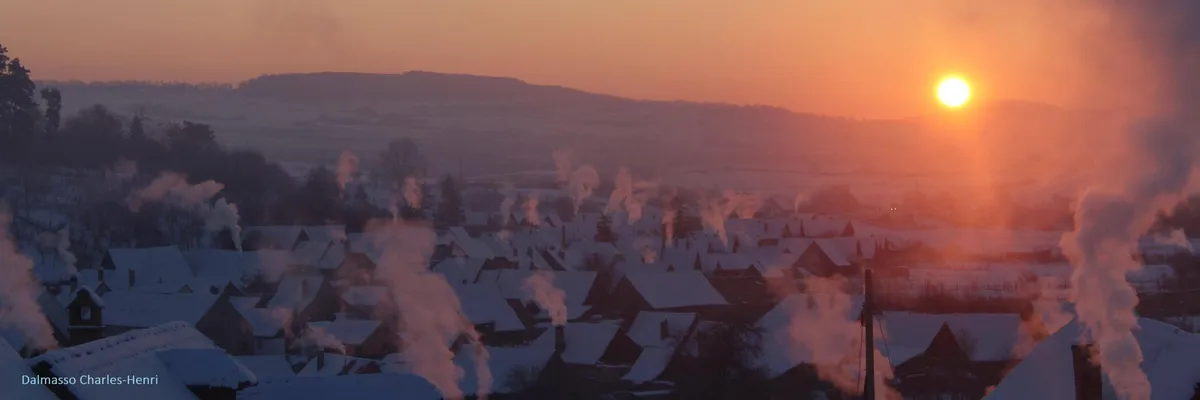
The very large quantity of wood intended as firewood, its burning in installations with very low energy efficiency, without pollution-reduction filters and used mainly by the population in our country, has a series of negative ecological, economic and social consequences:
- It runs counter to measures to combat climate change by reducing greenhouse gas emissions through the use of wood in durable goods.
- A source of forest degradation through illegal logging driven by demand for firewood exceeding the firewood harvest marketed by forest-estate managers and owners, namely small-sized, low-quality wood. This has direct consequences for all ecosystem services provided by the forest.
- A source of environmental pollution because of the low efficiency with which the stoves widely used by the population convert firewood into heat, and the pollutants emitted into the atmosphere, with consequences including for public health.
- It affects the quantity of wood put to higher-value use by the wood industry (high-added-value products with a long service life).
As a result of excessive logging in recent decades, most forests are under 80 years old (that is, below felling age). There is a major shortage of forested areas in lowland and hill regions. Consequently, citizens’ quality of life and forests’ potential to counter climate, hydrological and geomorphological hazards have declined significantly, and biodiversity has been affected. Every year, 20755 citizens residing in Romania die because of pollution, including 15126 because of air pollution.
Romania’s forests are in decline and forestry is regressing. Current forest administration and research are underperforming and deeply distorted by political interference. Illegal logging is out of control, while the authorities detect only 1% of it. More wood is burned each year than is legally felled, and high-capacity factories for non-intensive wood processing have been built, placing unprecedented stress on forests. Illegal logging has not even been slowed, despite the efforts of some state institutions and public pressure. There is no dedicated environmental justice, and current legislation does not penalise those who draw up forest management plans when they wrongly assign forests to inappropriate functional categories, resulting in their degradation or impairment.
Over the last 2 decades, the area of forests receiving tending work has shrunk rapidly, while the area subject to aggressive felling (clear-cutting and progressive felling) and regenerated incompletely or with species unsuitable for the natural forest types has increased. Poor management of Romania’s forests is also reflected in the very high share of sanitary and salvage felling, used to remove the effects of various damaging factors. This demonstrates that tending and stand-management cuts and regeneration cuts, which are systematic, preventive and intended to strengthen stands, are not carried out correctly or at all. They therefore have to be replaced by special, ad hoc cuts, also used to cut high-quality timber once the timber quota approved for the year has been exhausted, under the guise of wood severely affected by damage. Approximately 2 million m3 are harvested annually through sanitary and salvage felling.
Next week, Agent Green will submit to Romania’s president, Mr Klaus Iohannis, and to the Romanian Government, through Prime Minister Ludovic Orban, its strategy for Romania’s forests, which includes an in-depth analysis of the current situation.