The 1999 “Băsescu road” returns in 2026 through the Domogled plan: DN 66A is set to be taken out of the Ciucevele Cernei UNESCO component
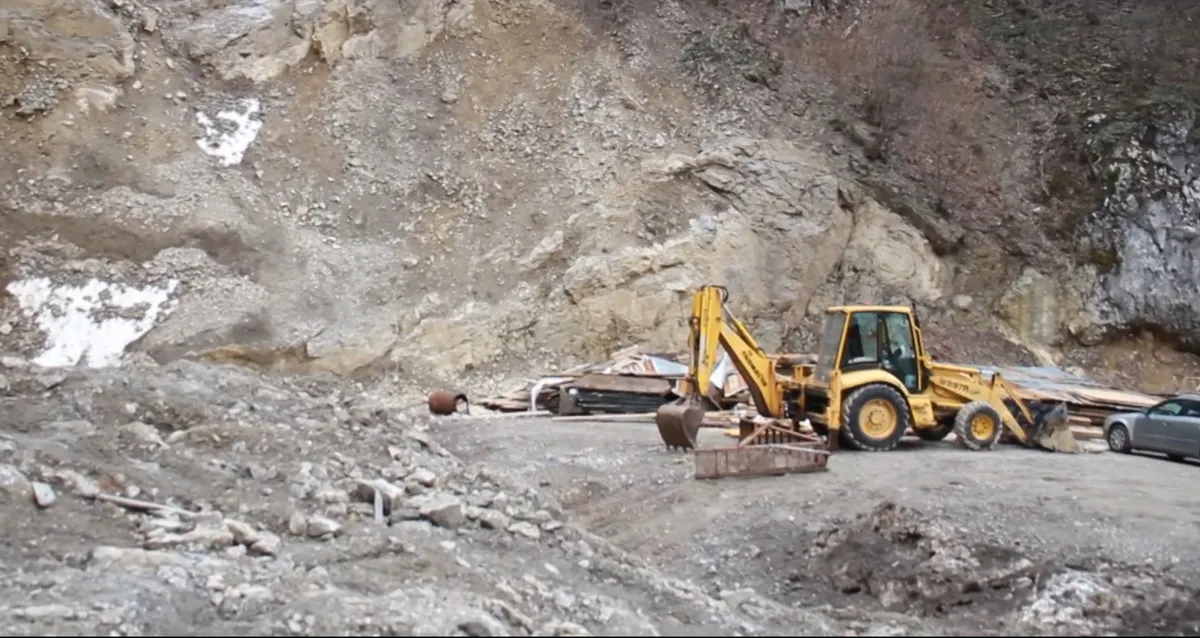
Bucharest, 18 November 2026 — Agent Green, Altitudine and Greenpeace call on the Ministry of Environment to temporarily withdraw and redo the draft management plan for Domogled–Valea Cernei National Park. The document prepares the return of the DN66A project, known as the “Băsescu road”, by taking the road corridor out of the Ciucevele Cernei UNESCO component, which would be deforested, dynamited and paved. The plan itself acknowledges that the road fragments the UNESCO core and the protected beech forests, but then proposes moving the protection boundary out of its way.
DN66A is, in reality, a forest road that follows the Cerna Valley, crosses the Jiu–Cerna Pass and descends into the valley of the Jiul de Vest, improperly raised on paper to the rank of national road in 1999 by Traian Băsescu, then minister of transport, although the section remained under the administration of Romsilva, not CNAIR; this misleading label on maps makes drivers force their cars along an impassable forest route, which must not be turned into a paved road but kept as it is.
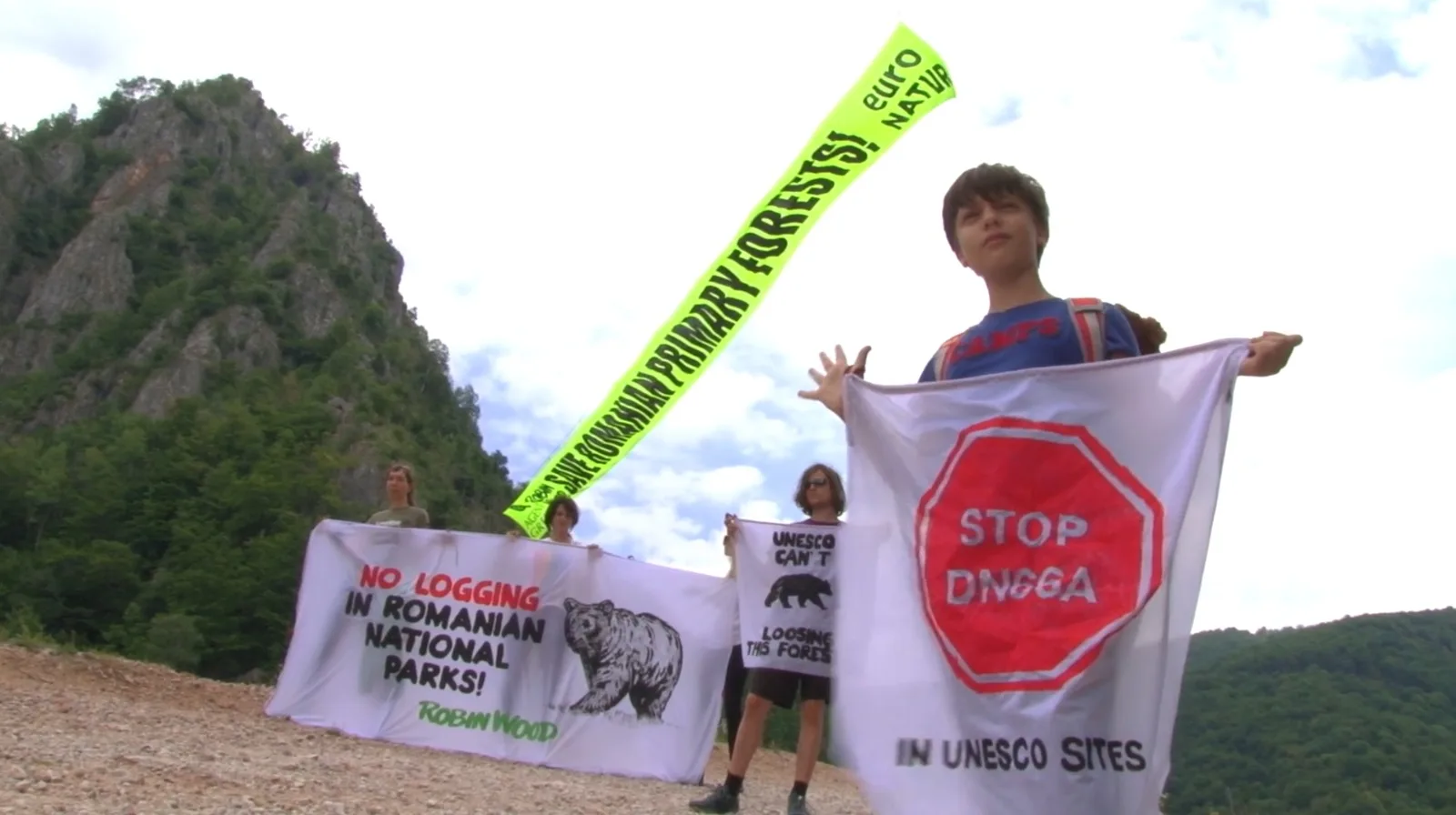
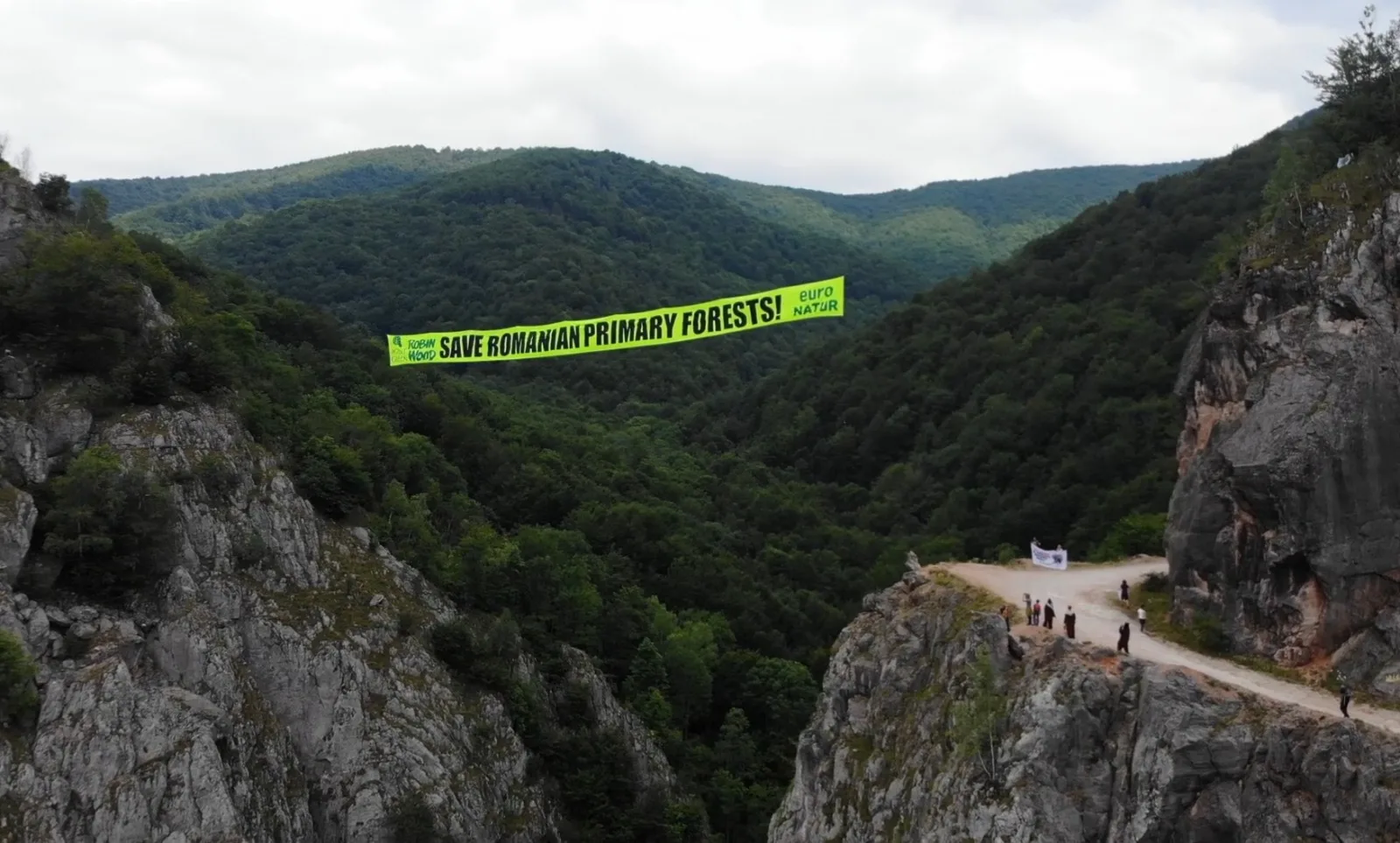
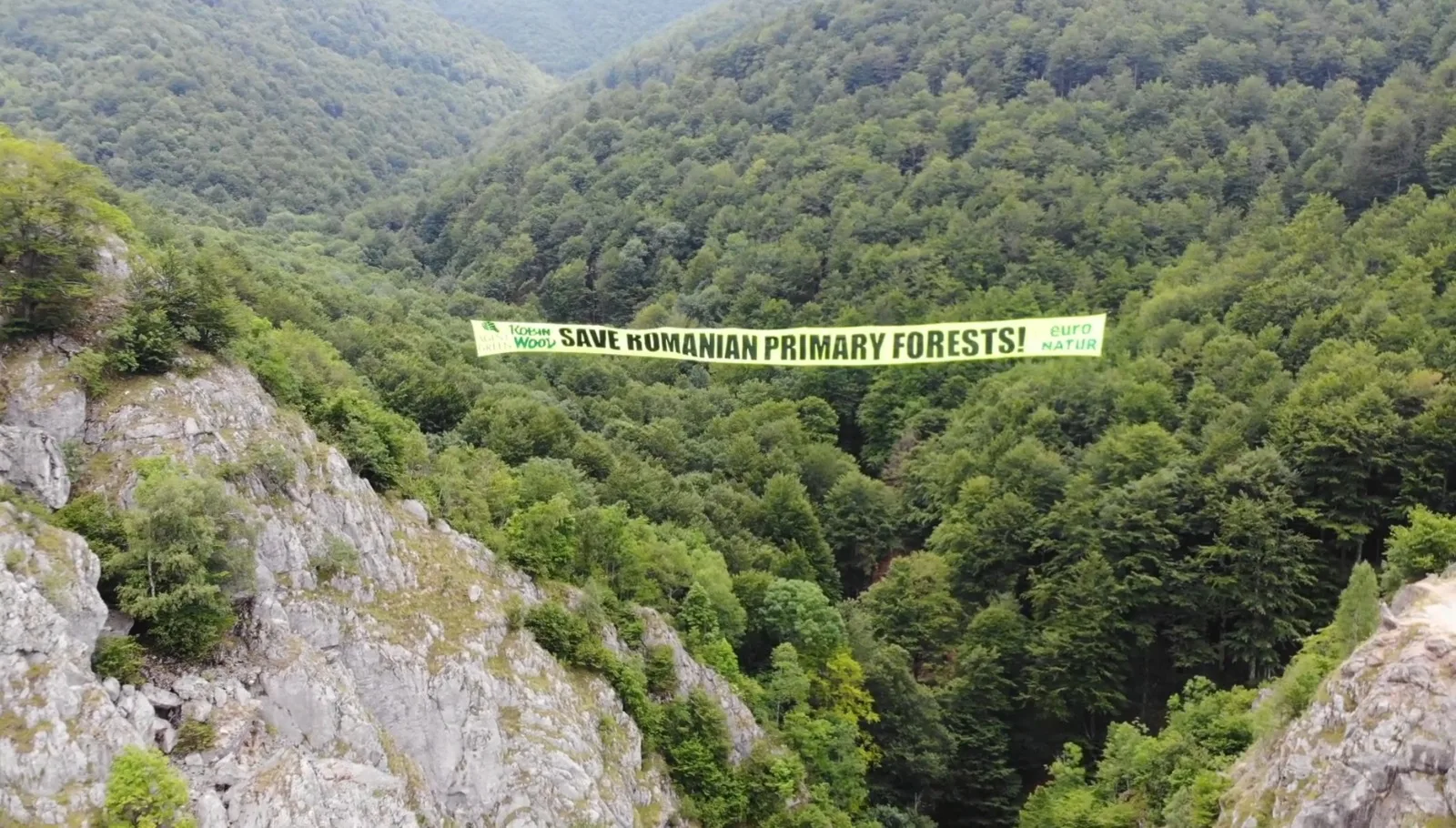
In an almost premonitory coincidence, two days before the Ministry published the draft, Agent Green had launched the first DJ Set with Purpose, filmed at Stânca Roșie itself and in the landscape threatened by DN66A: an opportunity for journalists and the public to see with their own eyes what exists today and what we would lose if the rock were dynamited and the road built.
Measure MM 1.7.1 allocates 100,000 lei for the exclusion documentation and for an impact study. The order is reversed: the political solution is written into the plan first, and the study that should establish whether it is acceptable comes afterwards. UNESCO asked Romania, in 2021, 2023 and again in 2025, to abandon the upgrading of DN66A within or near the property and to look for alternatives. It never asked for the road to be taken out of Ciucevele Cernei.
Science was called on to underpin the plan, not to decorate its conclusions
The baseline studies carried out for the plan were supposed to drive the zoning. The version put out for consultation, however, does not consistently transpose the available data, does not publish the GIS databases needed for verification, and treats observations collected in a single year as a sufficient picture of an ecosystem that functions on the scale of centuries. The maps of some species mainly show the places where they were observed, not the distribution of their habitats.
The GIS analysis carried out by the environmental organisations’ specialists shows that 9,409 ha of forests proposed for non-intervention remain in zones where logging can be authorised. Among them are old-growth beech forests 100–170 years old. The draft reaches only 73.61% strict and integral protection, even below the 2023 version and below the minimum threshold of 75% that the 2021–2024 Government Programme promised to reach by 2024. It also contradicts the direction of the EU Biodiversity Strategy for 2030, which calls for the strict protection of all primary and old-growth forests.
Traditional communities or future holiday districts
At Prisăcina, the existing built-up area covers 8.7 ha, but the sustainable development zone proposed around the hamlet reaches 148.3 ha — 17 times more — and another 63 ha are placed in the same category without any built-up area at all. The regulations also provide that the footprint of any existing building automatically becomes a sustainable development zone. Instead of protecting the traditional communities that already exist, the mechanism can create new built-up clusters and, later, exactly the political argument that a new road is indispensable for “local communities” that appeared after the park was declared.
“This plan responds better to the needs of a road than to the needs of a national park. It acknowledges that DN66A fragments the UNESCO core, moves the UNESCO boundary out of the road’s way and only then commissions the study. This is not a scientific decision, but a political conclusion in search of a justification. And if we first enlarge the development zones, build, and then invoke the new houses as ‘isolated communities’, we have turned nature conservation into urban planning with biodiversity relegated to the footnotes,” said Gabriel Păun, president of Agent Green.
The history of DN66A shows why the plan opens Pandora’s box
On the Câmpu lui Neag–Câmpușel section, works on DN66A were carried out in the past without the mandatory approvals, affecting about 3 km of Retezat National Park before the authorities stopped the construction site. The new plan risks repeating the recipe in Domogled: first a fait accompli or administrative pressure is created, then protection is redrawn around it. A national park cannot be managed on the principle of “we build and see afterwards what is left to protect”.
The need for DN66A is artificial: Petroșani and Băile Herculane are already linked by two existing national routes — to the north, via Hațeg and Caransebeș, and to the south, via Târgu Jiu, the Tismana–Padeș area, Baia de Aramă and DN67D — and there are no isolated communities in Domogled–Valea Cernei National Park that would justify its destruction; the state should first repair these routes, especially the appalling road through Baia de Aramă, not dynamite a national park to invent a third route.
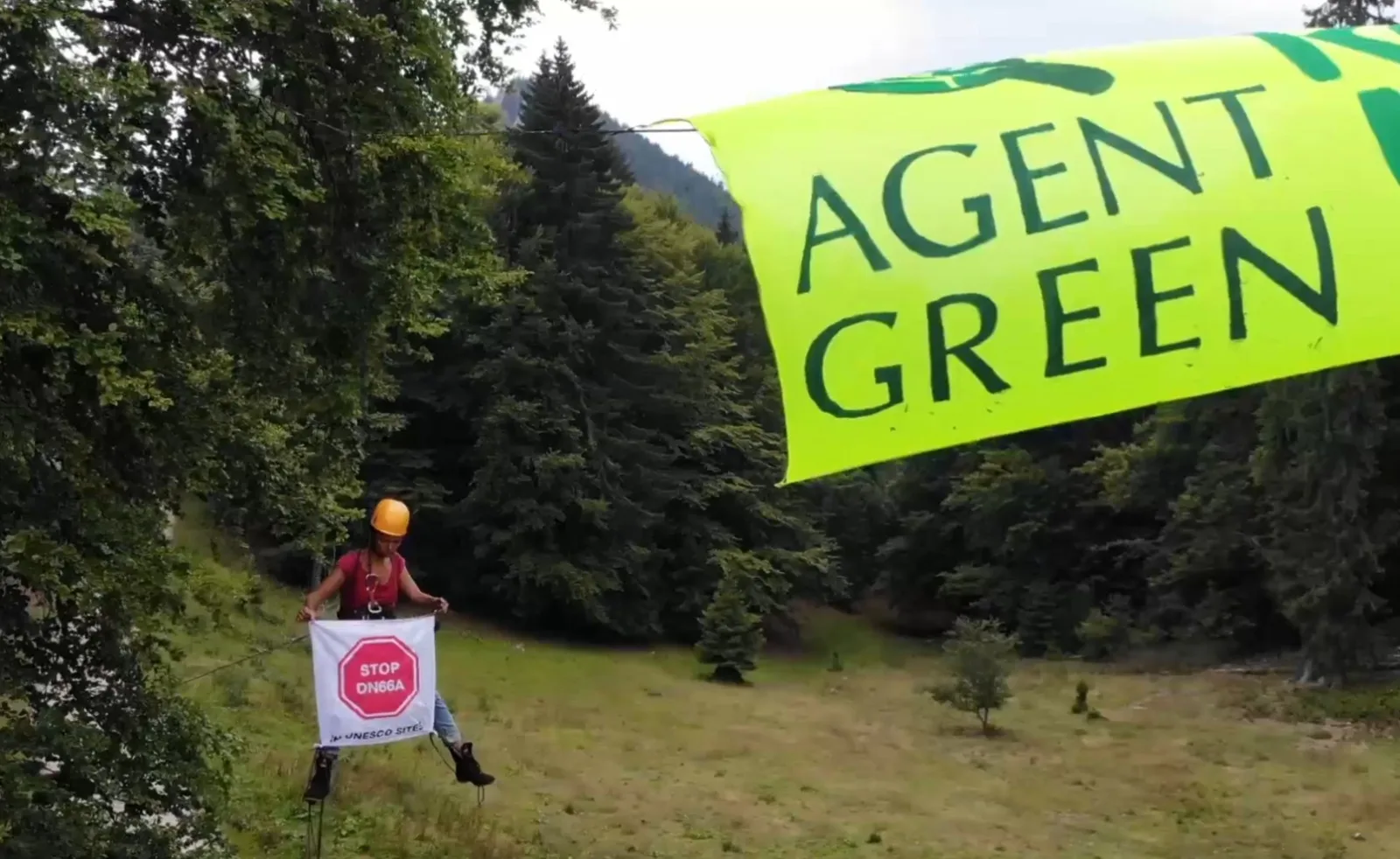
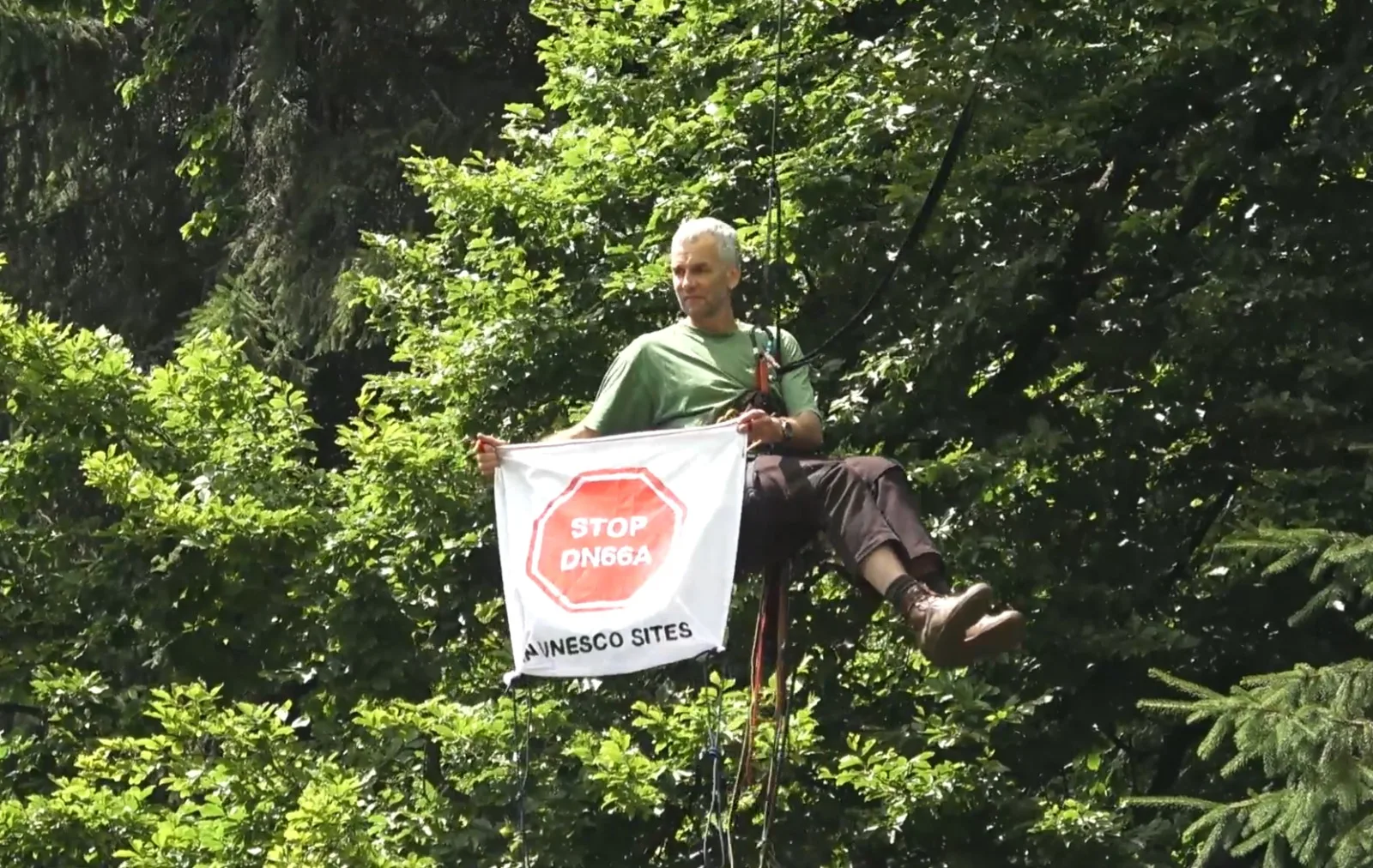
Agent Green, Altitudine and Greenpeace call for the minimum threshold of 75% non-intervention to be genuinely reached, for the old-growth forests and the 9,409 ha to be included in strict or integral protection, for the measures that reduce the UNESCO components to be removed, for the development zones to be restricted to the existing built-up areas and buildings, and for an appropriate assessment of the plan and an assessment of its impact on World Heritage. They call for the GIS files to be published, for a minimum of 30 real days of consultation and for the public debate promised in writing by the ministry.
Domogled–Valea Cernei is a national park, a Natura 2000 site and part of the UNESCO World Heritage. Its first obligation is the conservation of biodiversity. Roads, investments and development can be planned elsewhere; a forest landscape of such unique value in Europe, once fragmented, cannot be moved to an alternative route.
Related articles
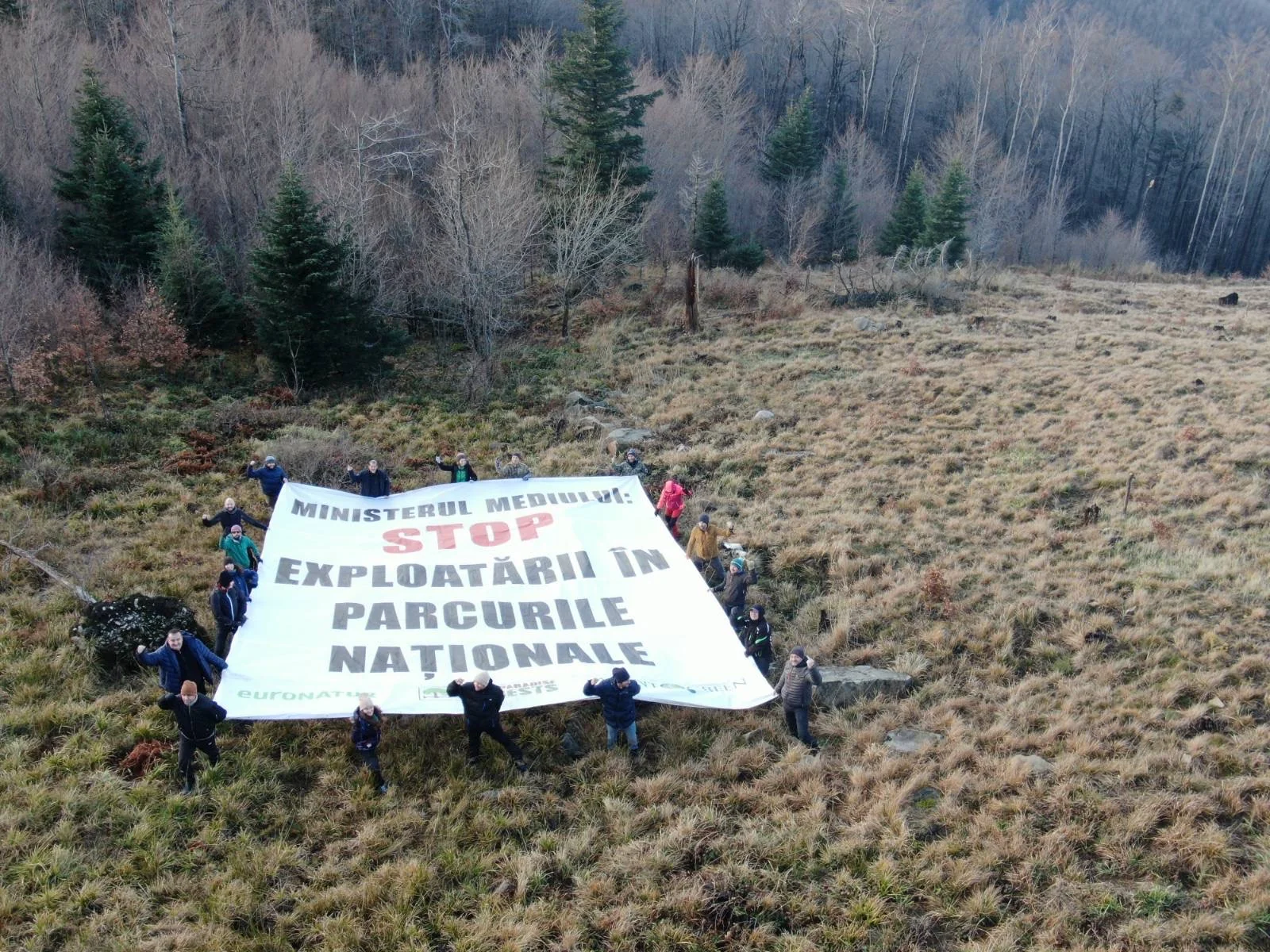
Agent Green reports to the European Commission the sacrifice of Semenic for a ski resort with an unverified climate future
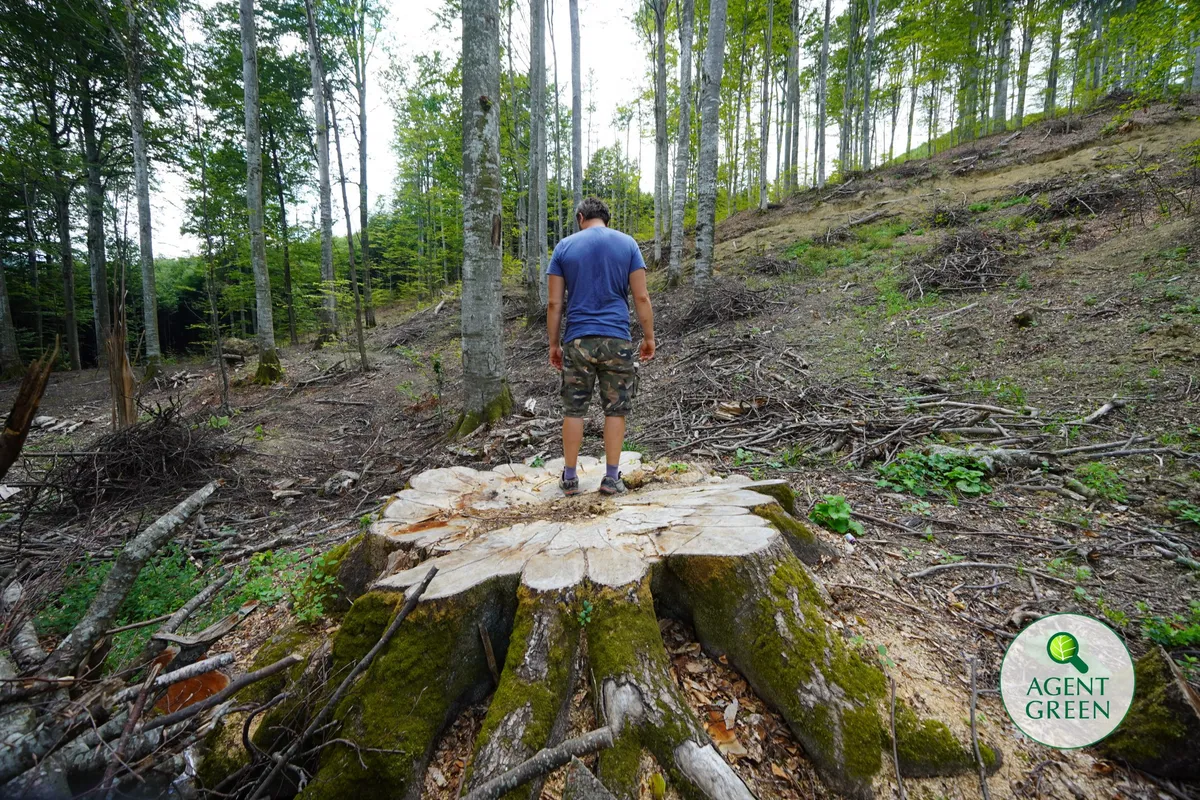
Romania’s old-growth forests destroyed as a priority during the European Commission’s investigation