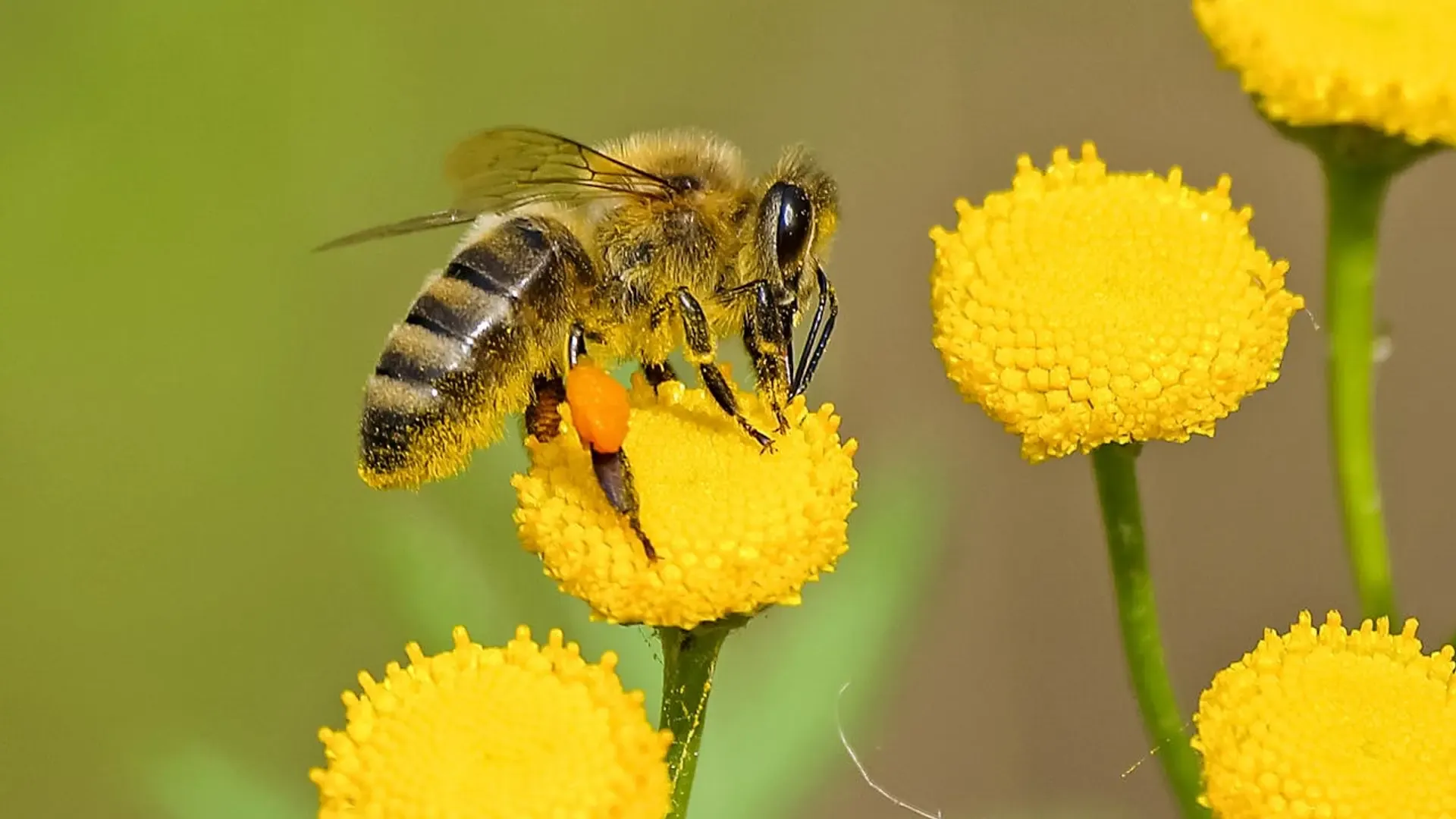
Pollinators are in danger
✗ 75% of global food crops depend on animal pollination (FAO/IPBES)
✗ 1 in 10 wild bee species is threatened with extinction in Europe (IUCN Red List)
✗ More than 900 wild bee species live in Romania, many insufficiently studied
✗ A decline of more than 25% in Europe’s wild bee populations since the 1990s
Agent Green joined the European Citizens’ Initiative “Save Bees and Farmers!” — an unprecedented civic mobilisation for European agriculture that protects pollinators, citizens’ health and farmers’ future. The campaign specifically targeted neonicotinoid pesticides, a class of neurotoxic insecticides scientifically shown to be lethal to bees even at sub-lethal doses.
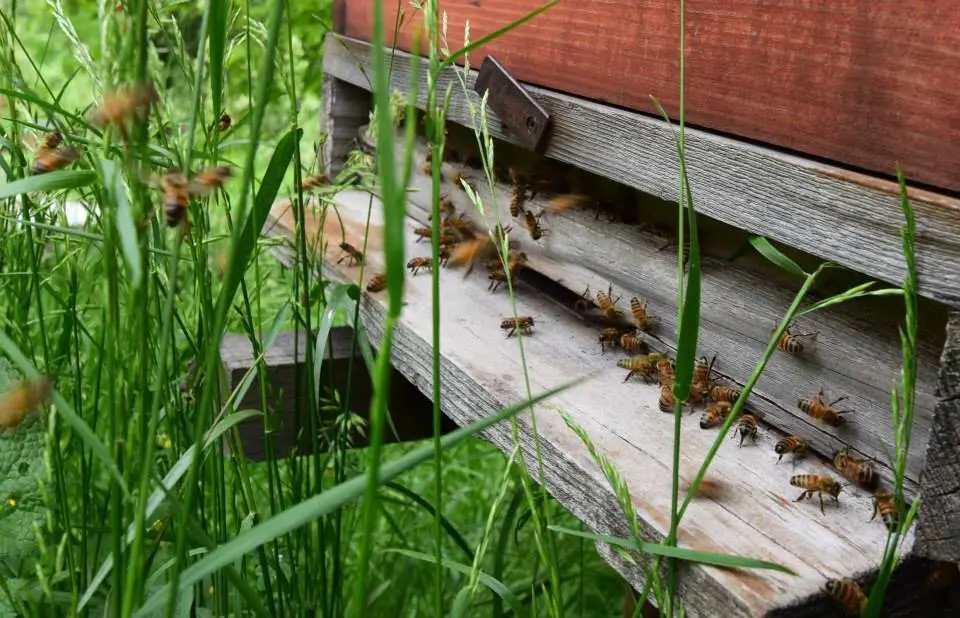
What are neonicotinoids?
Neonicotinoids are systemic insecticides that coat seeds and spread throughout the plant — from roots to pollen and nectar. They attack insects’ central nervous system by blocking nicotinic acetylcholine receptors.
Even sub-lethal doses affect bees’ navigation, memory, reproduction and immune system , making them vulnerable to disease and parasites.
The three substances banned by the EU in 2018:
- • Imidacloprid (Bayer)
- • Clothianidin (Bayer)
- • Thiamethoxam (Syngenta)
Source: EFSA (European Food Safety Authority) risk assessments, 2013 and 2018
Annual global value of pollination
IPBES, 2016
of food crops depend on pollinators
FAO / IPBES
The European Citizens’ Initiative
The “Save Bees and Farmers!” initiative asked the European Commission to support an agricultural model that allows farms and biodiversity to coexist in harmony. Its three central aims:
1
Phase out synthetic pesticides
Reduce synthetic pesticides in EU agriculture by 80% by 2030, starting with the most hazardous. Complete phase-out by 2035.
2
Restore natural ecosystems
Restore natural ecosystems in agricultural areas so that farming becomes a driver of biodiversity recovery.
3
Reform agriculture
Prioritise small-scale, diverse and sustainable farming. Support agroecological practices, vocational training for farmers and independent research into pesticide-free and GMO-free agriculture.
Timeline of the neonicotinoid ban
● 2008 — Italy suspends the use of neonicotinoids following mass bee deaths
● 2012 — EFSA identifies “high acute risks” to bees from neonicotinoids
● 2013 — the EU imposes a partial ban: restricting outdoor use on crops attractive to bees
● April 2018 — the EU votes for a complete ban on outdoor use of imidacloprid, clothianidin and thiamethoxam
● December 2018 — France completely bans all 5 neonicotinoids
● 2020 — the EU’s “Farm to Fork” strategy sets a target of reducing pesticides by 50% by 2030
The victory and remaining challenges
✓ The EU’s 2018 ban is a landmark victory for pollinator protection
✓ Agent Green and partner organisations mobilised civic support in Romania
✓ Romania voted in favour of the ban at EU Council level
✗ Emergency exemptions allow the temporary use of neonicotinoids in some member states
✗ New-generation pesticides (sulfoxaflor, flupyradifurone) raise similar concerns
✗ Habitat loss, monocultures and climate change remain cumulative threats
Agent Green continues to monitor pesticide use in Romania, support organic farming and advocate implementation of the EU Pollinators Initiative. Although the battle over neonicotinoids was won, the fight for a safe environment for pollinators is far from over.