Skip to content
active

Plastic

All campaigns

Plastic: oil that never goes away

Plastic is not just a material. It is solid oil.

And it is one of the most persistent toxic traces humanity leaves on Earth.

Agent Green: against toxic plastic from day one

Agent Green began fighting plastic on the very day it was founded.

Agent Green: against toxic plastic from day one

3 March 2009 — Launch day

We publicly exposed “oxo-degradable” bags — falsely promoted as biodegradable and environmentally friendly.

We demonstrated that:

✗ They contain heavy metals

✗ They have carcinogenic and mutagenic potential

✗ They were a way to avoid the environmental tax on plastic

Without our intervention, they would have been officially accepted as a “green solution”. We acted immediately. And we won.

Plastic does NOT disappear

Plastic does not degrade like organic matter. It remains in nature for up to thousands of years. In the oceans, degradation can take centuries.

But most importantly: it never disappears completely — it only breaks down into ever smaller pieces: microplastics and nanoplastics.

Plastic remains on Earth even when we are gone.
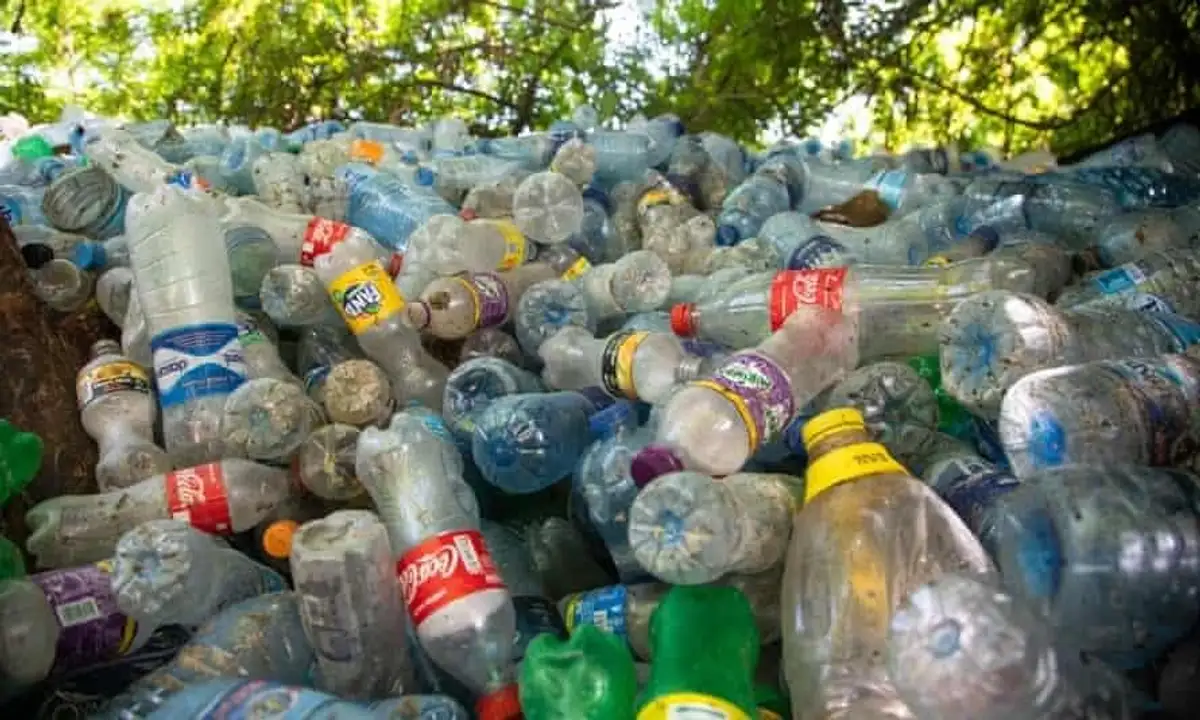
Plastic waste on a beach — packaging and containers choking the environment

The invisible problem: microplastics

As plastic breaks apart, it becomes invisible. But it does not disappear. Microplastics are already everywhere:

🌬️

Air

💧

Water

🌱

Soil

🍎

Food

🧴

Cosmetics

Worst of all: they enter the human body through breathing, food and simple contact, even with plastic textiles.

Plastic is already inside us

Research shows that plastic particles accumulate in the body, can cross biological barriers and reach organs.

Health effects

✗ Inflammation

✗ Hormonal disruption

✗ Impact on the gut microbiome

Microplastics are no longer just an environmental problem. They are a health problem that is choking us.

Plastic affects the entire living world

🌬️ Air

We inhale microplastics every day

💧 Water

Oceans and rivers contaminated, drinking water affected

🌱 Soil

Reduced fertility, agricultural contamination

🦎 Biodiversity

Animals ingest plastic, food chains are affected

Plastic is not just pollution. It is a systemic crisis.

Plastic and the climate

Plastic begins with oil.

98%

of plastic is made from fossil fuels

That means: oil extraction, CO₂ emissions, toxic burning. Plastic contributes directly to the climate crisis.

How long plastic will remain

Tens–hundreds

of years for plastic bags

Hundreds

of years for PET bottles

Thousands

of years for some plastics

But even after that time: it does not disappear, it becomes toxic microplastic.

More plastic than life?

Human-made materials (plastic, concrete, metal) have come to outweigh the total mass of all living things on Earth. Plastic is a major part of this mass.

Some estimates suggest that plastic already outweighs all mammals combined. The planet is changing fundamentally: more toxic artificial material than natural life.

The Deposit Return System: proof that solutions work

Agent Green supported the introduction of Romania’s Deposit Return System (SGR).

Billions

of containers collected each year

Hundreds of thousands

of tonnes of plastic recovered

Millions

of people actively participate

When the system works, people respond.

But recycling is not enough

✗ Less than 10% of plastic is recycled

✗ Production keeps growing

✗ Most is single-use

We cannot recycle our way out of an overproduction crisis.

What we must do

1 Reduce the production of plastic
2 Eliminate single-use plastic
3 Alternatives without oil
4 Hold industry accountable
5 Expand effective systems (such as SGR)

Get involved

Agent Green has fought plastic pollution for more than 15 years. Now is the time to go further:

✓ Reduce plastic at source

✓ Protect health

✓ Protect nature

The future is not made of plastic.

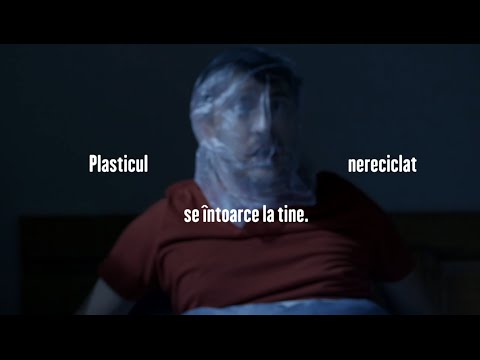
Video

Agent Green: against toxic plastic from day one

Agent Green: against toxic plastic from day one

Microplastics — a health problem

Microplastics — a health problem